
High Court
Delhi HC stays FSSAI ban on Dabur’s ‘100%’ food product claims
Court grants interim relief, saying Dabur should have received a hearing before the order


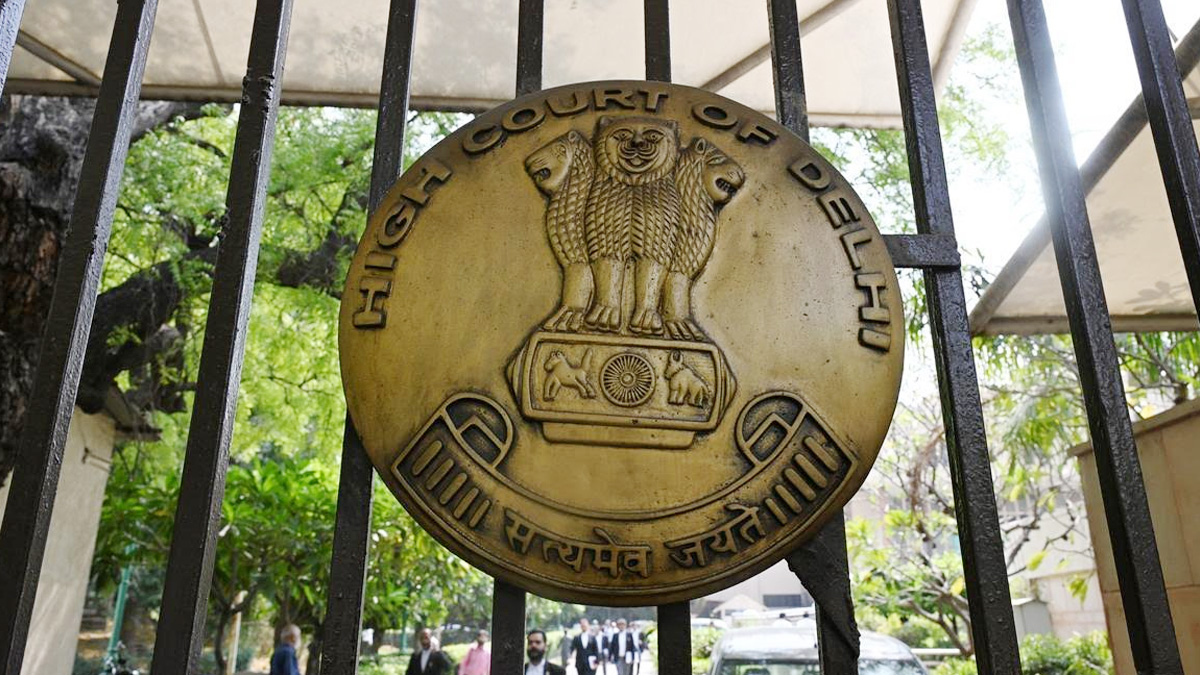
MUMBAI: Dabur’s ‘100%’ claim has found a temporary second wind. The Delhi High Court has stayed a Food Safety and Standards Authority of India (FSSAI) order that barred the company from selling several food products carrying claims such as ‘100% Natural’ and ‘100% Pure’.
Justice Amit Mahajan granted interim relief to Dabur, observing that the company had established a prima facie case. The court noted that Dabur had been selling the affected products for decades and questioned the decision to prohibit their sale without first giving the company an opportunity to be heard.
The court has stayed the operation of the FSSAI order until the next hearing and listed the matter for further proceedings after two weeks.
The dispute centres on Dabur’s use of ‘100%’ claims across a range of food products, including honey, apple cider vinegar, virgin coconut oil, sesame oil, cow ghee, coconut water and coconut milk.
Dabur’s senior counsel argued that the FSSAI action breached the principles of natural justice because the company had not been issued a show cause notice or given a hearing before the prohibitory order was passed.
The Centre, defending the regulator’s position, told the court that Dabur had previously received improvement notices and advisories. It also argued that the company’s use of ‘100%’ claims on food products was misleading.
The court, however, declined to deny interim relief, pointing to the long history of the products in the market and questioning why Dabur should suddenly be prevented from selling them.
The FSSAI had earlier said that claims such as ‘100% Natural’, ‘100% Pure’, ‘100% Purity Guaranteed’ and ‘100% Organic’ violate the Food Safety and Standards (Advertising & Claims) Regulations, 2018.
According to the regulator, such claims are ambiguous, cannot be adequately verified and are likely to mislead consumers.
The High Court’s order does not settle whether the claims comply with the food advertising and labelling regulations. For now, it pauses the regulator’s prohibitory action while the court considers the matter further.
The case also comes as Dabur faces regulatory scrutiny on another front, with the company’s Silvassa manufacturing facility recently receiving a warning letter from the US Food and Drug Administration over data integrity and maintenance-related observations.






