High Court
Delhi HC asks stakeholders to find solution for accessible cinema
Court seeks joint discussions on audio descriptions, subtitles and sign language support


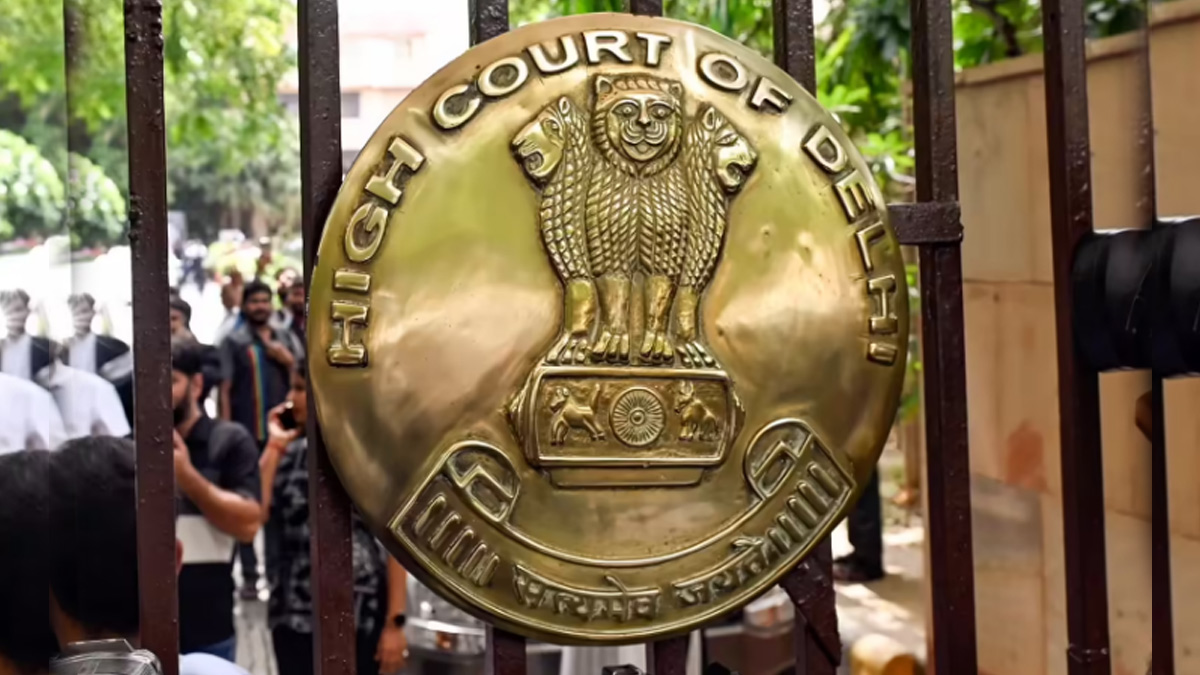
MUMBAI: The big screen could be getting a bigger welcome for everyone. The Delhi High Court has directed the Ministry of Information and Broadcasting (MIB), Central Board of Film Certification (CBFC), film producers and other stakeholders to work towards a practical framework for making films more accessible to persons with disabilities across cinemas and OTT platforms.
Justice Swarana Kanta Sharma issued the direction while hearing a petition filed by disability rights activist and advocate Rahul Bajaj, who is seeking wider accessibility measures for audiences with disabilities.
The court has asked the concerned parties to hold a joint meeting within a week and work towards a mutually acceptable solution within two weeks. The matter will next be heard on 11 September, when the court is expected to consider the outcome of these discussions.
The petition was originally filed in 2024 around the release of Pushpa 2, but Bajaj told the court that his concerns extend beyond any individual film. The broader issue, he argued, is whether cinema and streaming content are consistently accessible to people with disabilities.
The petition seeks features including audio descriptions, same-language subtitles, closed captioning and Indian Sign Language support, along with assistive technologies and accessibility infrastructure at cinemas.
Bajaj has also pointed to the gap between accessibility requirements and their implementation, arguing that many films continue to be screened without such features. He said accessibility is often limited to a small number of theatres and can depend on applications that may themselves not be fully accessible.
The petition refers to provisions of the Rights of Persons with Disabilities Act, 2016, which provide for improving access to electronic media through measures including audio description, captioning and sign language interpretation.
Rather than treating accessibility as a film-by-film issue, the court has called for consultation between government authorities, certification bodies, filmmakers and exhibitors to find a broader solution.
The discussions could therefore determine whether accessibility features become a more consistent part of the film-viewing experience across both theatres and OTT platforms, rather than remaining dependent on individual releases or venues.