
I&B Ministry
Centre allocates Rs 232.46 cr under DCDFC scheme to boost Indian cinema and festivals: MIB
Funds support festivals, filmmakers and film heritage to boost India’s global cinema reach


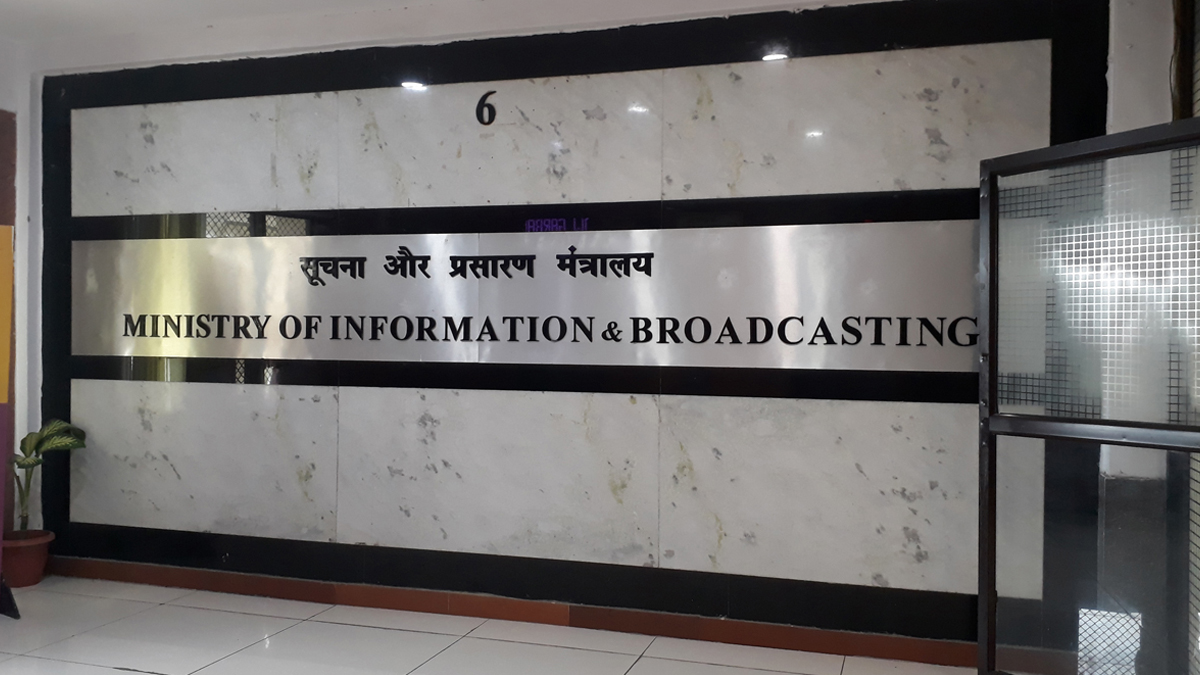
NEW DELHI: India’s efforts to take its cinema and creative talent to wider audiences are gaining pace through the Development, Communication and Dissemination of Filmic Content (DCDFC) Scheme, implemented by the National Film Development Corporation (NFDC).
The scheme, run by the Ministry of Information and Broadcasting, is designed to support the creation, promotion and global visibility of Indian film content. Through financial assistance, international collaborations and festival participation, it aims to give Indian filmmakers a bigger stage both at home and abroad.
Funding under the scheme has steadily supported a range of initiatives, from film festivals and workshops to preservation and digitisation of India’s cinematic heritage. It also offers incentives for international productions to shoot in India and encourages audio visual co productions with global partners.
Over the past few years, substantial funds have been allocated and utilised through NFDC. The government disbursed ₹84.50 crore in 2021–22, rising sharply to ₹348.12 crore in 2023–24. By February 2026, ₹232.46 crore had been allocated for the 2025–26 financial year, of which ₹156.86 crore had been utilised.
Beyond funding, the scheme has become a catalyst for industry gatherings and creative exchanges. Through NFDC, the ministry partners with state governments to host major events such as the International Film Festival of India in Goa, a flagship platform that draws filmmakers, critics and audiences from around the world.
In 2025, the festival featured around 380 screenings and welcomed nearly 18,000 delegates. Another major gathering, the World Audio Visual & Entertainment Summit, attracted more than one lakh participants, underlining the growing scale of India’s media and entertainment ecosystem.
Other industry events supported under the initiative include the Mumbai International Film Festival and specialised programmes such as a Residential Writers’ Lab organised in collaboration with the Maharashtra Film Stage & Cultural Development Corporation Ltd. at Maharashtra Film City.
Together, these initiatives bring filmmakers, writers, technicians and industry professionals into the same creative orbit. Workshops, screenings and masterclasses encourage collaboration while giving emerging talent an opportunity to learn directly from seasoned practitioners.
The information was shared in the Lok Sabha in a written reply by L. Murugan, minister of state for information and broadcasting and parliamentary affairs, responding to a question from G. Kumar Naik.
With funding, festivals and global partnerships working in tandem, the DCDFC scheme is steadily turning the spotlight on Indian cinema while ensuring its stories travel further than ever before.






