High Court
Bombay High Court rejects Meta plea to move Blink Digital case to California
Sandeep V Marne rules that the suit over about 9,000 disabled ad accounts stays in Mumbai, with the injunction hearing set for 2 November


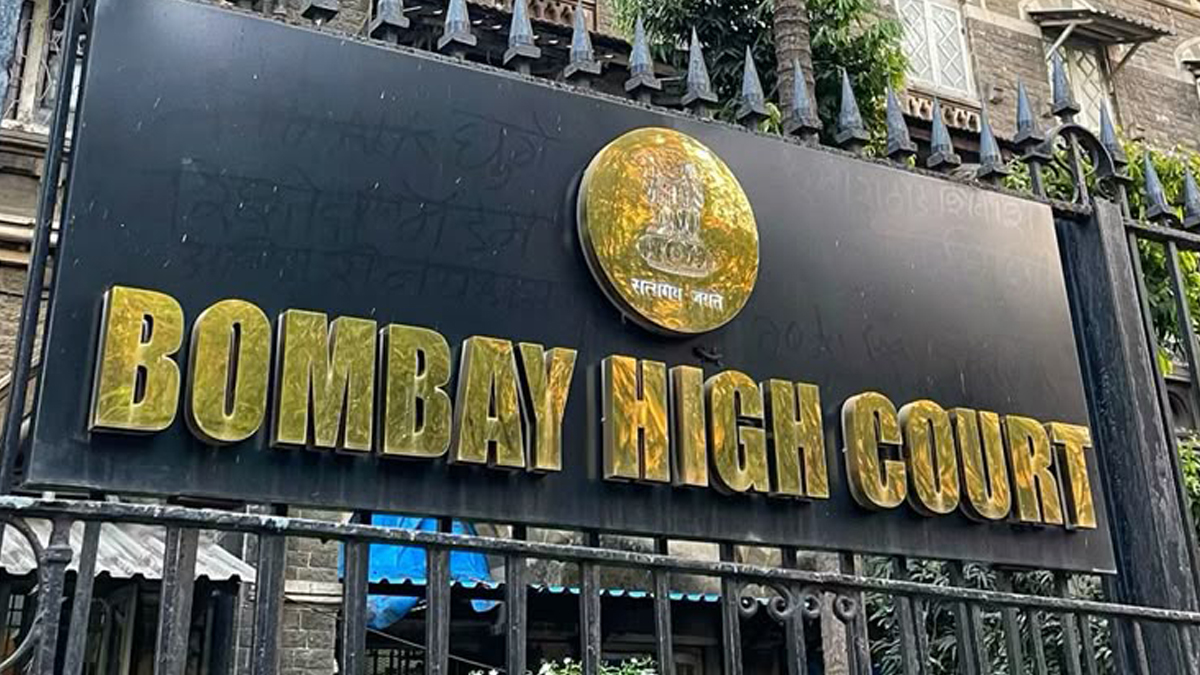
MUMBAI: Home advantage, it turns out, still counts. The Bombay High Court has refused to send Blink Digital’s Rs 1,000 crore fight against Meta to California, and the suit over thousands of disabled advertising accounts will now stay put in India. In an order pronounced on 27 October 2026, Sandeep V Marne dismissed Meta Platforms Inc’s application for return of the plaint under Order 7 Rule 10 of the Code of Civil Procedure, 1908.
The dispute is simple to state. Blink Digital (India) Private Limited provides digital advertising, media planning and buying, creative and marketing communication services to corporate clients across India and abroad. On 4 August 2026, its four business manager accounts were disabled, together with about 9,000 advertising accounts and other business assets inside them. Blink Digital wants its business manager accounts, ad accounts, Facebook pages and Instagram accounts restored. It also seeks declarations that the action was arbitrary and in breach of law and Meta’s own published terms, along with Rs 1,000 crore in damages.
The Californian gambit
Meta’s argument was that the parties had contractually agreed to resolve commercial disputes in the courts of California, under Californian law, so the Bombay court had no territorial jurisdiction. Janak Dwarkadas, senior advocate for Meta, argued that a hierarchy of contracts, from the Terms of Service to the Commercial Terms and the Self-Serve Ad Terms, was inextricably interlinked. Kunal Dwarkadas, appearing for Blink Digital, argued that the application was misconceived and could not succeed because a plaint cannot be returned in part.
The court sided with the plaintiff. Marne held that Meta had failed to demonstrate that the court totally lacks territorial jurisdiction.
Why Meta lost
Several strands of reasoning carry the order, and together they make a rather tidy case.
First, Facebook India Online Services Private Limited, Meta’s Indian entity and the first defendant, never raised a jurisdiction objection. The court noted that it chose not to file an application for return of the plaint and did not take part in the hearing on the application. A note it tried to tender after the hearing was about to close was refused. Meta, the court said, cannot plead on its behalf. The court added that it may be premature to presume Facebook India has waived the objection, but for deciding Meta’s application it could not find that the court lacks jurisdiction even over the Indian entity.
Second, Facebook India has its office within the court’s territorial jurisdiction, and parties cannot, by contract, exclude the inherent jurisdiction of the court. Third, the court described Facebook India as a significant social media intermediary located in India and bound by the Information Technology Act and the Intermediary Rules. The suit against it alleges violations of those laws, so it plainly lies in Mumbai.
Fourth, the court observed that even assuming the foreign jurisdiction clause is enforceable, the courts in California cannot decide the issues arising under the IT Act and the Intermediary Rules. It added that judgments of the Madras High Court prima facie indicate that the court’s jurisdiction would not be ousted. Fifth, even under Meta’s own Terms of Service, the suit would lie in Mumbai so far as it concerns the disablement of Blink Digital’s individual Facebook page and Instagram account.
The partial-return problem
The clincher was procedural. Relying on the Delhi High Court’s division bench ruling in Nilesh Girkar, the court held that a plaint cannot be returned in part and partly decided in Mumbai. If Meta’s objection were accepted, the court would have to hear the suit in full against Facebook India and in part against Meta, while sending the contractual claim to California. The court said such a course cannot be countenanced in law. It also found that the causes of action against the two defendants are not segregable and are inextricably intertwined.
The court also distinguished the authorities Meta relied on, including Rakesh Kumar Verma, Traxpo Enterprises and Samiulla Saheb, saying their facts do not apply to this case.
What it means for advertisers and agencies
The wider message is hard to miss. For agencies and advertisers that run campaigns worth crores through global platforms, a standard form contract naming a faraway court has long looked like the end of the conversation. This order shows that Indian courts will look closely at who is actually doing business in India, and which Indian laws are engaged, before packing a dispute off abroad. The presence of an Indian intermediary bound by the IT Act and the Intermediary Rules proved decisive.
That is welcome news for the many Indian businesses that depend on platforms they cannot negotiate with. It does not, however, decide the merits. The court clarified that its findings on territorial jurisdiction were made in the context of the Order 7 Rule 10 application, and that the issue of jurisdiction can be decided independently during the trial.
What happens next
The interim application has been dismissed, and the costs of the application will be costs in the suit. The next date is already fixed. Blink Digital’s own application for a temporary injunction, Interim Application (L) No. 31469 of 2026, is listed for 2 November 2026 at 4.00pm. That hearing will show whether the agency gets its accounts back while the main fight continues.
For now, Blink Digital has won the first round, and on its home turf.