News Broadcasting
Zee Media Exclusive interview with former Railway Minister, Pawan Kumar Bansal, who says “there is a conspiracy” to implicate him in Cash-for-Promotion

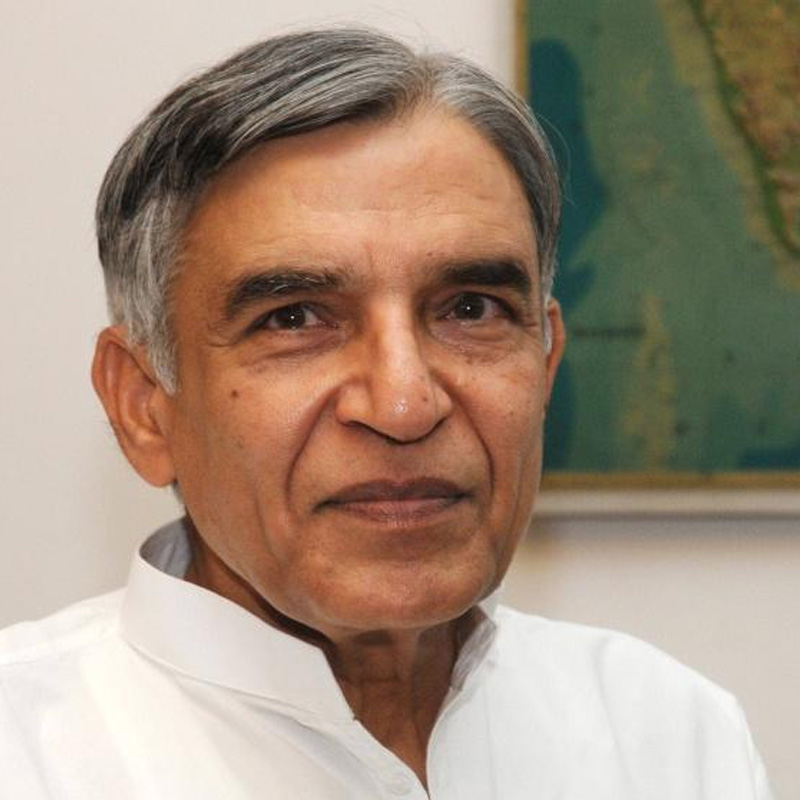
New Delhi: Zee Media aired the first Television Interview of Pawan Bansal today, the former Minister of Railways, since his implication in the Cash-for-Promotion saga. He said there was a conspiracy being hatched against him since he held a very prominent position and was trying to eradicate a lot of ills that were plaguing the system.
In an exclusive interview with Rahul Sinha of Zee Media, he said, “I’m not involved in any wrong doing and I am not an accomplice in the Cash-for-Promotion case. These are vested interests of people who are trying to malign me and my family’s image through false accusations and I’m sure that the courts will finally be able to bring the truth out.”
He shared the various dates and the file movements on the issue to show that he was not involved in any way in the highly publicized issue. Bansal said that had there been even an iota of possibility of his involvement, he would not have been there to help the prosecution. He also pointed out that the file movement and the various conversations, said to be made on his behalf, do not gel.

He went on to say that he was clean and that there was a conspiracy to implicate him in the matter. He also shared that he was shocked upon learning that his nephew was embroiled in the act. According to him, CBI has done a thorough investigation and the Courts will bring out the truth in the case. He also said that some of the companies that he is being made an owner of (105 in total) include PSUs and some companies based down south that he doesn’t even has clue of, let aside question of ownership.
He further clarified that he does not think there was an internal conspiracy within the Congress party against him and he believed the party’s leadership will also understand that he has done no wrong. He was just hurt by the way the whole issue panned out and the media reports that accused him of the wrongdoing and pronounced a sentence against him.
Sudhir Chaudhary, Editor, Zee Media said on the occasion, “We have always striven to bring out the truth in all cases of public importance and have given everyone the right to defend themselves. With this interview as well we are trying to give opportunity to the accused to provide his side of the story; it is up to the viewers to make a decision for themselves on the issue.”






News Broadcasting
News18 India launches Command Centre war explainer with Arya
New show shifts from debates to decoding global conflicts and impacts
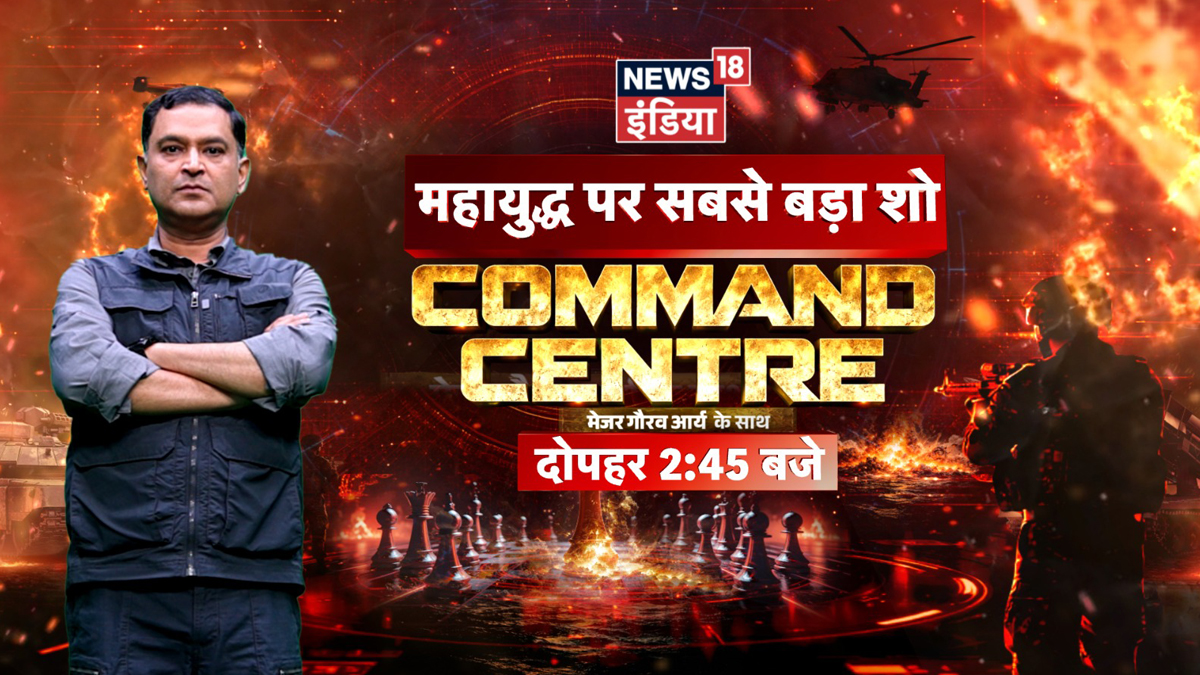
MUMBAI: News18 India has rolled out a new war-focused programme, Command Centre, featuring Gaurav Arya, as it looks to offer viewers a sharper, more grounded take on global conflicts amid rising tensions in West Asia.
Positioned as an “insider war room”, the show moves away from conventional panel debates and instead focuses on explaining military developments, decoding strategy and connecting global events to their everyday impact, from fuel prices to economic shifts.
The format leans heavily on visuals and data. The studio has been designed like a command hub, complete with large LED war maps, real-time graphics and an alert system to track developments as they unfold.
At the centre of it all is Arya, who brings his military background to simplify complex war strategies for viewers. His signature line, “Seedhi baat samjhiye”, anchors the show’s promise of clarity over noise.
News18 India managing editor Jyoti Kamal said, “Command Centre, featuring Major Gaurav Arya is designed to deliver accurate insights and a clear perspective on how evolving conflicts impact everyday life, from household budgets to national security. With expert voices analysing every development in real time, the show goes beyond headlines to decode what’s happening now, what it means, and what could come next.”
Echoing the intent, Gaurav Arya added, “In times of war, confusion is the biggest threat. With News18 India’s Command Centre, we are bringing viewers inside the war room, decoding strategies, tracking every escalation, and explaining, in the simplest terms, what it means for India and for every household. Seedhi baat samjhiye, this is where you understand not just what is happening, but what happens next.”
The weekday show will air in the afternoon slot and will also feature Gaurav Shukla, adding to its editorial depth.
With its mix of analysis, visuals and a clear focus on impact, the show reflects a broader shift in news consumption. Viewers are no longer just watching events unfold, they are looking to understand what those events mean for them.







