Cable TV
Do Smart TVs Have Security Risks?

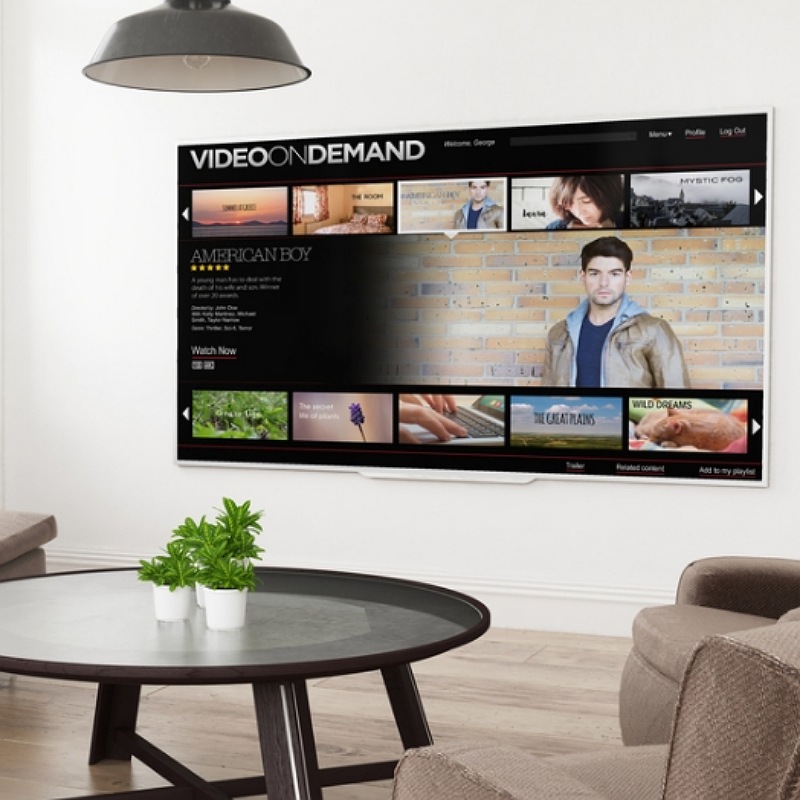
The craze for Smart TVs at homes is through the roof. With the given benefits of watching different shows to browsing Internet on TV, smart TVs are probably on people’s appliances list to buy in the coming years.
However, the advent of technology has a dark side apart from user-friendliness and ease of access. With the number of smart gadgets, you have at home, the risks keep multiplying likewise. Similarly, smart TVs also pose major security risks that are sometimes unaware of for the users.
Let’s focus on such security risks in this guide and look at ways to overcome them. Read on for more!
Security Risks Involved With Smart TVs
Traditional TV sets might sound a big inconvenience to many right now. However, smart TVs come with the concept of “many eyes watching you”. You are no longer under the blanket of privacy or security when it comes to smart TV usage.
Let’s have a quick look at ways in which smart TVs pose security risks:
1. Hacking
Hacking is now a style statement in the digital era. Any smart device is within reach of hackers and smart TVs are no exception. If your TV has a webcam or microphone, you are no longer having private conversations. Also, hackers mainly target your settings in the application installed on your TV.
If your TV is connected to other smart gadgets at home like home security systems, all of these applications are at risk. All the online account information for apps is readily available to hackers.
Hackers need a small opening only. Later, the whole system appears compromised.
2. Data For Sale
The threats of your data up for sale from smartphones are present in your smart TVs too.
As per the information on security risks, organizations like Vizio were found selling data on what their customers watched frequently to various advertisers. This way, you start getting anonymous phone calls regarding “special offers” that might surprise you.
Whatever you thought was unimportant might be worth millions to the right advertisers!
3. Malware
Reports are rife that smart TVs are susceptible to malware or virus attacks. The sole intention of hackers is to gather information about your credit card details that you had used to pay for apps on your TV. Also, another possibility is to freeze your accounts and demand a ransom to free up the usage of your TV.
Most of the TVs do not support the use of anti-virus software. However, you see all these attacks happening in the devices regardless of the use of such software.
All these sound bizarre, but you can find many instances all over the internet of people becoming victims in this smart TV world.
4. Substandard Configuration
Most of the TV manufacturers forget the security configuration updates in the race against their competitors. Moreover, consumers also play a huge role in having poor configuration/settings in their home smart TVs.
Cyberattacks are around the corner when the manufacturer changes the operating system to save a few bucks on their production cost.
Also, the users might care less about these points when it comes to settings:
● Utilizing insecure protocols
● Weak passwords
● Trying debugging mechanisms
● Enable unused/not needed services
● Not checking the authenticity while using some apps
● Ports remain open
Passwords play a crucial role in keeping your smart TV secure. Sometimes, people stick with the default or easy-to-crack passwords for long without thinking about the risks.
5. Outdated Software
The digital world is bringing updates regularly. If the manufacturers do not attempt to update their software and firmware in line with the world’s challenges, your smart TV is more susceptible to attacks.
Your new TV suddenly looks outdated within two years. Sometimes, smart TVs are manufactured with no options to have regular updates in software that might give more protection against data stealing and hackers.
6. Physical Attacks
Smart TVs may have ports through which external programs can run on your TV. Usually, strangers can gain access to your data or run a malicious program through devices that resemble a USB stick.
Smart gadgets are prone to accept such attacks without any level of security when external devices are plugged in.
How To Prevent Security Risks On Smart TVs?
All these problems may sound alarming to smart TV customers. However, with simple tips and tricks, you can strengthen the security system on your TV to a great extent.
Let’s look at ways to prevent or safeguard your smart TVs from security problems:
Improvise Your Password Hub
Your smart TV has access to many streaming platform accounts. Also, each of them has a password to enter into your personal account. Try to vary your password between these platforms. Else, hackers wouldn’t find it difficult to hack all your accounts with a similar password.
Moreover, use unique and complex passwords. It is easy to store these passwords with a digital locker that you are comfortable with.
Regularly Update Your Software and OS
It is best to visit your settings page once every month to understand if there is an OS update available. Go for it immediately since it might have many bug fixes and enhanced security features in place.
Go For Low-Tech
A built-in webcam or microphone may sound a sweet deal while going for smart TVs. However, the higher the tech, the higher the security risks. Hence, try going for TVs with no built-in snooping extras.
Restrict Internet Connectivity
Many may not accept this option as the TV’s main purpose of being smart is taken away. However, lesser exposure to the internet saves your TV from any cybercrime attacks from hackers.
Get To Know Your TV’s Settings
Most of the consumers are not aware of the security your TV can provide. Hence, go through the entire settings section to strengthen your smart TV’s ability against security risks.
Use A Secure Router
The Internet connectivity comes from a router. Thus, you can make your TV secure by opting for all safety measures needed when setting up one. Go for strong passwords and encryption. Also, apply other measures that your router can offer in terms of security.
Final Thoughts
Smart TVs have made the entertainment watching in our homes more active. Although, the whole experience comes with a load of security risks that threaten the existence of our daily life. Hence, with simple measures, we can stay clear of these cyber-attacks.
Strengthen your TV’s settings, restrict internet usage and go for low-tech TVs to have a better hand at managing the risks involved.