iWorld
Zee5 announces Mithya season two

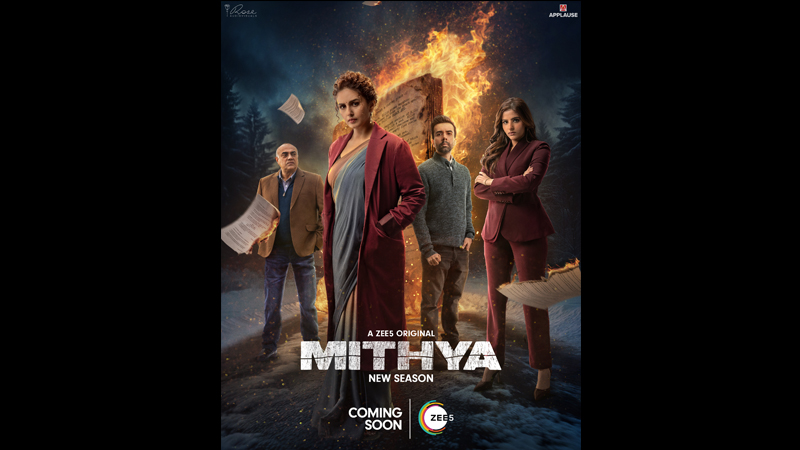
Mumbai: Zee5 has announced the return of the psychological drama Mithya for the second season after the success of the first season. The series revolves around the tumultuous relationship between two half-sisters, marked by ambition, betrayal, and revenge.
Directed by Kapil Sharma and produced by Applause Entertainment in association with Rose Audio Visual Production, the second season of Mithya features a stellar cast, including Huma Qureshi and Avantika Dasani as the half-sisters, alongside Rajit Kapur and Indraneil Sengupta in prominent roles. They are joined by Naveen Kasturia in the new season who will be seen as a mysterious character adding more spice to the lives of the two sisters.
The second season delves deeper into the complex and dysfunctional interpersonal relationships of all the significant characters in the series. With tensions escalating and the stakes higher than ever, Mithya season two premieres soon on Zee5.

Zee5 CBO Manish Kalra said, “After seeing the love the audience had for a successful first season, we are thrilled to bring back Mithya with a more thrilling narrative. With their powerful performances, the cast has brought the complex and layered plot to life, ensuring the series further exemplifies our focus on creative storytelling. Mithya season 2 is also a result of our longstanding and creatively fulfilling partnership with Applause Entertainment and Rose Audio Visuals. We’re looking forward to audience response to Mithya S2 while strengthening our commitment to deliver exceptional stories.”
Applause Entertainment MD Sameer Nair, ” We’re thrilled to return with Mithya for a gripping second season that delves even deeper into its complex narrative. This is far from a conventional thriller — the set-up, location, and intricate relationships push the boundaries of storytelling. At its heart, Mithya is a tale of betrayal and revenge, with the tension between the half-sisters and their fathers reaching new heights. Grounded in a distinctive and immersive narrative, this season draws viewers deeper into a psychological drama of sisters, traumas, and secrets.”
Rose Audio Visuals producer Goldie Bhel said, “We’re thrilled to bring Mithya back for Season 2. This series has always been about exploring the grey areas of truth, deception, and the human psyche, and with this new season, we’re diving even deeper. The response to Season 1 was incredible, and it’s pushed us to take bigger creative risks this time around. We’ve crafted a story that’s darker, more intense, and full of surprises, and we can’t wait for the audience to experience what’s next.”
Director Kapil Sharma expressed, “We are absolutely thrilled to bring our audiences the new season, that is not only rich in story arcs but also visually stunning. Set in breathtaking Darjeeling, we have captured some wonderful performances by the talented cast with high-octane visuals and thrills that enhance the intensity of the narrative. The buzz surrounding the return of Mithya is immense, and we aim to lift our audience’s expectations a notch higher.”







iWorld
OpenAI hits back at Elon Musk’s lawsuit ahead of trial
Company calls claims “baseless” and accuses Musk of trying to disrupt a rival.
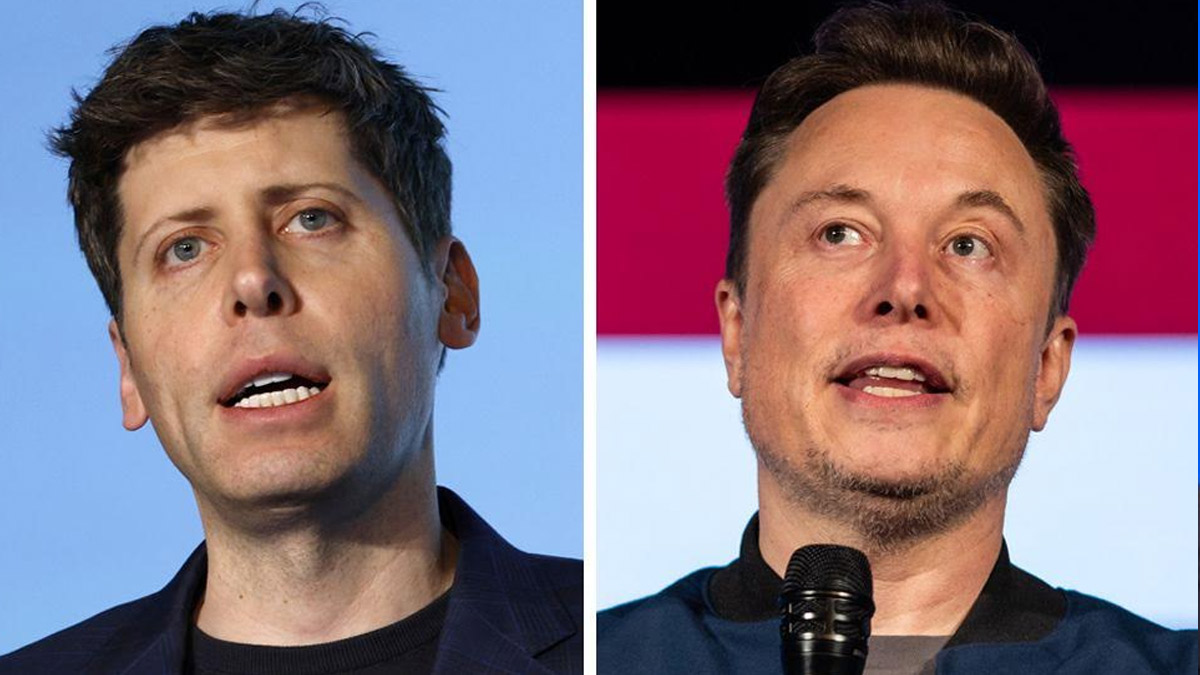
MUMBAI: When the stakes are measured in billions and egos are involved, even Silicon Valley titans can turn a courtroom into a battlefield. OpenAI has issued a sharp public response to Elon Musk’s ongoing lawsuit, accusing the billionaire of filing the case to harass a competitor rather than address genuine concerns. In a strongly worded statement shared on its official X account, OpenAI described Musk’s allegations as “baseless” and suggested the lawsuit is an attempt to disrupt the company as the case heads toward trial later this month in Oakland, California.
The response comes after Musk’s legal team recently amended the complaint, proposing that any damages potentially exceeding $150 billion should go to OpenAI’s nonprofit entity rather than to Musk personally. OpenAI questioned the timing and motive behind this change, calling it a late-stage attempt to “pretend to change his tune” on the nonprofit structure.
The company further labelled the lawsuit a “harassment campaign”, arguing that Musk’s actions are driven by personal rivalry, ego, and a desire for greater control and financial upside.
At the heart of the dispute is Musk’s claim that OpenAI has abandoned its original nonprofit mission of developing artificial intelligence for the benefit of humanity. A co-founder who left in 2018, Musk is seeking governance changes, including the removal of CEO Sam Altman from the nonprofit board, and the return of certain financial gains linked to Altman and President Greg Brockman.
OpenAI has firmly rejected these allegations, maintaining that its current hybrid structure, a public-benefit corporation overseen by a nonprofit parent remains true to its long-term goals. The company has also previously accused Musk of anti-competitive behaviour aimed at weakening its leadership.
As the case prepares for a jury trial, this public exchange highlights the deepening rift between two of the most influential figures in the AI revolution and raises broader questions about governance, mission, and power in the fast-moving world of artificial intelligence.
In the high-stakes game of AI, it seems the real drama isn’t just inside the models, it’s playing out in courtrooms too.






