iWorld
YouTube’s premium ad-free service Red to hit 100 new countries

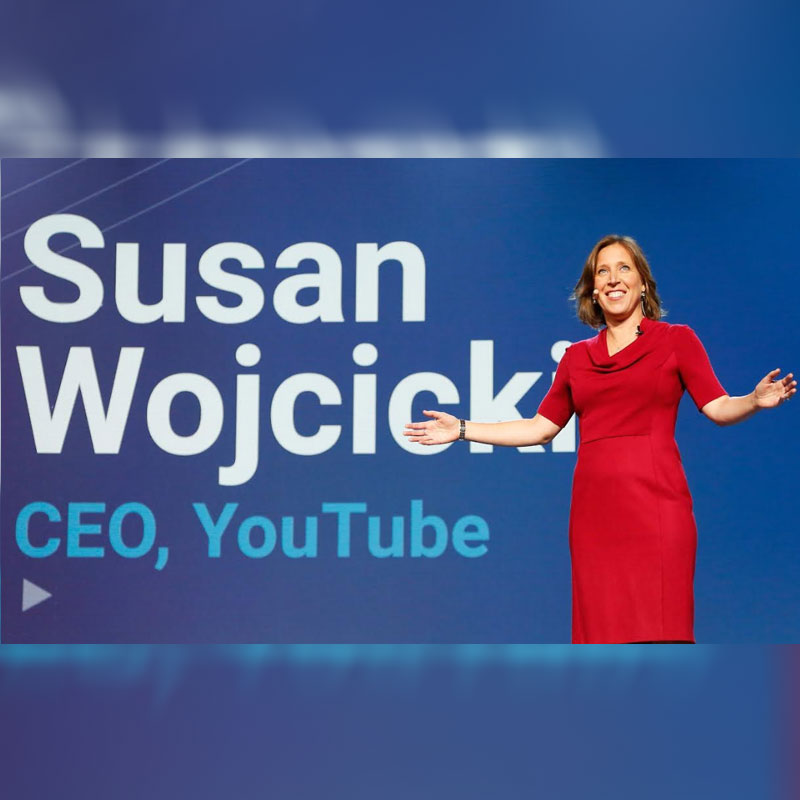
MUMBAI: YouTube is all set to expand its premium subscription service YouTube Red to as many as 100 countries, according to YouTube chief executive Susan Wojcicki. The target countries haven’t yet been decided.
While never specifically mentioning the merger of Google Play Music with YouTube Red, she hinted that YouTube Red is a music-first product.
Speaking at the Code Media conference in California, Wojcicki said, “I think our goal is to continue to increase what we’re doing. We are building that muscle of creating content; we’ll continue to do more and more and we’ll see what’s successful, we’ll see what our users respond to, what’s driving subscriptions, what’s being watched. I think one of the really amazing things about YouTube is the platform and the data that we have.”

Google’s YouTube Red is a rival to Spotify, Netflix, Apple Music, and Amazon Video – and it’s going global in 2018.
She referred to YouTube Red as “really a music service,” which suggests that YouTube, and not Google Play Music, will be the forward-facing image of the upcoming product. She said, “YouTube Red is a service that is really a music service. We have an amazing collection of music. We have all these music videos. And then on top of that it has the ability to watch all of YouTube ads free, with the background and offline services. And on top of that we’ve actually been doing a number of YouTube Originals.”
In July 2017, Google announced that its music service, Google Play Music would merge with its premium YouTube service, YouTube Red. News on the merger was quiet until December 2017, when Bloomberg reported that Google would be releasing the combined service, internally referred to as “Remix,” by March 2018.
YouTube Red launched in the US in October 2015 but although a swift global rollout was predicted, it has since only launched in Australia, Mexico, New Zealand, and South Korea. The platform offers ad-free viewing and access to original content exclusive to the platform.
Also Read:
Vivo YouTube campaign saw better response using Vogon
YouTube, FB to corner major ad spend globally over 5 years
TiVo’s new deal with Google includes YouTube TV







iWorld
OpenAI hits back at Elon Musk’s lawsuit ahead of trial
Company calls claims “baseless” and accuses Musk of trying to disrupt a rival.
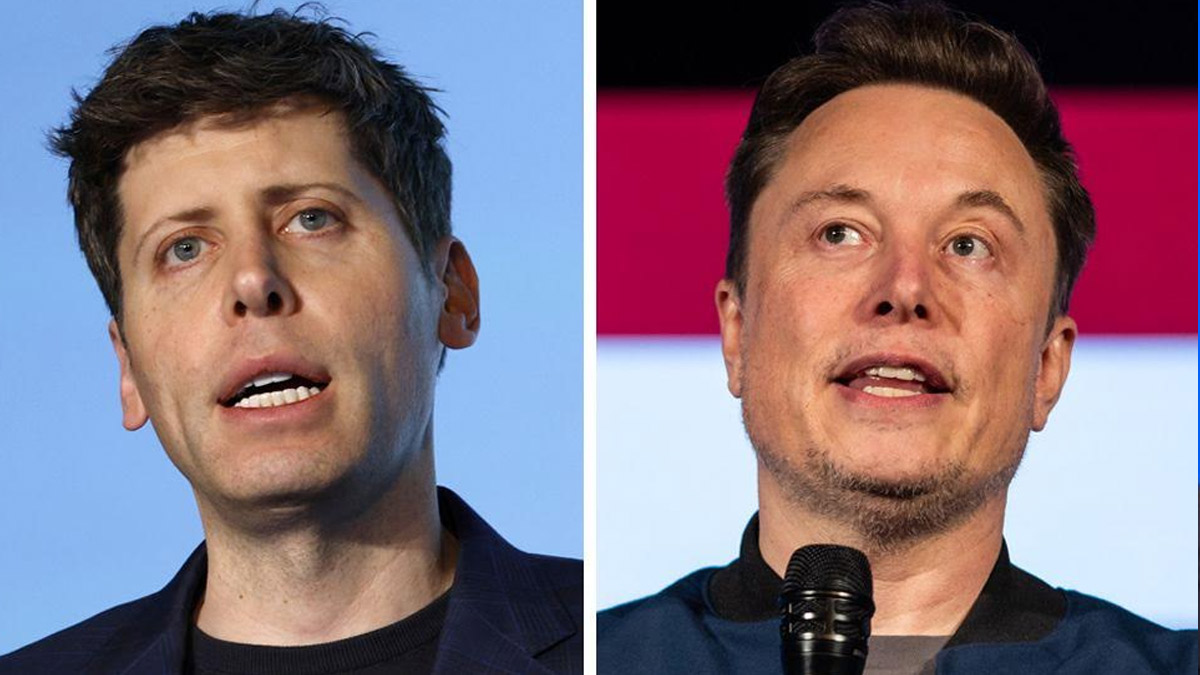
MUMBAI: When the stakes are measured in billions and egos are involved, even Silicon Valley titans can turn a courtroom into a battlefield. OpenAI has issued a sharp public response to Elon Musk’s ongoing lawsuit, accusing the billionaire of filing the case to harass a competitor rather than address genuine concerns. In a strongly worded statement shared on its official X account, OpenAI described Musk’s allegations as “baseless” and suggested the lawsuit is an attempt to disrupt the company as the case heads toward trial later this month in Oakland, California.
The response comes after Musk’s legal team recently amended the complaint, proposing that any damages potentially exceeding $150 billion should go to OpenAI’s nonprofit entity rather than to Musk personally. OpenAI questioned the timing and motive behind this change, calling it a late-stage attempt to “pretend to change his tune” on the nonprofit structure.
The company further labelled the lawsuit a “harassment campaign”, arguing that Musk’s actions are driven by personal rivalry, ego, and a desire for greater control and financial upside.
At the heart of the dispute is Musk’s claim that OpenAI has abandoned its original nonprofit mission of developing artificial intelligence for the benefit of humanity. A co-founder who left in 2018, Musk is seeking governance changes, including the removal of CEO Sam Altman from the nonprofit board, and the return of certain financial gains linked to Altman and President Greg Brockman.
OpenAI has firmly rejected these allegations, maintaining that its current hybrid structure, a public-benefit corporation overseen by a nonprofit parent remains true to its long-term goals. The company has also previously accused Musk of anti-competitive behaviour aimed at weakening its leadership.
As the case prepares for a jury trial, this public exchange highlights the deepening rift between two of the most influential figures in the AI revolution and raises broader questions about governance, mission, and power in the fast-moving world of artificial intelligence.
In the high-stakes game of AI, it seems the real drama isn’t just inside the models, it’s playing out in courtrooms too.






