iWorld
YouTube Rewind: What India watched in 2015


MUMBAI: 2015 has been an exciting year on YouTube in India. One saw more and more people consuming content on digital platforms, with YouTube leading the pack. YouTube has garnered a huge fan following not only in terms of the audience but also amongst original content creators in India. While YouTubers like All India Bakchod (AIB) and The Viral Fever (TVF) rose to superstardom, an array of new players also joined in to professionally create videos for YouTube. Even big screen celebrities were seen more open to experimenting with artists online.
As per YouTube Rewind, the top trending YouTube video in India in 2015 was AIB: ‘Every Bollywood Party Song feat. Irrfan,’ followed by ‘Chhota Bheem – aur – Krishna Jodi No. #1.’

In spite of the huge surge in original digital content from YouTubers, it is mainstream media, which still commands YouTube viewership. As per the data, six out of 10 in the list of top most trending videos on YouTube belong to mainstream media, including television and film.
The data also sheds light on the fact that in 2015, comedy ruled in India. This is evident as five out of top 10 most viewed videos on YouTube were of the comedy genre.
Grabbing the first spot is the amusing comic music video by AIB: ‘Every Bollywood Party Song feat. Irrfan,’ which redefined comedy and gave the video a very refreshing twist. AIB’s ‘Honest Indian Weddings (Part 1),’ ‘PK movie Spoof,’ TVF’s ‘Barely Speaking with Arnub | Arvind Kejriwal’ are amongst the other top trending comedy videos, which were placed in the list of top 10.
2015 was also a good year for music with Honey Singh’s ‘Dheere Dheere Se Meri Zindagi video song (OFFICIAL),’ ‘Chittiyaan Kalaiyaan Video Song’ and ‘Badshah – DJ Waley Babu’ being the top most trending music video locally.







iWorld
Diljit Dosanjh’s Dil-Luminati tour generates Rs 943 crore impact
EY report says 14 concerts across 13 cities sparked jobs, tourism and spending
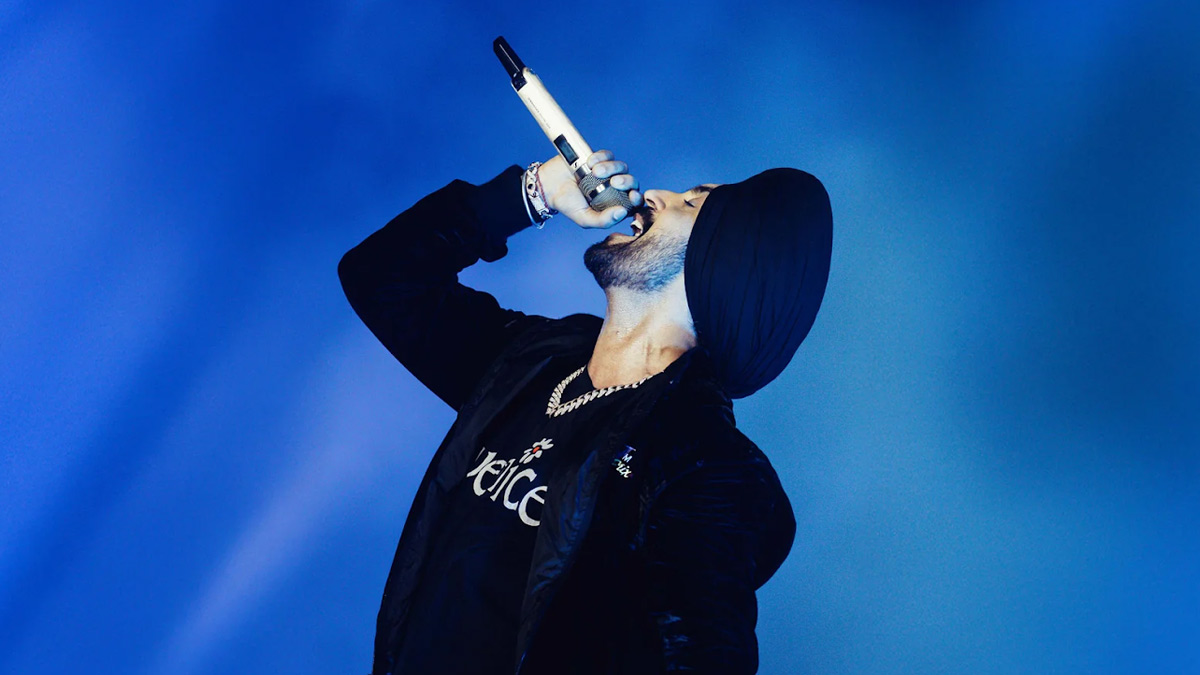
MUMBAI: What began as a music tour quickly turned into an economic crescendo. The India leg of Diljit Dosanjh’s Dil-Luminati tour has generated a measurable economic impact of nearly Rs 943 crore, according to a socio-economic impact report prepared by EY.
Spread across two months in late 2024, the tour travelled through 13 cities with 14 performances, drawing more than 3.2 lakh fans and selling out shows in roughly 10 minutes on average.
The concerts began in New Delhi on October 26 and wrapped up with a New Year’s Eve finale in Ludhiana, the singer’s hometown. In between, the Punjabi superstar turned stages across cities such as Mumbai, Bengaluru, Hyderabad, Kolkata and Guwahati into high-energy gatherings where music, fandom and travel blended into a nationwide spectacle.
According to the EY analysis, the tour generated Rs 276 crore in direct revenue for organisers through ticket sales, sponsorships and food and beverage spending at venues. Indirect spending by fans pushed the economic ripple effect even further, contributing an estimated Rs 553 crore through travel, accommodation, tourism and shopping.
Government revenues added another Rs 114 crore, including Rs 111 crore in GST and around Rs 2.5 crore in local permissions and fees.
Ticket sales were the main driver, accounting for about 80 per cent of direct revenue, with prices ranging from Rs 2,499 for silver tickets to as much as Rs 60,000 for premium lounge access. The gold category emerged as the most popular, generating more than half of the ticketing revenue.
The concerts were not just local gatherings. Nearly 38 per cent of attendees travelled from other cities to catch the shows, turning the tour into a travel magnet. Many extended their trips by two to three days, boosting hotel stays, dining and tourism activities in host cities.
Air and rail travel together accounted for around 70 per cent of inter-city travel costs linked to the concerts, while nearly half of travelling fans stayed with friends or family.
Cities hosting the tour also saw noticeable spikes in travel bookings. Flight bookings to Chandigarh, for instance, rose by about 300 per cent year on year around the concert dates, while cities such as Delhi, Ahmedabad and Indore saw booking growth of roughly 100 per cent.
Beyond the stage lights and thumping speakers, the tour also created a significant employment surge. The report estimates that more than 118,000 man-days of work were generated, including about 69,000 direct man-days and over 48,000 indirect man-days across sectors such as security, logistics, hospitality and technical production.
Security, safety and crowd management alone accounted for roughly half of the direct employment created during the concerts, reflecting the scale of operations required to stage such large events.
More than 15 brands partnered with the tour, turning concerts into a playground for creative marketing. From themed merchandise drops to experiential campaigns and exclusive ticket access deals, companies tapped into the singer’s massive fan base to amplify their reach.
The official ticketing platform recorded over 62.5 lakh visitors during the sales window and processed more than 1.2 lakh ticket orders, underscoring the intense demand for live events anchored by home-grown artists.
The tour also doubled as a cultural roadshow. At each stop, Dosanjh embraced local traditions, sampled regional cuisine and showcased India’s diversity through his social media posts and stage interactions, turning concert stops into mini travel diaries.
For the wider entertainment industry, the Dil-Luminati tour is being seen as a marker of how large-scale live concerts can drive economic activity well beyond the stage. The report suggests that India’s live music sector could grow rapidly in the coming years as demand for large events continues to surge.
In other words, the Dil-Luminati tour did more than fill stadiums. It moved crowds, boosted city economies and showed that when live music hits the right note, the ripple travels far beyond the final encore.







