iWorld
YouTube, FB to corner major ad spend globally over 5 years

NEW DELHI: New data from UK-based Juniper Research has found that advertising spend on FVoD (free video on demand) content, such as media on YouTube and Facebook, will surge over the next five years reaching $37 billion by 2022. This is up from an estimated $16 billion in 2017.
In addition, unique users of such content will reach just under 4.5 billion globally by 2022 as the appetite for free video media continues its expanse, a statement from Juniper Research said on Tuesday.
The new research, Digital TV & Video: Network and OTT Strategies 2017-2022, found that leading FVoD provider YouTube, which sees over 1 billion hours watched per day, will face increasing competition from social media platforms. It observed that the delivery of live video content via social media channels will be one of the growth areas for 2018 as users increase the volume of live broadcast content posted to these platforms. Such examples include Instagram, which has over 800 million monthly active users, and Snapchat which has 178 million daily active users.
Said research author Lauren Foye, “This content will increasingly be of interest to advertisers, especially in view of Facebook’s monthly active user base of over two billion people. The company has launched an app and website ‘Facebook for Creators’ to help users refine video content and generate viewership.”

Juniper found that this will aid growth in content consumption, with data usage from OTT content surpassing 840 exabytes by 2022, the equivalent of 129 billion hours of 4K streaming.
Recent changes to YouTube’s Partner Programme means that it will only accept channels with more than 1,000 subscribers and 4,000 viewing hours acquired across a year to its shared advertising revenue programme, the research highlighted. This change in strategy results from increased advertiser pressure following several high-profile, offensive, video posts by users.
Nevertheless, Juniper forecasts YouTube to account for almost a quarter of all FVoD adspend by 2022.
Juniper Research provides research and analytical services to the global hi-tech communications sector, giving consultancy, analyst reports and industry commentary.
Also Read :
We are seeing consumption in languages & low-connectivity areas, says Facebook India’s Saurabh Doshi
Health & beauty YouTube’s fastest growing vertical in 2017 for India
Apple commits $4.2 bn for original content




iWorld
Samay Raina confirms return of India’s Got Latent after controversy
Still Alive mixes humour and reflection as comedian revisits 2025 row
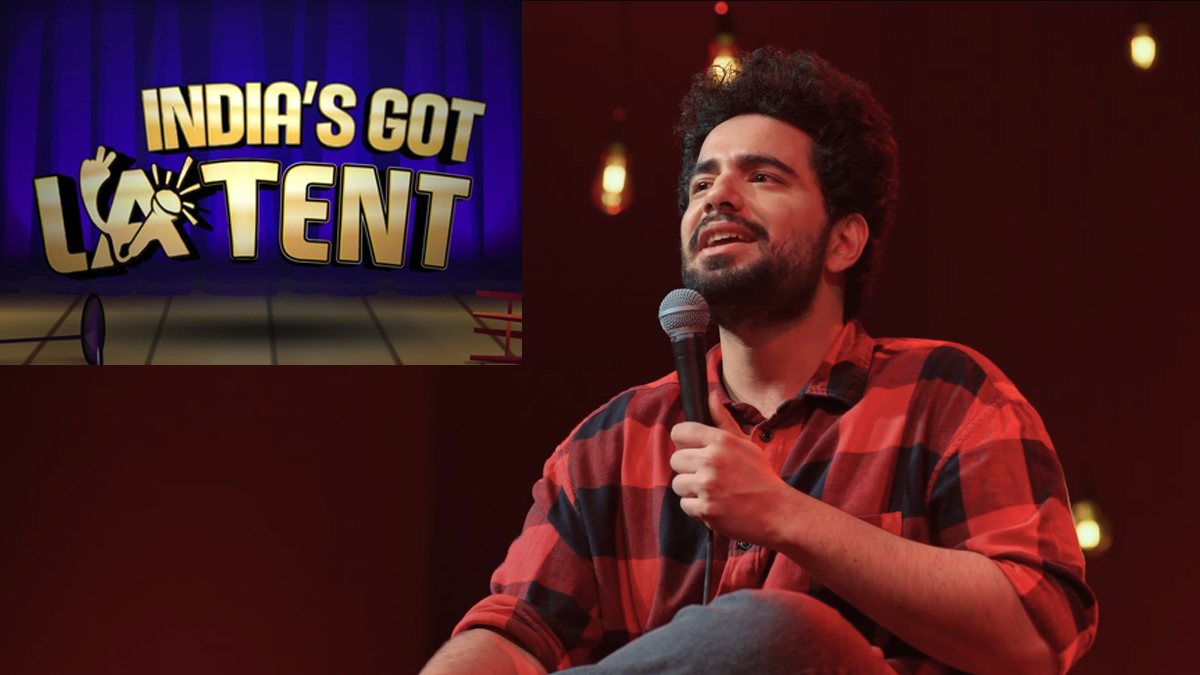
MUMBAI: Samay Raina has signalled a possible return of his controversial show India’s Got Latent, using his latest stand-up special Still Alive to address the past and hint at what lies ahead.
Released on YouTube, the special marks Raina’s most candid take yet on the backlash that forced the show off air in 2025. While much of the performance leans on humour, it also dips into more reflective territory, offering a glimpse into the emotional toll of the controversy.
Recounting the fallout, YouTube comedian samay raina said, “We were both extremely unsettled. How would we navigate this? It was terrifying. We were lost as to what was happening.” He also spoke about a moment involving fellow comedian Balraj Ghai’s family, describing it as overwhelming and difficult to process.
The personal impact of the episode came through most strongly when Raina spoke about his family. He admitted he struggled to even answer a call from his mother during the crisis. YouTube comedian samay raina said, “I hesitated to answer her call and show my tear-streaked face. How would she react? My mom is unaware of anything except how to love.”
Amid the introspection, Raina also dropped a clear hint about the future of his show. While he believes the first season ended on a high note, he confirmed that he intends to revive it. YouTube comedian samay raina said, “I will bring back the show because it used to be fun making it.”
The original run of India’s Got Latent had been pulled down following widespread criticism and legal scrutiny over controversial remarks that went viral, prompting debates around content boundaries in India’s digital entertainment space. Raina later removed episodes and issued an apology, stepping back from major releases for a period.
His return now appears more measured, blending humour with reflection and signalling a creative reset. He also hinted that the next iteration of the show could be more raw and unfiltered, though details remain under wraps.
For fans, the takeaway is simple. The show that sparked both laughter and debate may be gearing up for a second act, with Raina ready to test the limits once again, this time with a sharper sense of where the lines lie.






