Hindi
With Ghaziabad multiplex, Cinepolis crosses 300 screens

NEW DELHI: With the opening of the 10-screen multiplex in Ghaziabad, Cinépolis crossed the 300 milestone India, with the total screen count now standing at 303 screens.
Caiming to be India’s first International and the world’s fourth largest movie theatre circuit, Cinépolis has opened the ten screen multiplex in R.E.D Mall at GT Road in Ghaziabad..
This is Cinépolis’ foremost property in Ghaziabad and also marks the opening of the largest cinema outlet in Ghaziabad. Cinépolis now has 39 Screens across nine cinemas in the National Capital Region.

The newly inaugurated multiplex has a total seating capacity of 1619 seats and is scheduled to run more than 50 shows per day. The theatre is equipped with an exceptional RealD 3D technology and 100% digital projections and offers gourmet food at its trademark outlet Coffee Tree.
Cinépolis India MD Javier Sotomayor said, “We have crossed an important landmark of reaching 300 screens in India in accordance with our expansion strategy and will be opening more multiplexes around the country.”
Cinépolis India director – expansion Ashish Shukla added: “This new property further validates our commitment to open more screens & offer the best cinema experience to movie goers, across India”
Cinépolis India director – strategic initiatives Devang Sampat added: “We have also introduced point based programmes like Club Cinépolis for patrons that offer exclusive services and promotions to members. We are positive that with such services, we will be able to engage with more & more patrons”
According to Rakesh Babbar from R.E.D Mall, “The Mall will definitely emerge as an ideal cinema destination for the consumers after this launch.”
The specially designed multiplex theatre will also offer freshly prepared gourmet food and beverages from the exquisite menu of Coffee Tree – the in-house signature coffee shop by Cinépolis. The brand also has unique flavored popcorns which include Butter salt, Cheese and Caramel Popcorns.







Hindi
Zee5 and Applause Entertainment team up for whodunnit ‘Everybody Loves Sohrab Handa’
Rajat Kapoor directs star-studded murder mystery streaming from 10 April.
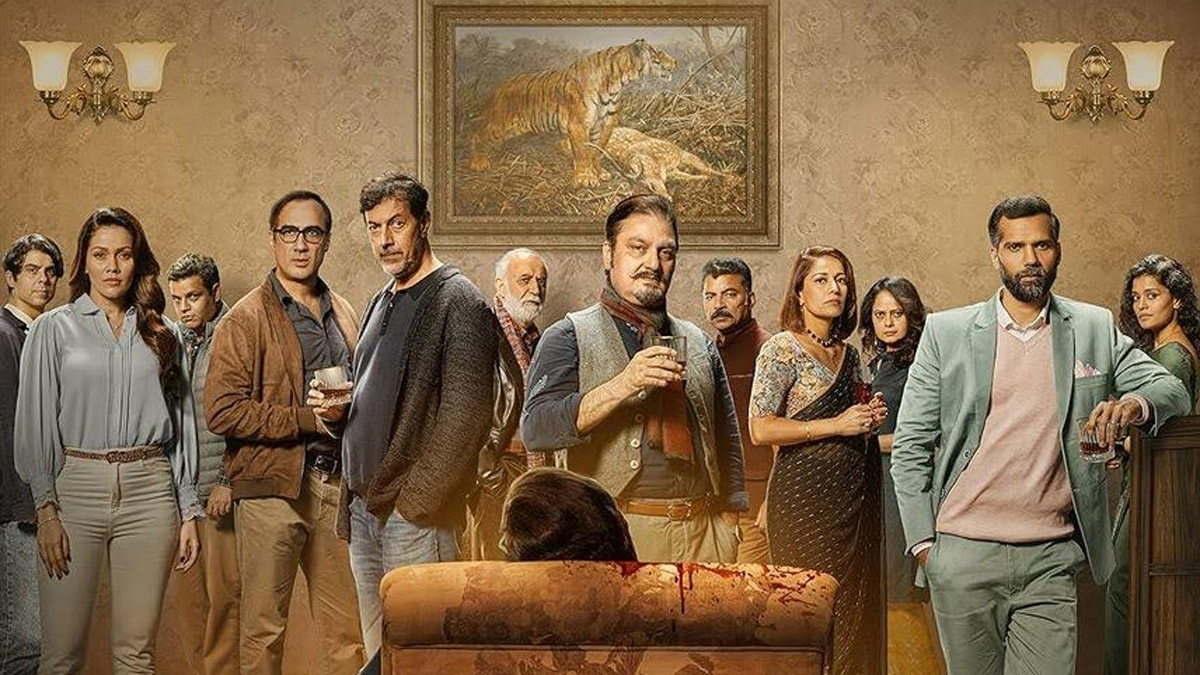
MUMBAI: Zee5 is serving up another killer collaboration and this time, the murder mystery comes with a generous side of dark humour and family dysfunction. The streaming platform has partnered with Applause Entertainment and Mithya Talkies to bring Everybody Loves Sohrab Handa, a fresh, twisted whodunnit written and directed by acclaimed filmmaker and actor Rajat Kapoor. The film will stream exclusively on Hindi Zee5 from 10 April.
The movie reimagines the classic murder mystery genre with a contemporary, darkly comic edge. It revolves around a group of friends and family who smile, drink, and celebrate together until the silence snaps and long-buried secrets spill out. The stellar ensemble cast includes Vinay Pathak, Ranvir Shorey, Waluscha De Sousa, Saurabh Shukla, Chandrachoor Rai, Neil Bhoopalam, Koel Purie, Palomi Ghosh, and Rajat Kapoor himself.
This latest offering continues the successful partnership between Zee5 and Applause Entertainment, which has previously delivered diverse hits such as Mithya, Bloody Brothers, and Jab Khuli Kitaab.
&TV Business Head of hindi Zee5 and chief channel officer Kaveri Das said, “Our collaboration with Applause Entertainment has consistently delivered distinct, high-impact storytelling. Everybody Loves Sohrab Handa is a natural progression, reinforcing our focus on genre-led content with a compelling whodunnit premise and a strong ensemble cast.”
Applause Entertainment business head for movies Sunil Chainani added, “This film adds yet another compelling layer to our slate with Rajat Kapoor’s unmistakable voice.”
Rajat Kapoor shared, “What interested me was not just the mechanics of a whodunnit, but the emotional violence that precedes physical violence. These are people who smile at each other, but there’s so much that is not said.”
The film promises razor-sharp writing, layered performances, and simmering tension, inviting viewers not just to solve the crime but to unravel the complex relationships at its heart.
If you love a good murder mystery served with wit and emotional depth, Everybody Loves Sohrab Handa looks set to be your next addictive watch. Mark your calendars, the whodunnit drops on Hindi Zee5 from 10 April.






