Cable TV
With DirecTV gone, will Murdoch look to India to push DTH ambitions?


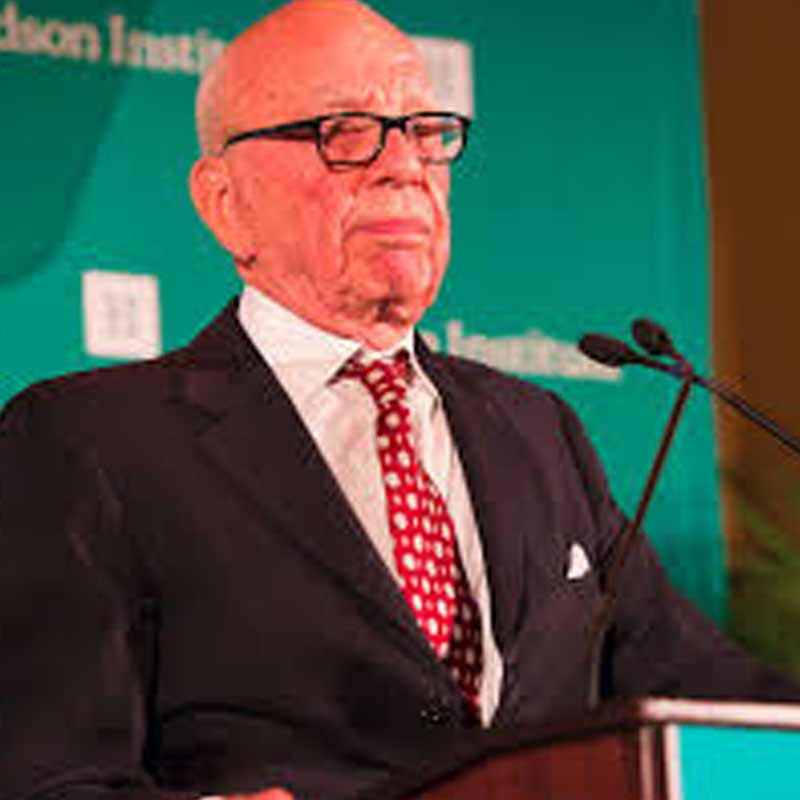
Now that News Corp chairman Rupert Murdoch has had to bow out of the race to acquire to DirecTV from General Motors, it may well be that he will be turning his attention with renewed vigour to India.
News Corp said on Saturday it was withdrawing its proposal to take Hughes Electronics and its DirecTV arm after parent General Motors failed to choose a buyer at its board meeting earlier in the day.
This cleared the way for EchoStar Communications, the company that runs Dish Network, to reach a deal on Sunday where it will be buying Hughes for approximately $25.8 billion.
If the buyout goes through, Echostar is poised to become the leading US provider of home satellite TV service. With 10 million subscribers, DirecTV is the largest provider of home satellite television service in the US. EchoStar’s Dish Network is a distant No. 2 to with 6.7 million. The combined 16.7 million subscribers would be slightly fewer than those of AT&T, the leading cable TV provider in the US, agencies report.
Coming back to India, Jagdish Kumar, executive vice-president (digital platform group), Star, a key member of the team headed by Altaf Ali Mohammed set up for Star’s DTH operations in this country, was recently quoted as saying that if the government allows third-party uplinking, the service could be up and running by March next year.
Another possibly related development is that after talking about it for a while now, government Internet gateway provider Videsh Sanchar Nigam Ltd (VSNL) is going ahead full steam with its plans to enter the DTH service segment. It is also looking at kicking off its DTH operations by March next year.
According to press reports, it has appointed PricewaterhouseCoopers (PwC) as an advisor to look into the modalities and the VSNL board was scheduled to discuss the issue at a meeting in New Delhi today.
It has always been the contention of indiantelevision.com that VSNL is the most likely of the DTH wannabes to partner Star on a common platform if and when it takes off in India. That looks more and more likely now, especially since information and broadcasting minister Sushma Swaraj is reportedly quite positive about DTH services launching in India soon.
The whole issue is likely to get added urgency in the wake of Murdoch’s losing his potential “jewel in the News Corp crown” in DirecTV. If he had succeeded there he would have planted his DTH flag in America to complement his service in Europe – BSkyB. With India and China being the two other frontiers where Murdoch has sizeable populations for a potentially successful DTH service, it is but natural that his attention would be turned there.
China is not seen as a very good prospect because of government restrictions. In India, the government has been making all the appropriate noises and with the communications convergence bill awaiting passage through parliament, the climate is possibly more amiable for pushing through DTH than at any time before.
All things considered, it may well turn out that India SkyB gets “A” priority treatment now.