iWorld
WhatsApp gets grievance officer under pressure from India


NEW DELHI: Under pressure to clamp down on sinister messages, WhatsApp has appointed a grievance officer for India and detailed out the process for users to flag concerns and complaints, including those around fake news.
Meeting one of the key demands that India had put on WhatsApp to curb fake messages that triggered mob killings, the Facebook-owned company has updated its website to reflect the appointment of a 'Grievance Officer for India'. The update mentions that users can seek help through the mobile app, send an email or write in to 'Komal Lahiri', who is based out of the US, reports the Press Trust of India.
According to Lahiri's LinkedIn profile, she is senior director, global customer operations and localisation at WhatsApp. When contacted, a WhatsApp spokesperson declined to comment on the matter but pointed to the public FAQ on the company's website that contains these details.

According to sources, the appointment of the grievance officer was made at the end of August. They added that the officer for India being based in the US is in tune with similar practices by other American tech giants. Users can reach out to the company's support team directly from the app under 'settings' and in case they wish to escalate the complaint, they can contact the grievance officer directly.
A section within FAQs read: "You (users) can contact the Grievance Officer with complaints or concerns, including the following: WhatsApp's Terms of Service; and Questions about your account". The updated FAQs also detailed out the mechanism for law enforcement officials to reach out to WhatsApp.
The government has been pressing WhatsApp to develop tools to combat fake or false messages. One of the demands was to name a grievance officer to deal with issues in India.
India is WhatsApp's biggest market with more than 200 million users. It, in July, limited message forwards to five chats at a time and had also removed the quick forward button placed next to media messages to discourage mass forwarding. It has also introduced a 'forward' label to help users identify such messages.
The latest appointment is also significant as the Supreme Court, last month, had agreed to examine a petition alleging that WhatsApp does not comply with Indian laws, including the provision for appointing a grievance officer. The apex court had sought a reply on the matter within four weeks.
With general elections slated for next year in India, the government is taking a tough stance on the use of social media platforms like Facebook, Twitter, and WhatsApp for the spread of misinformation.
The government had warned WhatsApp that it will treat the messaging platform as an abettor of rumour propagation and legal consequences will follow if adequate checks are not put in place.
In a meeting held with WhatsApp head Chris Daniels last month, IT Minister Ravi Shankar Prasad had asserted that the company will have to find a solution to track origin of messages on its platform, set up a local corporate entity that is subject to Indian laws within a defined time-frame as well as appoint a grievance officer.
WhatsApp, which has been slapped with two notices and a third one under consideration, has said it is in the process of establishing a local corporate entity. It has, however, not accepted the government's demand for traceability of messages saying creating such a software will go against the idea of user privacy.





iWorld
Why Peaky Blinders is one of television’s biggest hits that still deserves more attention
Six seasons, multiple awards and the release of Peaky Blinders: The Immortal Man bring the Shelby saga back into the spotlight

In the crowded universe of streaming content, only a handful of shows manage to leave a lasting cultural footprint. Peaky Blinders is overwhelmingly considered one of the biggest global hits of the past decade. Yet many viewers still haven’t fully explored the dark, gripping world of the Shelby family.
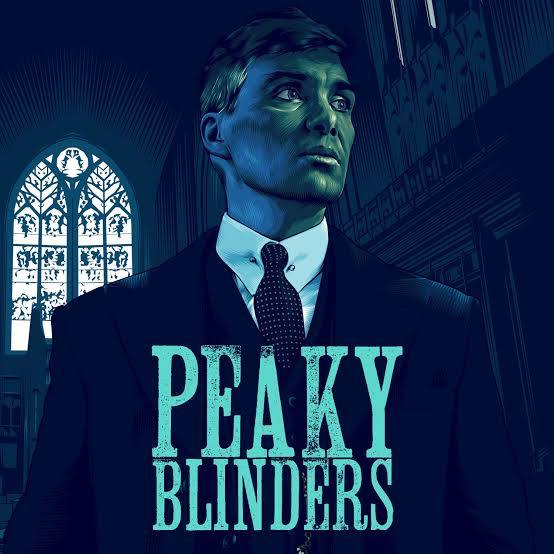
Originally produced for the UK’s BBC and later finding a massive global audience through Netflix, the series quietly grew from a British period drama into a worldwide streaming phenomenon.
Created by Steven Knight, the show follows the rise of the Shelby crime family in post-First World War Birmingham. What begins as a gritty street-gang story gradually expands into a sweeping narrative about ambition, politics, power and survival.
At the centre of the saga is Thomas Shelby, portrayed with extraordinary depth by Cillian Murphy. The casting of Murphy is widely regarded as perfect for the role. With piercing eyes, restrained dialogue and an almost hypnotic screen presence, he transforms Shelby into one of the most unforgettable characters in modern screen storytelling.
Murphy’s brilliance lies in his restraint. He rarely shouts or performs theatrically. Instead, a quiet stare, a calculated pause or a subtle shift in expression conveys the emotional storms within the character. Beneath the ruthless gang leader is a war veteran carrying trauma, guilt and loneliness. Murphy captures this complexity with remarkable precision, making Thomas Shelby both terrifying and deeply human.
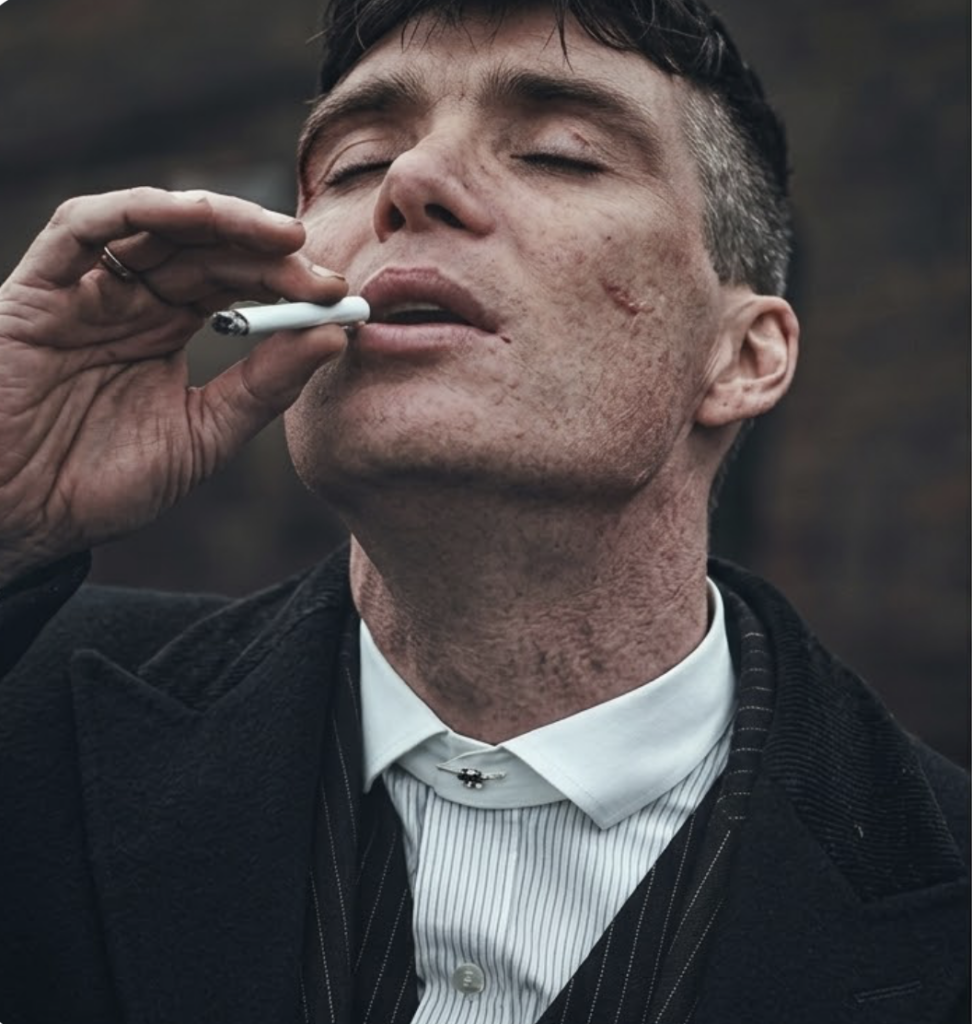
Beyond its central performance, Peaky Blinders stands out for its unfiltered portrayal of reality. The show does not romanticise crime. Instead, it exposes the harsh social conditions of early 20th-century Britain, from poverty and class struggle to political extremism and the psychological scars left by war.
The series also presents powerful female characters who hold their own within the Shelby empire. Polly Gray, played by Helen McCrory, is the strategic backbone of the family and one of the most formidable figures in the story. Women in the series shape decisions, influence power structures and challenge the rigid social norms of the time.
Across six seasons, the narrative grows dramatically in scale. What begins in the smoky streets of Birmingham evolves into a story involving political conspiracies, fascism and international criminal networks.
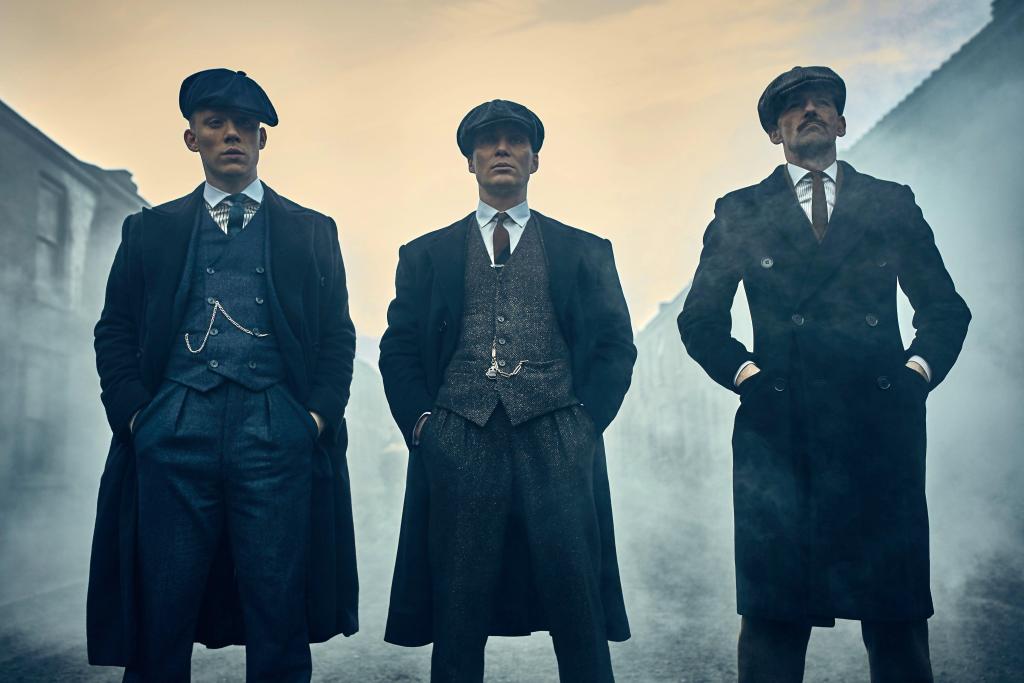
The series has also earned significant critical acclaim. It won the BAFTA Television Award for Best Drama Series in 2018 and multiple National Television Awards for Best Drama, cementing its reputation as one of Britain’s most celebrated modern shows.
Another defining feature of the series is its iconic music. The show’s opening theme, Red Right Hand by Nick Cave and the Bad Seeds, became instantly recognisable and widely associated with the Shelby universe. Combined with a powerful soundtrack featuring artists such as Arctic Monkeys and Radiohead, the music helped shape the show’s dark, stylish identity and became hugely popular among fans.
And the Shelby story is not over yet.
In fact, its legacy is unfolding right now. The long-awaited feature-length continuation, Peaky Blinders: The Immortal Man, was released on March 6, 2026, bringing the Shelby universe from streaming screens to cinemas and giving fans a new chapter in the saga.
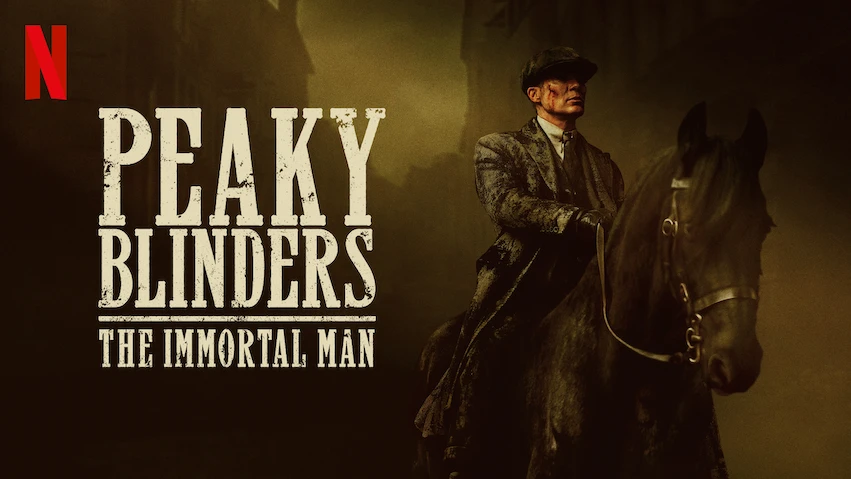
For viewers who have not yet stepped into this world, the timing could not be better.
Six gripping seasons are ready to binge on Netflix. A new film has just arrived in theatres. And at the heart of it all stands one of the most magnetic performances in modern drama by Cillian Murphy.
So if Peaky Blinders has been sitting on your watchlist for years, this weekend is your moment.
So, by order of the Peaky fookin’ Blinders, consider this your cue to finally step into the ruthless world of Thomas Shelby. Pour yourself a drink, clear your schedule and press the play button. Because when the Peaky Blinders give an order, you listen.