eNews
Vodafone bets big on AI with veteran’s promotion to digital HR chief

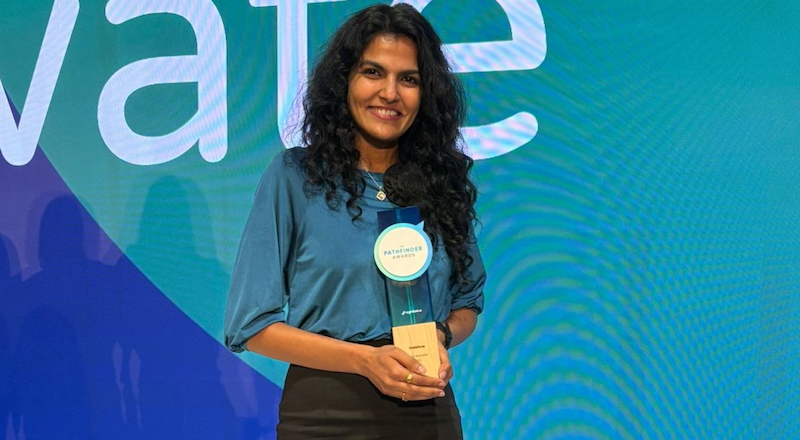
LONDON: Vodafone has elevated Purwa Rathor to global senior human resources product manager for digital and artificial intelligence, promoting a 17-year company veteran as the telecoms giant accelerates its push into AI-powered workplace solutions.
Rathor, who joined Vodafone in 2008, will spearhead the rollout of AI-driven HR technologies including Microsoft Copilot and experimental “agentic AI” assistants designed to handle everything from interview scheduling to maternity queries. The promotion marks Vodafone’s latest attempt to harness artificial intelligence for competitive advantage in an industry grappling with mounting cost pressures.
Her track record suggests the appointment is more than corporate window-dressing. As global candidate experience manager, Rathor delivered a 50 per cent reduction in cost-per-hire and time-per-hire, while boosting application rates by 80 per cent across 28 countries. She also improved diversity hiring by 34 per cent and lifted candidate satisfaction scores by 58 points.
The promotion comes as traditional telecoms operators face intensifying competition from digital-native rivals and pressure to slash operational costs. Vodafone’s bet on AI-powered HR automation reflects broader industry efforts to extract efficiency gains from back-office functions.
Rathor’s career spans from financial services training roles at ICICI Prudential and India Infoline to nearly two decades architecting Vodafone’s talent acquisition systems. Her experience navigating complex regulatory environments—including negotiations with German and Spanish works councils—may prove crucial as AI deployment raises fresh concerns about worker surveillance and algorithmic bias.
Whether Vodafone’s AI ambitions translate into sustainable cost savings or merely create new technological dependencies remains an open question. For now, the company appears willing to gamble on internal promotion over external expertise as it races to digitise its workforce operations.