I&B Ministry
Venkaiah Naidu gets additional charge of MIB; Manoj Sinha bags Communications portfolio

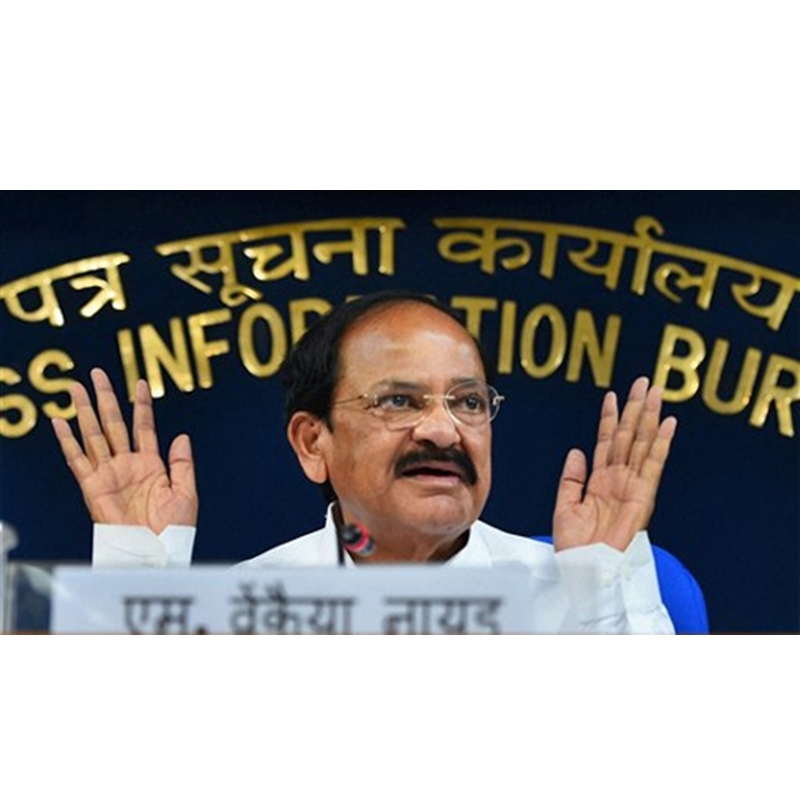
NEW DELHI: M. Venkaiah Naidu is the new boss for India’s media and entertainment sector at Ministry of Information & Broadcasting (MIB) as the senior minister replacing Arun Jaitley who continues to be country’s finance minister.
Similarly, there’s a new Communications boss at the Capital’s Sanchar Bhawan that houses one part of the Ministry of Communications & Information Technology (MoCIT). Manoj Sinha will hold independent charge of Communications portfolio in the bifurcated MoCIT.
Earlier MoCIT minister Ravi Shankar Prasad retains control over IT & Electronics departments in MoCIT, while being given additional charge of Ministry of Law.
Prime Minister Narendra Modi affected a reshuffle of his Cabinet on July 5, 2016, bringing in new people as senior and junior ministers and re-jigging portfolios of some existing ministers. With the induction of the newcomers, the council of ministers has been expanded to 78 members.
Both Naidu and Sharma, at the helm of crucial ministries, have additional responsibilities too.
While Naidu also holds charge at Ministry of Urban Development Housing and Urban Poverty Alleviation, Sharma too is a junior minister at Ministry of Railways.
Naidu will be accompanied at MIB by Olympics medallist-turned-politician Rajyavardhan Singh RathoreRajyavardhan Singh Rathore, who continues as the junior minister.
It remains to be seen how quickly the new ministers grasp complex issues such as digitisation, broadcast licences, content regulations, Net Neutrality, spectrum auctioning, while keeping pace with newer technologies being embraced by India’s media & entertainment and communications sectors.
Political observers of India’s complicated polity were divided in their opinion on whether the Cabinet reshuffle reflected talents been rewarded or people given ministerial berths with an eye on some up and coming State-level elections that are crucial for the nationalist BJP, which leads the government in New Delhi.