Cable TV
VBS 2019: Industry stalwarts discuss NTO second phase issues

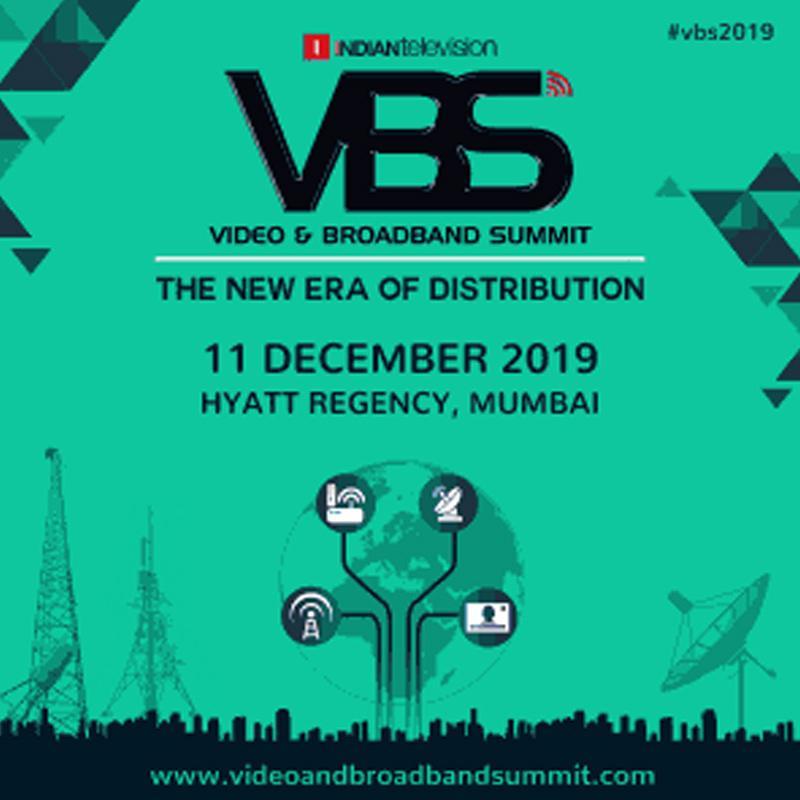
MUMBAI: The sixteenth edition of the Video and Broadband Summit (VBS) organised by Indiantelevision.com has brought together industry doyens under one roof to discuss and understand the impact of the new tariff order (NTO) on the television broadcasting and distribution sector. VBS 2019 marked the presence of leaders from DTH, cable and broadband, broadcast, regulatory bodies and technology segments to discuss the state of the industry, key issues and finding solutions.
Indiantelevision.com CEO, founder and editor-in-chief set the tone for the day with his welcome speech. "It is the best time for TV industry today. We are in the midst of uncertain times but uncertain times bring a lot of opportunities to build the business and explore the new way of building the cable-TV industry." He also emphasised on initiating a discussion on best practices, case studies on better execution and way forward towards a healthy television ecosystem.
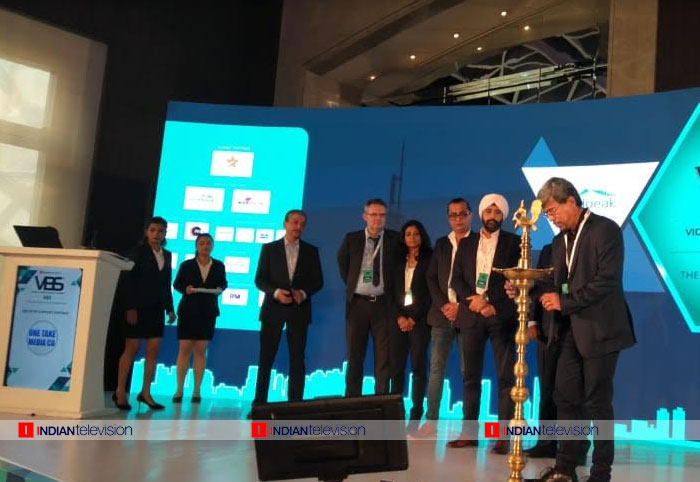
The one-day conference began with a special address by TRAI advisor Arvind Kumar. He briefed the audience on the reason behind releasing the consultation paper to review NTO within few months of the regulatory framework. He informed that the consultation paper is only to address some infirmities in the NTO and will not bring any fundamental changes to the regulatory framework.
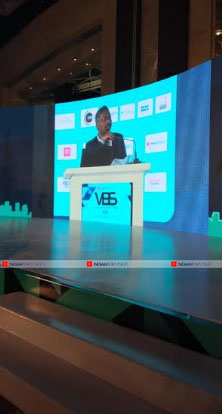
“Broadcasters should rest assured that the new consultation paper will not seek to decide their channel prices. The only objective of the new consultation paper is to open a debate on how the NTO is impacting the industry and to address some of the infirmities in the NTO. The main objective of the industry was transparency and to create a level-playing field for everyone. NTO has empowered the consumer by giving him choice,” he said.
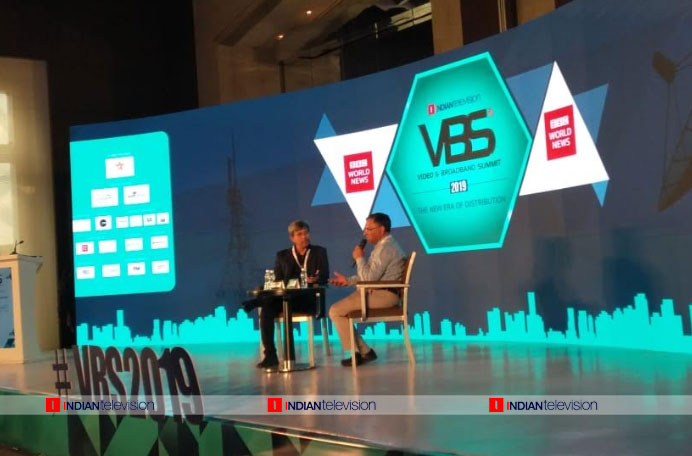
In a fireside chat with Anil Wanvari, JioFiber president Anuj Jain elaborated on the company's plan and partnership. He says, "Cable is a global technology and our intent is not to bring disruption in the market but add value to the industry. We have to see that television and OTT complement each other and the value that we bring is broadband. With broadband, we bring OTT content and voice services. There is enough space for everyone, there is nothing called overlap. "
The session was followed by BARC India’s presentation on ‘TV viewership trends-post NTO era’ by chief operating officer Romil Ramgarhia.
The first panel discussion of VBS 2019 focused on NTO-The future roadmap. The panel was moderated by Elara Capital VP- research analyst (media) Karan Taurani with panellists IndiaCast Media Distribution president Amit Arora, Star India Distribution distribution and international business president and head Gurjeev Singh Kapoor, Metro Cast Network India promoter Nagesh Narayandas Chhabria, The Remediation Company founder & partner Shyamala Venkatachalam ; IndusInd Media & Communications chief executive officer Vynsley Fernandes and GTPL Hathway vice president Yatin Gupta.
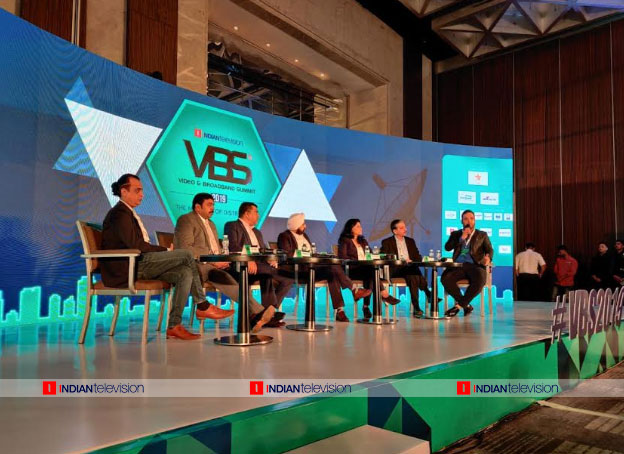
The objective of the NTO was to bring transparency, freedom of choice and level playing field in the industry. The panellists shared their perspective on the impact of NTO on the media and entertainment ecosystem, pricing, bouquet and ala carte price, and recently released consultation paper to review NTO. The panellists agreed that the dust of new tariff order has settled down but the NTO 2.0 period might impact pricing again. With the new consultation paper, Gupta expects that there would be price capping on bouquets and ala carte.
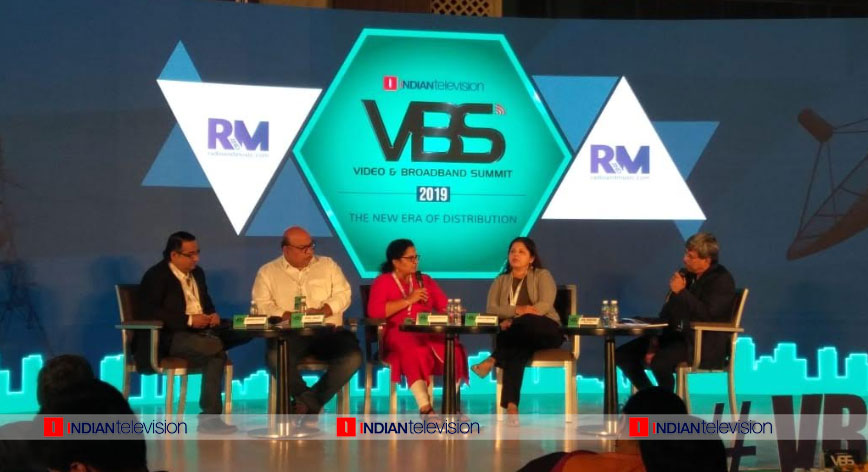
The next panel discussion highlighted the advertisers’ take on the dynamic pay-TV landscape and how AdEX is likely to fare going forward with more changes anticipated to NTO. The panel ‘The Advertisers’ View’ was moderated by Anil Wanvari. ITC Ltd head media and PR Jaikishin Chhaproo, Havas Media Group West & South managing partner Kunal Jamuar, Godrej Consumer Products VP and head media services Subha Sreenivasan Iyer and Madison Media vice president Vandana Ramkrishna were the panellists.
After that, Broadpeak business development manager Hervé Creff gave a presentation on ‘Keeping control of HDMI1 with Android TV operator Teir – the ‘super – aggregator’ approach’.

The first half of VBS 2019 successfully ended with a panel discussion on ‘Transforming the sector to fuel growth’. Elara Capital VP research analyst (media) Karan Taurani, Shemaroo Entertainment chief operating officer Kranti Gada, BBC Global News South Asia distribution head Sunil Joshi and PwC India media, entertainment and sports advisory –partner and leader Raman Kalra were the panellists. The session was moderated by SBICAP Securities equity research head Rajiv Sharma.
For more updates from post-lunch sessions stay tuned.