News Broadcasting
UTV’s Mehta predicts return of the aggressive woman on TV


MUMBAI: Tulsi is on her way out. Or so UTV director Zarina Mehta believes.
The next two years, said Mehta at a workshop on gender representation in media, will belong to comedy and the return of the aggressive heroine on television. “In the early days, we had the rebel female, so well typified by Shanti. From 2000 on, we were inundated with the wife with the adulterous husband, from where we progressed to characters with shades of grey (Saaya was a good example).
The last two years however, have belonged to the do gooder Tulsi and Parvati stereotypes, says Mehta. The last two years have also seen the straitjacketing of female characters, both in terms of clothes and moral values. “The heroine has constantly been under the magnifying glass,” she says.

Soaps like Kyunki and Bhabhi, on the other hand, have ridden the crest of the wave as they have struck an emotional chord with viewers, for want of better choice. The elderly, for want of company, are increasingly left alone with the television and derive satisfaction in viewing serials where the grandparents enjoy benefits they don’t in real life, points out Mehta.
Countering criticism of soaps that play out ideal families, Mehta cites the example of UTV’s Kehta Hai Dil, a weekly on Star Plus that started out with a storyline replete with realistic characters including a career oriented doctor with a policeman for a husband. The plot didn’t work and the TRPs faltered till the production house turned the storyline around and converted into a family drama.
Mehta however believes that television changes radically every two years and that the tide is turning in favour of more comedy and the aggressive heroine again. “Our research during 2000-2002 showed that women believed that they would like to be like Tulsi, while conversely, men wished their wives could like Tulsi, but knew that they weren’t.







News Broadcasting
Rajesh Sundaram joins NDTV Profit as senior editor, assignment
The 32-year newsroom veteran has launched channels on three continents and covered everything from 9/11 to South African television
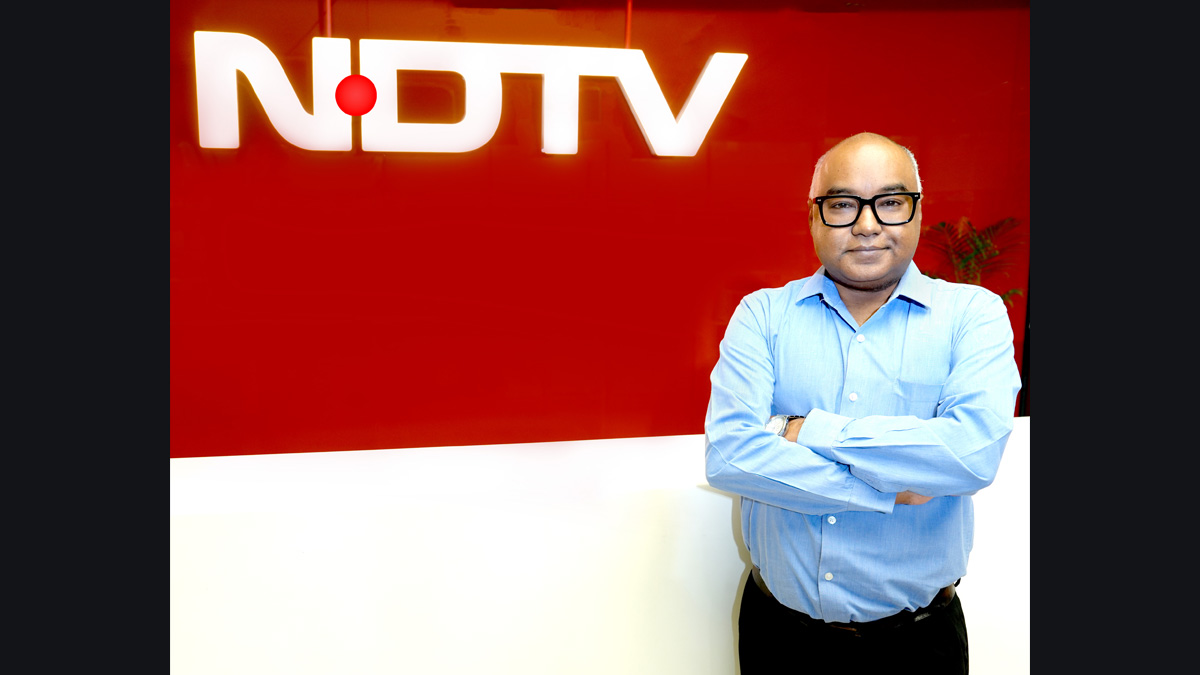
MUMBAI: NDTV Profit has bolstered its newsroom with a hire who has done rather more than most. Rajesh Sundaram, a journalist with over three decades of editorial, managerial and consultative experience across India and international markets, joins as senior editor, assignment, tasked with sharpening the network’s newsgathering and real-time response.
Sundaram’s career reads like a tour of Indian media’s most formative moments. He began at Businessworld in 1994, moved to Zee News as bureau chief across Mumbai and Chennai, then joined NDTV in 2002 as part of its political bureau during a particularly febrile period in Indian politics. A stint as India correspondent for Al Jazeera International followed, where he covered key geopolitical developments and got his first serious taste of the global newsroom.
What sets Sundaram apart, however, is his serial channel-launching habit. At NewsX, he helped get the operation off the ground. At Headlines Today, part of the India Today Group, he served as editor. At News Nation, he helped launch the Hindi news channel and its digital ecosystem. He then crossed continents to lead the launch of ANN7 in South Africa as editor-in-chief, overseeing both television and digital. Back in India, he launched Tamil news channels News7 Tamil and Cauvery News, and later served as principal consultant for the launch of Marathi channel Lokshahi. Most recently, he helped build and lead the Press Trust of India’s video service and content studio, before stints consulting for Business Today and The Himalayan Times.
Rahul Kanwal, chief executive and editor-in-chief of NDTV, left little doubt about what Sundaram is expected to deliver. “The assignment desk is where a newsroom’s intent becomes action,” he said. “Rajesh brings a rare combination of field experience and leadership in building news operations at scale.”
Sundaram has reported from across India and the world, covering elections, civil conflicts, the aftermath of the 9/11 attacks and the 2008 US presidential election.
At NDTV Profit, he will lead the assignment desk, driving editorial coordination and real-time response across markets and breaking developments. For a business news network sharpening its focus on speed and multi-platform delivery, it has hired a man who has built newsrooms from scratch on three continents. The assignment desk is in good hands.







