iWorld
UTStarcom enters into contract with BSNL to help new generation networks


NEW DELHI: UTStarcom has announced a $24 million contract with Indian telecoms BSNL to supply multi-service access network (MSAN) equipment and support design, engineering and installation.
The public-sector company, BSNL is upgrading its network to offer next generation multi-media services to its customers and this entails migrating existing PSTN/ISDN customers to next generation network (NGN) to enable supplementary services using Internet Protocol (IP) along with basic telephony.

The upgrade will cover broadband lines for a wide swath of residential and enterprise customers across western and northern regions of India that include large urban centers such as Haryana, Rajasthan, Gujarat, Madhya Pradesh, Uttar Pradesh, Uttarakand and Chattisgargh.
Recently, the Chinese telecom network vendor Huawei announced its NGN switch deal with BSNL to migrate its traditional telephone exchanges to IP based NGN. The IP transition will be in phases and will cover all major telecom circles of BSNL.
As part of the NGN deal, BSNL will migrate four million existing PSTN subscribers to IMS platform and offer next generation services besides voice, such as video, IPTV, IP-Centrex and MMVC. One million lines will be replaced in Phase-1 and 3 million lines in Phase-2 to migrate existing four million PSTN subscribers to IMS (IP Multi-media Subsystem) platform.
UTStarcom is working with Indian government-owned telecom equipment vendor ITI for the BSNL network upgrade.
BSNL chairman and MD R K Upadhyay said: “UTStarcom has been a reliable partner in the past, and we have deployed a large number of their broadband access products on our network.”
UTStarcom India claims that it already holds 35 percent share for broadband Internet network equipment.”
There are approximately 15 million wireline broadband customers in India, of which UTStarcom has supplied more than six million DSL ports.
UTStarcom’s customers in India include telecom service providers, such as Bharti Airtel and Tata Communications.
Recently, UTStarcom launched a major sales and marketing initiative to promote its latest broadband products to carriers in the Americas, Europe and Asia Pacific.






iWorld
OpenAI hits back at Elon Musk’s lawsuit ahead of trial
Company calls claims “baseless” and accuses Musk of trying to disrupt a rival.
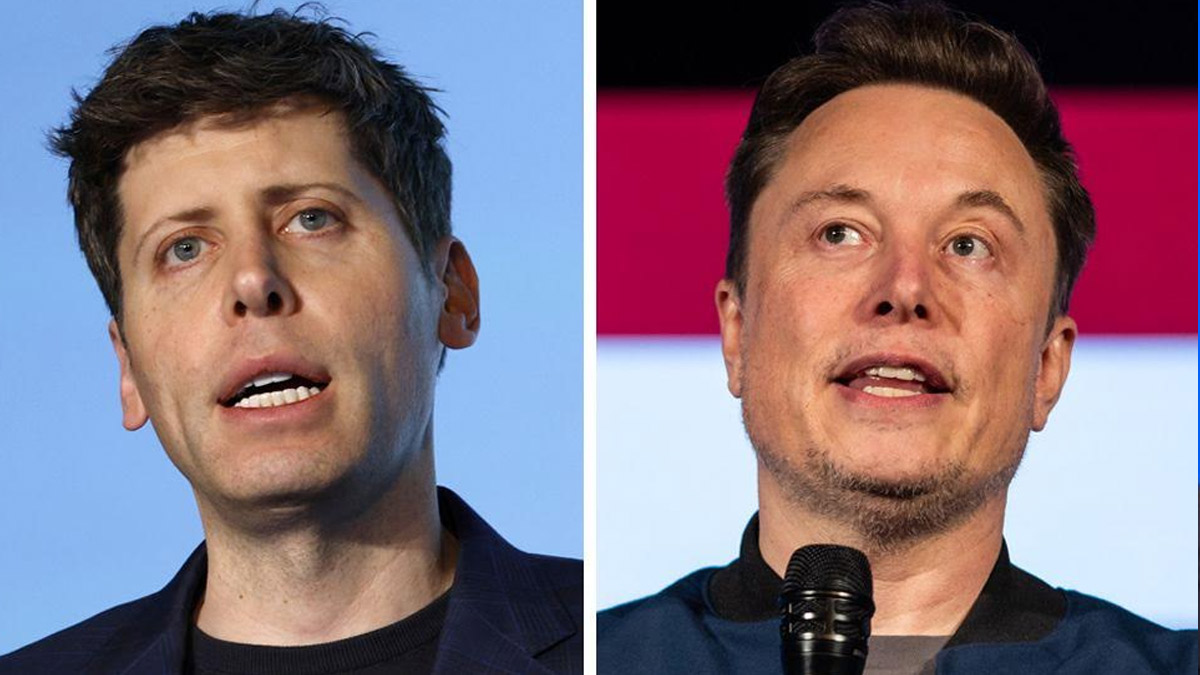
MUMBAI: When the stakes are measured in billions and egos are involved, even Silicon Valley titans can turn a courtroom into a battlefield. OpenAI has issued a sharp public response to Elon Musk’s ongoing lawsuit, accusing the billionaire of filing the case to harass a competitor rather than address genuine concerns. In a strongly worded statement shared on its official X account, OpenAI described Musk’s allegations as “baseless” and suggested the lawsuit is an attempt to disrupt the company as the case heads toward trial later this month in Oakland, California.
The response comes after Musk’s legal team recently amended the complaint, proposing that any damages potentially exceeding $150 billion should go to OpenAI’s nonprofit entity rather than to Musk personally. OpenAI questioned the timing and motive behind this change, calling it a late-stage attempt to “pretend to change his tune” on the nonprofit structure.
The company further labelled the lawsuit a “harassment campaign”, arguing that Musk’s actions are driven by personal rivalry, ego, and a desire for greater control and financial upside.
At the heart of the dispute is Musk’s claim that OpenAI has abandoned its original nonprofit mission of developing artificial intelligence for the benefit of humanity. A co-founder who left in 2018, Musk is seeking governance changes, including the removal of CEO Sam Altman from the nonprofit board, and the return of certain financial gains linked to Altman and President Greg Brockman.
OpenAI has firmly rejected these allegations, maintaining that its current hybrid structure, a public-benefit corporation overseen by a nonprofit parent remains true to its long-term goals. The company has also previously accused Musk of anti-competitive behaviour aimed at weakening its leadership.
As the case prepares for a jury trial, this public exchange highlights the deepening rift between two of the most influential figures in the AI revolution and raises broader questions about governance, mission, and power in the fast-moving world of artificial intelligence.
In the high-stakes game of AI, it seems the real drama isn’t just inside the models, it’s playing out in courtrooms too.






