eNews
US hails Indian progress in Internet, cyber security

NEW DELHI: India and the United States are setting up sub working groups on priority areas to provide a mechanism for continued engagement in the areas of Internet of Things, Standards and Electronics and Internet governance.
They also resolved to hold digital video conferences to discuss Government procurement practices of ICT goods and services, policy issues for unmanned aerial vehicles, and e-commerce.
These decisions were taken at the meeting of the United States-India Information and Communication Technology (ICT) Working Group which promotes development of the ICT sector here on 27 September 2016. The participants decided to hold the next ICT Working Group in 2017 in Washington, D.C.
The United States congratulated India on its tremendous progress in becoming the world’s second largest population of Internet users and the world’s fastest growing Internet user base.
The participants noted that the Working Group aims to strengthen collaboration between the governments and private sector of the two countries in the field of ICT.
Marking the occasion, the sides reviewed the deepening strategic partnership between India and the United States and their commitment to empowering citizens of both nations through increased access to the Internet and a thriving digital economy.
Both sides discussed the accomplishments of the Digital India Programme in transforming India into a digitally empowered society and a key stakeholder in the knowledge economy.
The two sides also discussed the Global Connect Initiative, launched by the US Department of State, to connect the next 1.5 billion people to the Internet by 2020. Participants resolved to continue collaboration with an aim to advance the goals of the Digital India Programme and the Global Connect Initiative.
Separately on 28 September, the two sides held discussions on cyber security, where the aim is to affirm the common objectives in international cyber fora, especially the application of international law to state behaviour in cyberspace, the affirmation of norms of responsible state behaviour, and the development of practical confidence-building measures. The two countries decided to hold the next round of the Cyber Dialogue in Washington in 2017.
The Cyber Dialogue is a forum for implementing the framework for the India–US cyber relationship.
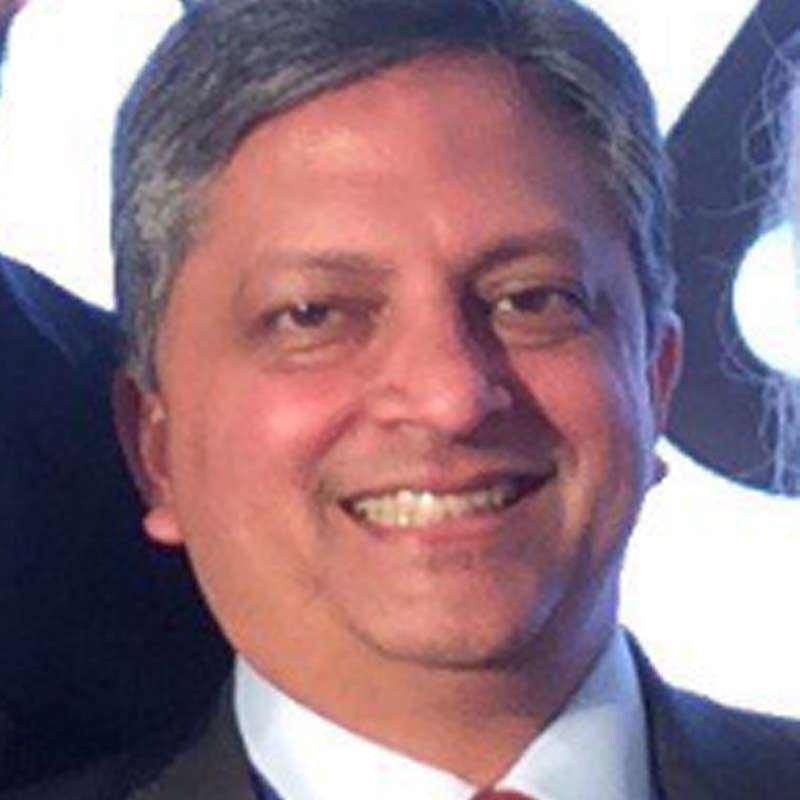
The whole-of-government Cyber Dialogue, fifth in the series, was led by the US National Security Council Senior Director for Cyber Policy Samir Jain (in the pix) and India’s External Affairs Ministry Joint Secretary for Policy Planning and Global Cyber Issues Santosh Jha. The Department of State Coordinator for Cyber Issues Christopher Painter and the National Security Council Secretariat Joint Secretary Abhimanyu Ghosh co-hosted the Dialogue.
Some other American and Indian government organisations too participated in the discussions.