iWorld
Urban-rural internet experience gap needs bridging: Gaurav Malik


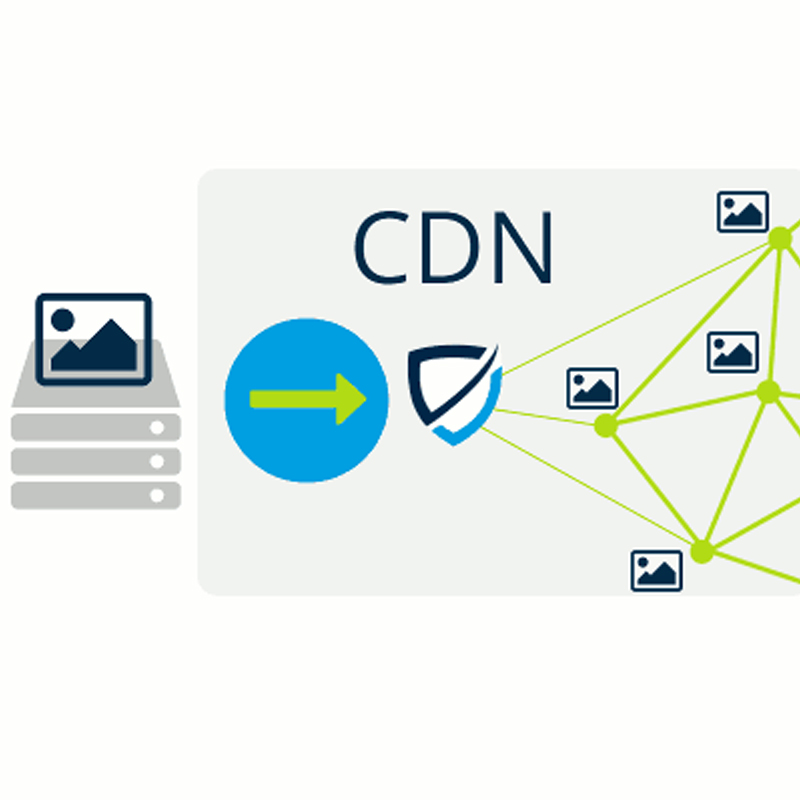
MUMBAI: The digital savvy generation not only yearns for good content but also a seamless viewing experience. A few seconds of latency or buffering can push the user to switch to other platforms. Thus media companies, especially OTT platforms, are integrating with content delivery networks (CDN), content management systems and cloud platforms increasingly to improve efficiency. Though CDN is not strictly limited to video transmission, Limelight Networks country director Gaurav Malik thinks the demand for CDN in India is primarily driven by video proliferation.
Consumers have endless option for online video content. Starting with international players like Amazon, Netflix to local players like ZEE5, SonyLiv, Hotstar, Voot and YouTube also can’t be forgotten. Hence longer loading time can lead to higher churn rate, smaller base along with decreasing ROI and loss of consumer confidence.
For Limelight Networks, the global player in digital content delivery with 19 offices across the Americas, EMEA and Asia Pacific, the Indian market definitely holds a special position. Malik thinks not only Limelight but also the entire CDN market is being benefitted by rising OTT Consumption. Moreover, CDN’s role becomes more prominent when it comes to OTT consumption in rural areas.
Though the demand for online video content has rapidly grown in rural areas, infrastructure in the areas still now lacks proper development. While the rural audience predominantly uses feature phones, that also under dissimilar network conditions, sometimes OTT platforms cannot offer the video formats supported by those devices. Moreover, the geographical distance of a device from the data centre can also cause video lag.
“CDN players store every media file across their data centre as well as globally-distributed proxy servers. They then transmit this media file in the most ideal format after detecting the user’s device configuration. This is also done through a proxy server that is closest to the user, thereby preventing delays in transmission,” Malik comments explaining the importance of CDN players for seamless content delivery across the country.
While talking about rural internet consumption, he highlights another important point that the internet experience for urban and rural users differ vastly, resulting in an urban-rural digital divide. “This gap needs to be bridged,” he said.
“As such, the simultaneous growth of OTT platforms and CDNs have enabled the Indian online content market to expand massively during a short period of time, surmounting these challenges and enabling an optimal consumer experience,” he said.
Consumer dissatisfaction can lead to more crucial problems like piracy along with increasing churn rate. Addressing common issues like poor video quality and lag, the problem can be countered to some extent. This aspect makes the role of CDNs more significant in the issue of curbing piracy by offering simplified video sharing and streaming video delivery.
As the CDN market is growing, more players are also seizing opportunities. Akamai is one of the main competitors of Limelight in the video content delivery vertical and website acceleration vertical while the former entered the market early. On the front of cloud origin storage, Amazon’s S3 is the prime competitor of the company.
Over last few years, India’s technological scenario has got better and better but cybersecurity still now remains one of the major areas of concern. While the tactics, techniques, and procedures (TTPs) of cyber attackers are becoming more advanced as they are beginning to leverage sophisticated technologies, an average user in India is often not even familiar with the most basic cyber attacks.
“We believe that information regarding cyber attacks, including the simplest of attacks, must be proactively shared to help each other in countering this prevailing cyber threat. There is also a ubiquitous need for a more concerted effort, including infrastructure building by the larger ecosystem to ensure greater digital security of users. From a technological perspective, the geographical distances between servers and users are also an area of opportunity,” he commented on the issue.