Content Hub
“Unlike the west, we don’t have developed comedy genre”: Anooj Kapoor

MUMBAI: Think you can tell great stories? If yes, then here is your chance to meet the best from the industry and learn from them.
The growth of the visual medium, from traditional television to online short format content to mobile TV content, has changed the way it is created and especially how it is consumed. Now, more than ever before, there is a constant need for new and exciting content, and as a result, a requirement of dynamic creators and scriptwriters.

Bringing together writers, creators, producers, artistes and broadcast executives, both for TV and digital, Indiantelevision.com’s Content Hub aims to bridge that gap.
The initiative is aimed at established professionals, newbies and anyone who is keen on taking the plunge into the fascinating world of writing, producing and creating for television and the digital space.
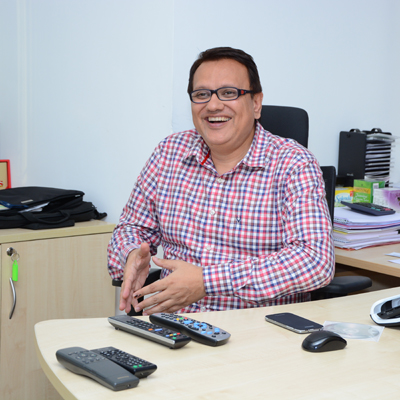
In the first of the series, indiantelevision.com profiles a broadcaster, which has never shied away from taking risks that too in the space of comedy. Sab sr EVP and business head Anooj Kapoor talks about the scope of Indian content going international, the different kind of concepts the channel is looking for, the demand for good story tellers and much more.
Sab, the only channel dedicated to comedy has given viewers popular shows like Taarek Mehta Ka Ooltah Chashmah, Chidiya Ghar, F.I.R and Lapataganj. But according to Kapoor it wasn’t an easy journey.
He says that unlike the west, it is very difficult to create comedy in India. “Sab has become the first dedicated comedy channel on the Indian television space and that has only happened in the last five years and therefore we have to make do with whatever restricted but very talented bunch of people that are present in the comedy genre in television. Therefore, yes, it is difficult to tell interesting stories in the genre of comedy,” he pin points.
Moreover, since it taken upon itself the challenge of doing daily comedies, the task has become doubly difficult. “However, not only are we able to sustain the channel with good quality content albeit with a very restricted talent pool but at the same time through our marketing initiatives like Chai Pe Chutkule we are trying to source fresh talent and expand the talent base. I hope that as we go along not only do we grow as a channel, not only does comedy grow as a genre but also the talent pool of comedy writers, actors, directors and producers also increases,” states Kapoor.
To further engage with the audience and give them some little more of entertainment, it tried its stint with stand-up comedy with Tu Mere Agal Bagal Hai which ran for 60 episodes and got a decent response from the viewers.
The channel can also be credited for bringing paradigm shift in Indian content, moving away from melodrama to light hearted family entertainment. “And, within that, the fact when the rest of the GECs were talking about the negatives of the joint family system, Sab was talking about the positives of the joint family system,” explains Kapoor.
He further goes on to say that in the recent times, more and more general entertainment channels (GECs) have realised and recognised that the saas-bahu genre is passé and therefore one sees a lot more new and fresh themes now being tried across other channels.
Is there some fatigue setting in comedy? Kapoor reverts saying that on Sab, he ensures that whenever a fatigue is setting on a comedy show, it is immediately replaces it. “This is why we have a robust product line up and as well as, perhaps, one of the few channels in the television space which launches fresh programs at regular intervals,” says Kapoor.
Kapoor believes, the Indian content definitely has the potential to go international. The channel’s show Gutur Gu, a silent comedy, first of its kind produced on Indian television was successfully sold at last year’s Mipcom in Cannes to several countries.




Mumbai: Exploring the shift from regional to national content, this synopsis delves into the trends and challenges. It navigates the transformation, analyzing industry dynamics, emerging trends, and the hurdles faced. From preserving regional variation to adapting to a broader audience, it examines the multifaceted journey of regional content evolving into a national narrative. In what ways do the emerging trends and challenges influence the dynamics of the entertainment industry during this transition? How can creators navigate these changes effectively? What strategic approaches can content creators adopt to strike a balance between maintaining regional identity and fostering a cohesive national narrative in their work? How can the transition from ‘regional’ to ‘national content’ impact cultural diversity within the entertainment industry, and what measures can be taken to ensure the preservation of regional variation?
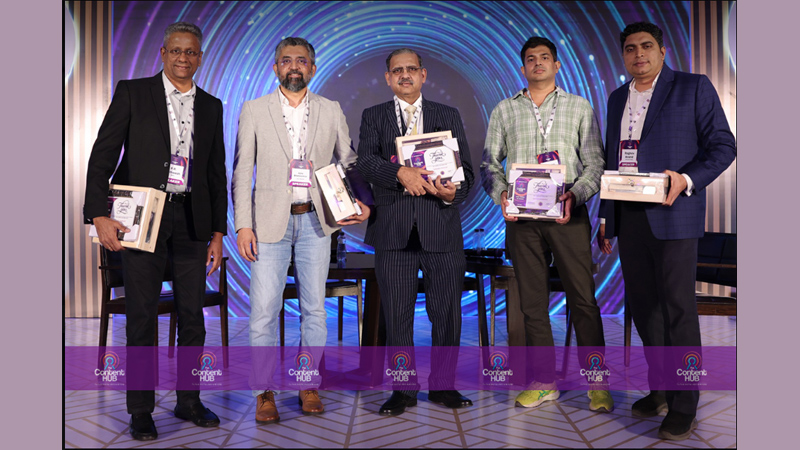
In a rapidly evolving media landscape, seasoned industry professionals have offered valuable insights into the transformation of content consumption and production. The session was chaired by Ernst and Young partner Raghav Anand, MMTV chief executive officer P.R. Satheesh, Sony Marathi business head Ajay Bhalwankar, PTC Network chairman & MD Rabindra Narayan, Shemaroo Entertainment COO, Digital, Saurabh Srivastava esteemed voices in the field, have articulated their perspectives on the burgeoning shift towards globalised content.
Rabindra Narayan emphasised the dissolution of regional boundaries in content consumption, attributing it to the accessibility facilitated by global platforms and connectivity options. He predicts a future where language barriers will fade, citing the potential of technology to clone and adapt voices, thus enabling seamless localization across languages.
Saurabh highlighted the democratisation of content creation in the digital era, underscoring its empowerment and revenue potential, particularly in linguistically diverse markets like India. He emphasizes the value of culturally rooted storytelling in filling gaps in content supply, with technology enabling effective monetization, especially through OTT platforms.
Ajay Bhalwan sheds light on the evolving landscape of Hindi and regional language content, noting a significant shift where a substantial portion of content on Hindi film channels originates from regional languages. He accentuates the importance of language in enhancing authenticity and audience engagement, exemplified by the strong resonance of Marathi content in Maharashtra.
PR Satheesh underscored the paramount importance of content quality in driving viewership and transcending language barriers. Drawing parallels with the global popularity of Korean dramas, he advocates for leveraging technology, including AI and real-time translations, to enhance content creation and distribution.
These insightful perspectives collectively echoed the industry’s adaptation to a globalised content landscape, where technology catalyzes innovation and accessibility. As content continues to evolve, these experts offered valuable guidance on navigating the dynamic media landscape and maximizing the impact of storytelling in diverse markets worldwide.






