iWorld
Truecaller finally cracks real-time caller ID for iPhones globally


MUMBAI: Looks like Christmas came early for iOS users this year. What’s the most annoying thing about phone calls? Spam, right?.
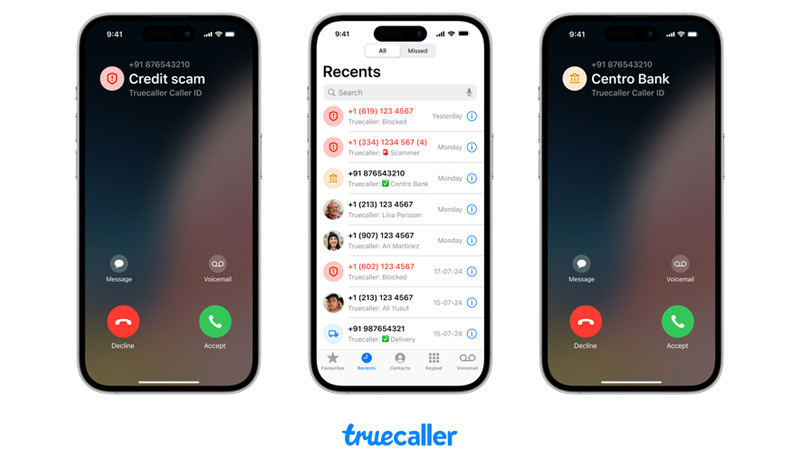
Well worry not because, Truecaller has rolled out its biggest-ever update for iPhone users, bringing real-time caller ID and spam-blocking features to iOS devices running version 18.2 or newer. Finally, iPhone users can enjoy the full power of Truecaller’s spam protection, levelling the playing field with Android.
Powered by Apple’s Live Caller ID Lookup framework, this update enables iPhones to deliver Truecaller’s hallmark features—real-time caller identification and spam-blocking—using state-of-the-art homomorphic encryption. Truecaller is the first app globally to deploy this technology at scale, ensuring robust privacy while delivering unmatched functionality.
Truecaller’s CEO Rishit Jhunjhunwala shared his excitement, “We are excited to bring the full power of Truecaller to iPhone. We see tremendous potential and growth in our iPhone user base, and parity with Truecaller’s Android experience has been top of their wishlist. This update does that and more while preserving privacy for all calling activity.”
Truecaller, a pioneer in filtering unwanted communication for 15 years, has harnessed its latest AI capabilities and a vast global database to identify as many calls as possible. Whether it’s spam or a number you forgot to save, Truecaller now ensures no call goes unidentified—ever.
But there’s more:
. Automatic spam blocking: Users can now stop spam calls automatically, a long-requested feature.
. Search history improvements: Look up previously identified calls, even going back up to 2,000 numbers in the Recents list.
. Family Premium Plan: Share all Premium benefits with up to four additional people at an affordable monthly or annual price.
To unlock the magic:
1. Ensure your iPhone runs Truecaller version 14.0 or later.
2. Open Settings > Apps > Phone > Call Blocking & Identification.
3. Enable all Truecaller switches, then open the app to start identifying calls instantly.
Premium subscribers will enjoy all the latest features, while free users will continue to access ad-supported number searches and caller IDs for Verified Businesses. The new auto-blocking and live caller ID features are rolling out globally starting today and will be available to all users within days.
For years, iPhone users clamoured for Truecaller parity with Android. This update not only meets their expectations but surpasses them with cutting-edge technology, seamless usability, and uncompromising privacy.
Ready to reclaim your peace from spam calls? Enable Truecaller today and enjoy uninterrupted, hassle-free communication.