News Broadcasting
“Traditional media in India is also experiencing a steady growth”: Kevin Vaz

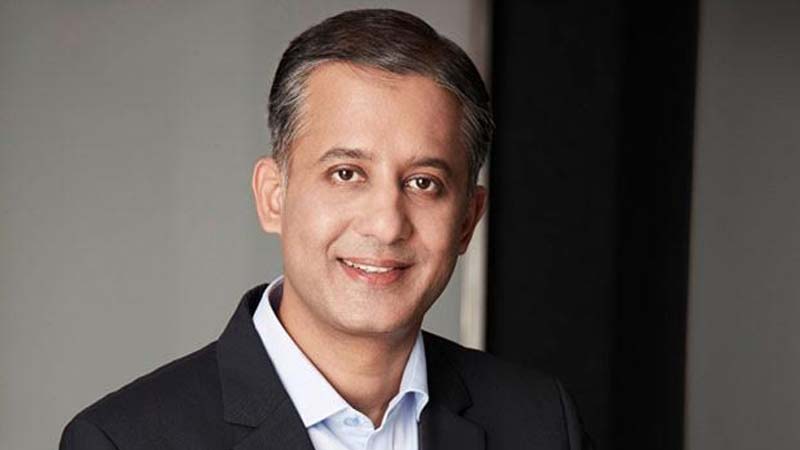
Mumbai: Viacom18 CEO- Broadcast entertainment Kevin Vaz reflected on the Media & Entertainment sector, both on a global scale and within the Indian context at FICCI frames 2024 event. He said, “In 2023, our industry witnessed a remarkable era of content creation, with over 200,000 hours of content produced annually. Indian content has transcended international boundaries, captivating audiences in more than 160 countries and topping streaming charts on global platforms. In 2023, Indian content bagged not one but two Oscars for the best song and the best documentary respectively. Indian music talent has bagged 3 Grammys recently. 2 Indians (Vir Das And Ekta Kapoor) won the prestigious International Emmy’s awards. This shift indicates a new era where local flavors and stories are embraced by audiences worldwide, showcasing the universal appeal of Indian stories and our storytelling.
The integration of digital technologies in the Indian M&E industry is at a scale without parallel amongst the comity of nations. Driven by accessible and affordable internet, with Commercial 5G services rollout propelling the growth of India M&E, we must recognise the virtuous cycle of investments in creativity that drive the expansion of affordable internet in India. We can be proud of the fact that Indian companies, Indian creators, Indian producers, are at the forefront of the digital content revolution, be it in films, music or gaming.
Platforms like JioCinema have revolutionized sports viewership in India, offering accessible and affordable access to live matches like the IPL. This goes to show the importance of internet accessibility in driving the growth of the M&E industry. Unlike other industries, M&E has caught the digital transformation wave early and stand ready to reap the benefits with supportive developments in the all-critical triad of infrastructure readiness, consumer market growth, and enabling public policies.

The surge in digital media is forecasted to propel the M&E sector’s growth to a 10% annual rate, reaching INR 3 Trillion by 2026. Technological innovations have brought with it a paradigm shift in consumer preferences. Consumers now demand more personalised, interactive, and immersive content. This creates another facet to the growth of the entire digital media segment, including online curated content, digital advertising, online gaming, to name a few. Each of us need to reflect on how these preferences will change the way we think about the future of M&E, and the business models that are most suited to respond. To navigate the future, all of us at various intersections of the industry need to adopt innovative strategies and create engaging content across multiple platforms, leverage big data analytics, collaborate with global partners, and explore new revenue streams.
Despite this digital boom, traditional media in India is also experiencing a steady growth, showcasing India’s diverse media consumption habits. While this might appear to be a paradox when viewed through a singular global lens, this is the truth of India – a market of AND, not OR.
As we reflect on the journey of 2023, it becomes clear that it was a year marked by both challenges and triumphs. The first half was subdued, with modest growth rates across various segments of the industry. However, as raw material prices stabilized and marquee events like the ICC Cricket World Cup and Assembly Elections unfolded, we witnessed a significant uptick in the second half. And while the M&E industry is estimated to grow at 10% CAGR through the next few years led by digital, traditional mediums such as Television and print are also poised to grow.
This growth underscores the enduring appeal of linear TV, particularly among established advertisers who value its unmatched brand-building capabilities at scale. It’s essential to acknowledge the continued significance of traditional media, including television, print, and outdoor advertising, in reaching diverse audience segments, especially in regional markets.
The road ahead for the industry is brimming with possibilities and challenges alike. The integration of artificial intelligence promises to reshape the landscape of content creation, distribution, and consumption. Particularly generative AI, which is now an inexorable part of M&E supply chains. Advances in generative AI, while still relatively nascent, have produced an explosion of possibilities in the creative sector. It has ushered in a new dimension to the creative process, allowing the industry to explore uncharted territories of creativity and push the boundaries of productivity.
As AI technologies continue to evolve, they offer unprecedented opportunities for personalized experiences and targeted advertising. However, this next-gen transformation also presents challenges such as data privacy concerns, reskilling and the need for ethical considerations – concerns that the industry and government together need to explore and address.
Amidst these dynamics, the industry must also address the pressing need for stronger intellectual property rights protection to safeguard the integrity of our creative ecosystem. The proliferation of digital platforms and content creation tools has exponentially increased the avenues for creative expression, yet it has also heightened the risk of copyright infringement. Strengthening our IPR laws is essential to foster a conducive environment for innovation and creativity while ensuring fair compensation for content creators. The National Intellectual Rights (IPR) Policy, established in 2016, is due for review. This presents an occasion for all of us to engage on how we think about monetisation, commercialisation of content as well as the protections required for it, in a fast-evolving technological environment.
The road ahead encompasses both opportunities and challenges in equal measure. As we navigate this complex landscape, as stakeholders of this vibrant sector, we must all remember that at the heart of it, our industry is about our consumers in a very human sense – their emotions, relationships, talents – their stories. All of us here today are simply facilitators – connecting stories to audiences and audiences to stories.
As we begin FICCI Frames 2024, I look forward to the next three days filled with enlightening discussions, insightful sessions, and meaningful collaborations. Let us seize this opportunity to chart a course towards a future that embraces innovation, leverages technology, and upholds the timeless values of creativity and expression.
Finally, I’d like to express my gratitude and admiration for Leena Jaisani and her team for putting FICCI Frames 2024 together. This is the 24th edition of India’s biggest media and entertainment symposium and it just keeps getting bigger and better. So kudos to the team for scaling this up consistently!” he concluded.




News Broadcasting
News18 India launches Command Centre war explainer with Arya
New show shifts from debates to decoding global conflicts and impacts
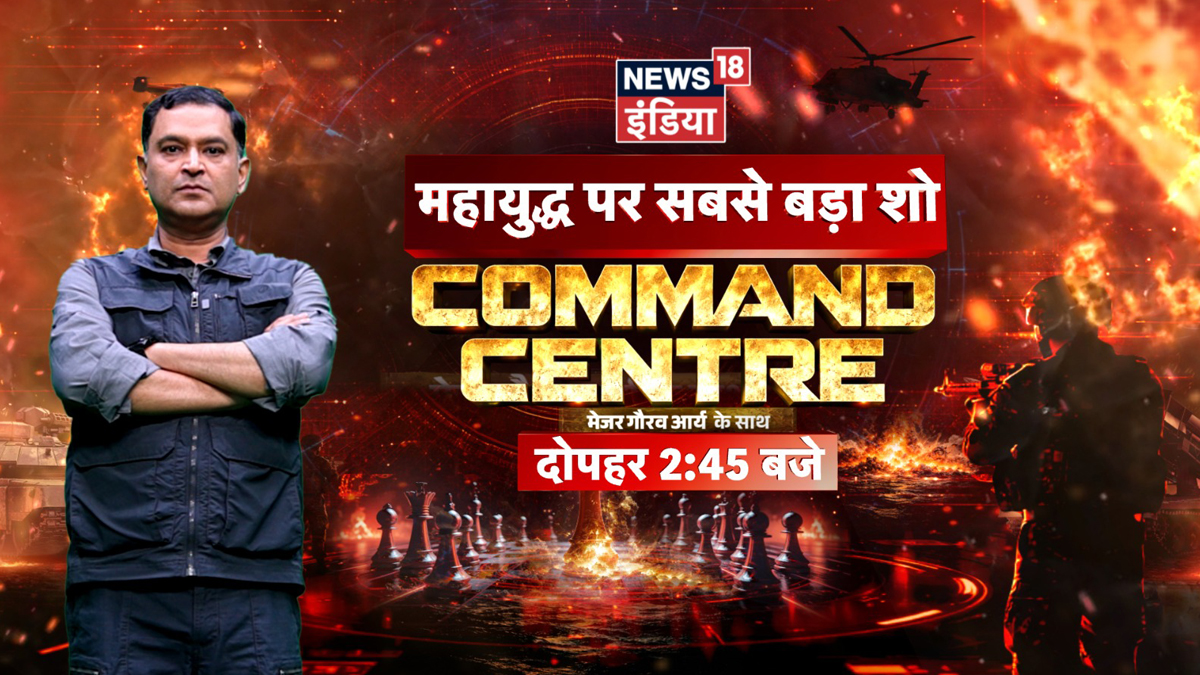
MUMBAI: News18 India has rolled out a new war-focused programme, Command Centre, featuring Gaurav Arya, as it looks to offer viewers a sharper, more grounded take on global conflicts amid rising tensions in West Asia.
Positioned as an “insider war room”, the show moves away from conventional panel debates and instead focuses on explaining military developments, decoding strategy and connecting global events to their everyday impact, from fuel prices to economic shifts.
The format leans heavily on visuals and data. The studio has been designed like a command hub, complete with large LED war maps, real-time graphics and an alert system to track developments as they unfold.
At the centre of it all is Arya, who brings his military background to simplify complex war strategies for viewers. His signature line, “Seedhi baat samjhiye”, anchors the show’s promise of clarity over noise.
News18 India managing editor Jyoti Kamal said, “Command Centre, featuring Major Gaurav Arya is designed to deliver accurate insights and a clear perspective on how evolving conflicts impact everyday life, from household budgets to national security. With expert voices analysing every development in real time, the show goes beyond headlines to decode what’s happening now, what it means, and what could come next.”
Echoing the intent, Gaurav Arya added, “In times of war, confusion is the biggest threat. With News18 India’s Command Centre, we are bringing viewers inside the war room, decoding strategies, tracking every escalation, and explaining, in the simplest terms, what it means for India and for every household. Seedhi baat samjhiye, this is where you understand not just what is happening, but what happens next.”
The weekday show will air in the afternoon slot and will also feature Gaurav Shukla, adding to its editorial depth.
With its mix of analysis, visuals and a clear focus on impact, the show reflects a broader shift in news consumption. Viewers are no longer just watching events unfold, they are looking to understand what those events mean for them.







