Content Hub
Top TV producers weigh in on OTT challenge, formats & IP rights

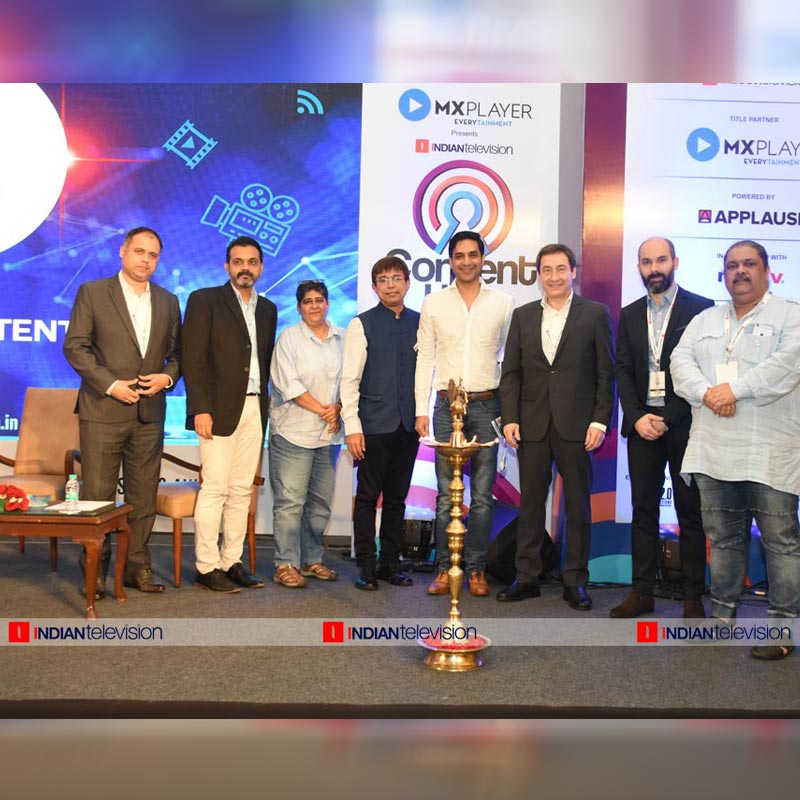
MUMBAI: Content creators today cannot rely on daily soaps to attract viewers. With OTT looming large, production houses have to broaden their content nexus. Indiantelevision.com’s The Content Hub hosted a session – ‘The TV production Story: Reality, Non-fiction’, with the panellists Contiloe Pictures producer and founder Abhimanyu Singh, Endemol Shine CEO Abhishek Rege, SOL India – Banijay Group founder and MD Fazila Allana. The session was moderated by Bodhitree Multimedia co-founder and director Mautik Tolia.
The panel discussed the hot topic of IP rights, whether it should be given to the broadcaster or kept with the creator. To this, Singh said that it is valuable for every production house to hold its IP rights, where one can syndicate and get certain revenues on a recurring basis. "If the ecosystem thinks of it then I think the law needs to protect creators just as the musicians are protected," he said and Allana agreed with him.
Rege said that retaining IPs means financial risks for the producer. He further explained, "If we have commissioned a show in Hindi, why would you have the IP of all the languages go with the network? But while we think all this to happen, are we ready to take all the risk?”

Discussion on the potential of content, Rege said that scripted shows are platform-agnostic. He said that the challenge here is making attractive content for the viewers and targeting the right TG. "With OTT, I don’t think it’s easy to do as many talents shows that we do on linear," he added.
The new tariff order will bring about a change in content creation, according to Rege. With customers choosing individual channels, broadcasters need unique content to attract people. “This fight is based on non-scripted or premium scripted property," he said.
Allana said that non-fiction producers have a bigger challenge as opposed to fiction producers because there has been a saturation of ideas. But she added that non-fiction content is going to evolve in the OTT platform but the future belongs to scripted shows. “On OTT there will be a lot of social experimentation as well as lifestyle programming. Earlier we all used to chase formats now we chase stories,” she said.
The deluge of daily content has thwarted premium content from growing. Rege said, "In creating premium content, you will have to spend time in writing. Apart from that, as far as production is concerned, you will have to have the discipline of pre-producing the series and this doesn’t exist on our television. The whole ecosystem needs to move in this direction."







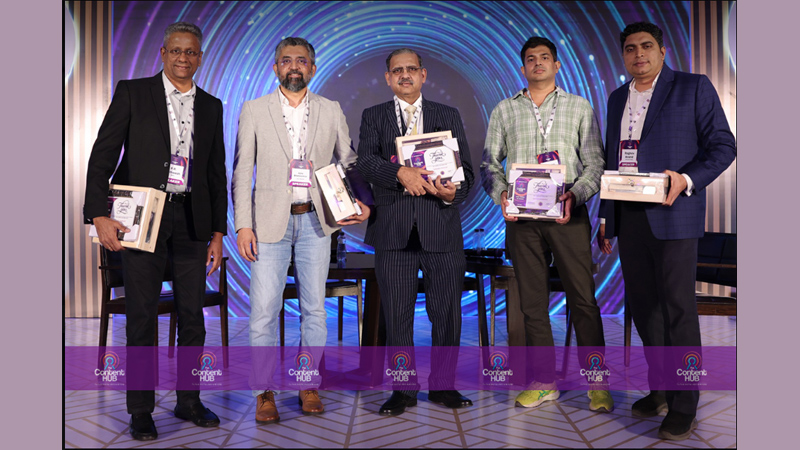
Mumbai: Exploring the shift from regional to national content, this synopsis delves into the trends and challenges. It navigates the transformation, analyzing industry dynamics, emerging trends, and the hurdles faced. From preserving regional variation to adapting to a broader audience, it examines the multifaceted journey of regional content evolving into a national narrative. In what ways do the emerging trends and challenges influence the dynamics of the entertainment industry during this transition? How can creators navigate these changes effectively? What strategic approaches can content creators adopt to strike a balance between maintaining regional identity and fostering a cohesive national narrative in their work? How can the transition from ‘regional’ to ‘national content’ impact cultural diversity within the entertainment industry, and what measures can be taken to ensure the preservation of regional variation?
In a rapidly evolving media landscape, seasoned industry professionals have offered valuable insights into the transformation of content consumption and production. The session was chaired by Ernst and Young partner Raghav Anand, MMTV chief executive officer P.R. Satheesh, Sony Marathi business head Ajay Bhalwankar, PTC Network chairman & MD Rabindra Narayan, Shemaroo Entertainment COO, Digital, Saurabh Srivastava esteemed voices in the field, have articulated their perspectives on the burgeoning shift towards globalised content.
Rabindra Narayan emphasised the dissolution of regional boundaries in content consumption, attributing it to the accessibility facilitated by global platforms and connectivity options. He predicts a future where language barriers will fade, citing the potential of technology to clone and adapt voices, thus enabling seamless localization across languages.
Saurabh highlighted the democratisation of content creation in the digital era, underscoring its empowerment and revenue potential, particularly in linguistically diverse markets like India. He emphasizes the value of culturally rooted storytelling in filling gaps in content supply, with technology enabling effective monetization, especially through OTT platforms.
Ajay Bhalwan sheds light on the evolving landscape of Hindi and regional language content, noting a significant shift where a substantial portion of content on Hindi film channels originates from regional languages. He accentuates the importance of language in enhancing authenticity and audience engagement, exemplified by the strong resonance of Marathi content in Maharashtra.
PR Satheesh underscored the paramount importance of content quality in driving viewership and transcending language barriers. Drawing parallels with the global popularity of Korean dramas, he advocates for leveraging technology, including AI and real-time translations, to enhance content creation and distribution.
These insightful perspectives collectively echoed the industry’s adaptation to a globalised content landscape, where technology catalyzes innovation and accessibility. As content continues to evolve, these experts offered valuable guidance on navigating the dynamic media landscape and maximizing the impact of storytelling in diverse markets worldwide.






