iWorld
Three years down, YouTube Kids unable to make an impact

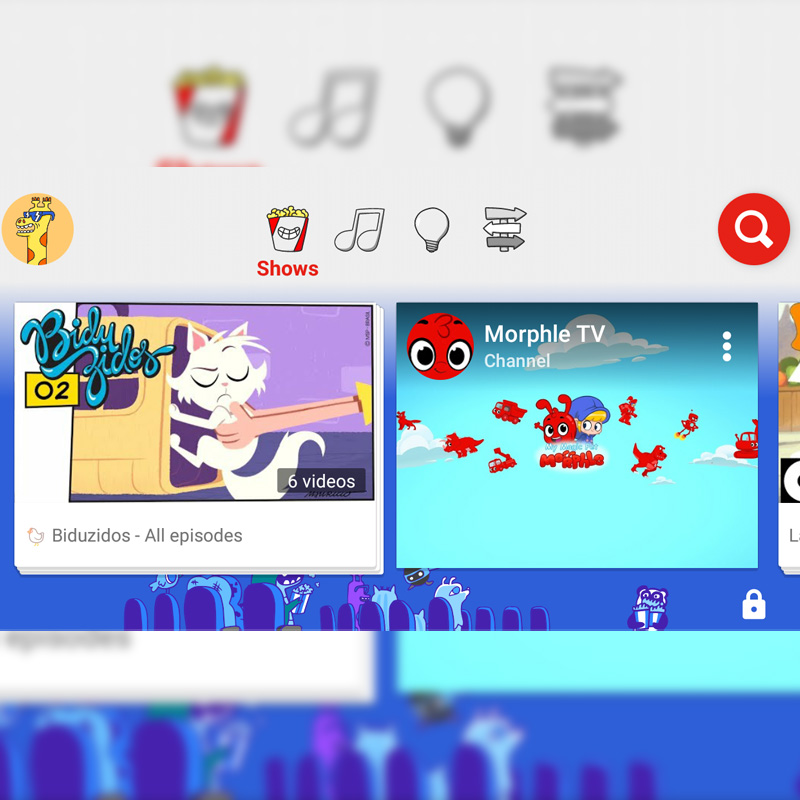
MUMBAI: Generation Z has grown up with mobile phones and even smartphones in their hands. What TV was to the older generations, the phone was to these kids who grow up with YouTube. In 2015, YouTube Kids was launched promising filtered content and parental control but Indian viewers seem to have given it a pass.
“The app makes it safer and easier for children to find videos on topics they want to explore,” YouTube Kids group product manager Shimrit Ben-Yair said in a blogpost when the app was first unveiled. In 2016, the app was officially launched in India. Parents can keep a timer restricting the usage as well as limiting the content kids can search with a “turn off” option. There are four sections in the app offering different kinds of content- shows, music, learning, explore.
YouTube along with other OTT platforms targeting kids has become a ‘digital babysitter’. Though, according to a recent survey, even in developed countries, big screens remain a favourite of kids, the trend of consuming content on portable screens is rising expediently. Turning away from linear TV content, kids are increasingly flocking towards digital content globally. In such a scenario, YouTube Kids definitely has a promising market but there are several factors stunting the growth, especially in India.

In India, YouTube has not aggressively started any campaign till now for its standalone app. While YouTube itself offers a wide range of kids’ content, other OTT platforms such as Viacom18’s Voot have done extremely well in terms of views. It has popular shows such as The Powerpuff Girls, Ben 10, Roll No. 21 and Chotta Bheem alongside Dora, Spongebob, Motu Patlu, Shiva and Pokemon. Amazon and Netflix also have rich content—both commissioned and original.
In addition to that, YouTube itself is a competition to YouTube Kids with children having plenty of entertainment options. Sparky short form content channels like ChuChu TV, LittleBabyBum, ToyPudding TV, Marsha and the Bear, Ryan ToysReview have more than 13 million subscribers and are thriving. The numbers show how many kids flock to these channels. Whereas, YouTube Kids is restricted. It can be accessed only on mobile devices and smart TVs making it less accessible than the parent site.
“From collections of channels from trusted partners to enabling parents to select each video and channel themselves, we’re putting parents in the driver’s seat like never before,” YouTube Kids product director James Beser said after the recent announcement of introducing several ways for parents to limit what can be watched on the popular app after receiving huge criticism. After three long years, at least YouTube has acknowledged it needs better policing for the kids app.
While YouTube has marketed its kid-specific app as a safer place for children, it has to walk a long way to prove itself safer. With its main site being unbeatable in the competition, amidst outcries from child rights groups, the presence of several other players offering various range of kids’ content, YouTube Kids is still not a primary option for kids.
One of the main reasons behind the launch of YouTube Kids was to make it a safer platform for parents, who didn’t want their children using the main site unsupervised. Since the launch of the app, advocacy groups listed several serious problems. Amidst cartoon animation, explicit sexual language was used, graphic adult discussions about family violence, pornography and child suicide were noticed, modelling of unsafe behaviours, even jokes about paedophilia and drug use were discovered. Along with that, through the commercials, there are enough potential risks for kids to watch inappropriate content.
Despite not tasting the kind of success YouTube is accustomed to, especially in India, YouTube Kids finds itself to be under promoted. Though more kids are hopping on board digitally, the lack of success of YouTube Kids is a glaring anomaly. YouTube has to ramp up the offering and make the app a safer place for kids, thereby giving usage a shot in the arm in a cluttered market.







eNews
Piyush Thakur steps down as Inshorts’ chief revenue officer
Former vice president and cro says exit marks a new chapter after close to a decade of building revenue and partnerships at Inshorts Group.

NOIDA: Piyush Thakur has stepped away from Inshorts Group after nearly 10 years with the company, marking the end of a long tenure that culminated in his role as chief revenue officer.
In a farewell note, Thakur said he was “turning a new page” after almost a decade at Inshorts, calling it one of the hardest professional decisions he has made. He added that his exit was not driven by uncertainty about the future, but by reflection on a long association with the company.
Thakur joined Inshorts in October 2016 as vice president and spent around seven years in the role before being elevated to chief revenue officer in April 2024, a position he held until April 2026.
He said his tenure was defined by “thousands of mornings, late nights, product debates and breakthrough moments”, as the company evolved into a large-scale digital news platform used by millions.
In his note, Thakur emphasised that Inshorts’ growth was a collective effort across teams, adding that engineers, designers, sales teams and customer support staff all contributed to building the platform. He said the company’s success was not the result of individuals but of “everyone who stayed, passed through, and left their mark”.
Before Inshorts, Thakur worked across several digital media and business development roles. At ESPN, he served as senior regional manager from October 2015 to October 2016, focusing on growth initiatives, strategic opportunities and video distribution.
At Times Internet, he worked for nearly three years, including as head of business development from April 2015 to September 2015 and chief manager from January 2013 to March 2015. His responsibilities included monetisation of mobile platforms, managing media and developer partnerships, and driving revenue across digital properties such as The Times of India and The Economic Times.
Earlier, he worked at Brandmovers as head of business development from June 2012 to June 2013, handling digital, mobile and social media marketing solutions, client development and strategic consulting. During this period, he also worked on advertising revenue, brand strategy and CRM-based solutions.
At Inshorts, Thakur’s role focused on revenue strategy, mobile and media partnerships, and growth initiatives across platforms. His profile highlights experience in mobile product management, digital business models, partner ecosystems and revenue expansion in high-growth environments.







