iWorld
The sixth edition of All About Music will facilitate growth and spark discourse


Mumbai: After two years of the pandemic, India’s biggest music conference is back in person for its sixth edition with its primary partner, Youtube Shorts, which is all set to take place from 20th to 22nd September at Taj Lands End, Mumbai.
Since its first edition in 2017, All About Music has grown to become one of the country’s premier B2B networking events, with five sold-out editions. The annual event brings more than 6,000 stakeholders and experts from key areas of the entertainment industry.
This year’s edition is packed with three whole days of curated keynotes, panels, workshops, artist showcases, masterclasses, and success stories, along with opportunities to network and pitch ideas. This year, All About Music focuses on the creator economy’s impact on Indian and global music and the world’s economy at large, whether it’s branded content, sync deals, monetisation or music distribution. Understand how music makes the Indian creator economy louder than ever before.

With web3 on the cusp of a revolution, All About Music is excited to feature speakers like illustrator Santanu Hazarika, offering a creator’s perspective on grasping NFTs and the metaverse.
This edition of India’s biggest music conference includes talks on global music publishing by Warner Chappell Music co-chair & chief executive officer Guy Moot and the potential of music education in India from Global Music Institute director-strategy & development Megha Balanim. The event will also see RadioOne’s national brand head Hrishikesh Kannan talk about his journey from music jockey to helming a radio channel.
Plus, some of the biggest and brightest names in Indian and global music will be present under one roof. They include OML Entertainment chief executive officer Gunjan Arya, Universal Music Group (India & South Asia) vice president, new business and brand partnerships, Preeti Nayyar, Bigtree Entertainment founder and chief executive officer Ashish Hemrajani, superstar singers Armaan Malik and Prateek Kuhad, and many more.
Speaking about this year’s power packed edition, create and collab business head Ashish Jose said, “The purpose of All About Music is to create space for conversations and interactions that amplify the voices of key stakeholders who are bright spots within the music industry. We do this because we believe that the whole is greater than the sum of its parts and that when we invest the time to listen, ask, share, and learn, we grow together.”
One of the most important events in India’s musical calendar, All About Music bridges the chasm between the aspiring and the established while addressing the lacunae of the music industry. This year, engage in one-on-one discussions with the industry’s movers and shakers through connect corner, a unique 60-minute networking opportunity to meet, greet and turn ideas into reality.
For the first time, All About Music will also showcase the talents of a few selected artists who get to perform in front of a live audience that’s packed with all the stakeholders of the music business.
Last but not the least, the conference will continue with its endeavour to empower artistes to present their work directly to filmmakers, showrunners, and record labels, allowing for immediate feedback and reviews.






Broadband
Zoff Foods extends Shilpa Shetty partnership into ninth year
Spice brand reinforces trust-led positioning amid growth and funding push.
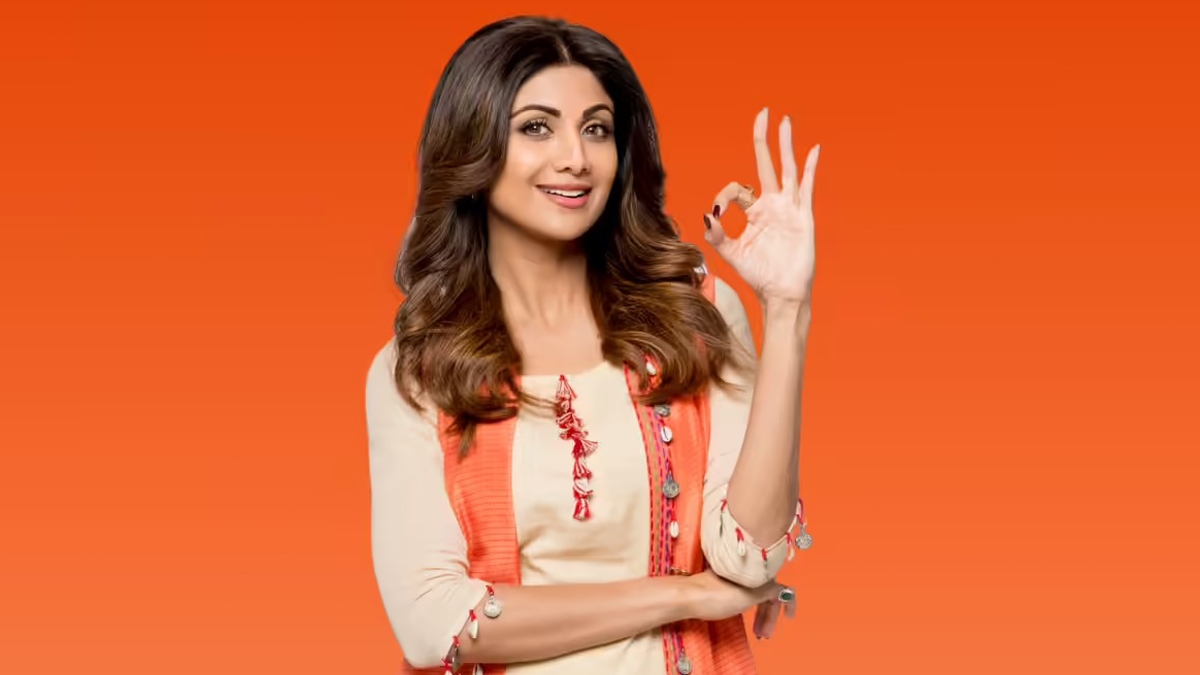
MUMBAI: Nine years, one flavour and the recipe clearly still works. Zoff Foods has extended its long-running association with Shilpa Shetty, marking nine consecutive years of her as brand ambassador as the company scales its presence across Indian households. What began as a digital-first collaboration has gradually evolved into a defining element of the brand’s identity. Over nearly a decade, the partnership has mirrored Zoff’s own journey from an emerging challenger to a fast-growing FMCG player with a widening footprint across e-commerce, quick commerce and offline retail channels.
The logic behind the continuity is straightforward. In a category where trust and familiarity drive purchase decisions, particularly in spices and ready-to-cook segments, long-term associations tend to carry more weight than short bursts of visibility. Shetty’s positioning as a fitness-conscious, health-aware public figure aligns with the brand’s emphasis on purity and quality factors that are increasingly shaping consumer choices in modern Indian kitchens.
The extension also comes at a time when Zoff Foods is entering a more aggressive growth phase. The company recently raised $2 million in a Pre-Series B funding round led by JM Financial Private Equity, with participation from Aman Gupta, signalling a push towards expanding distribution, product innovation and market reach.
Company executives have positioned the continued partnership as a strategic anchor amid this expansion, reinforcing brand recall while entering new markets. For Shetty, the association remains rooted in shared values around authenticity and ingredient integrity attributes that resonate strongly with increasingly mindful consumers.
In a market crowded with new-age brands and shifting loyalties, Zoff’s approach suggests a different playbook: build slowly, stay consistent, and let familiarity do the heavy lifting. Because sometimes, in both branding and cooking, it’s not about reinventing the dish, it’s about perfecting it over time.






