International
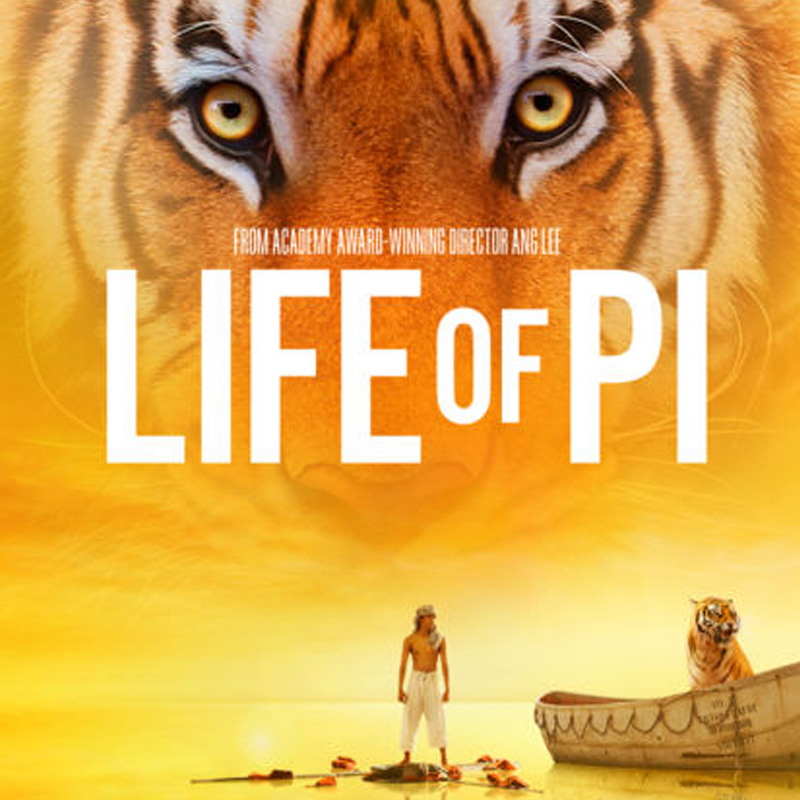
The Hobbit pushes Life of Pi to second spot collecting $ 91 million in second weekend
MUMBAI: Opening in 35 markets, New Line/MGM‘s The Hobbit: An Unexpected Journey swept the foreign theatrical circuit for the second consecutive weekend bagging $91 million in more than 18,600 screens in 59 markets. It thereby pushed Life of Pi to second place.
The Hobbit drew a mighty opening gross in Russia ($16.8 million from 2,129 venues including previews), taking 75 per cent of the weekend market. Distributor Warner Bros said that in Russia, 65 per cent of the total box office came from 3D venues.
To underscore the growth in recent years of the Russian territory, the distributor noted that the weekend debut paced 313 per cent ahead of the opening Russia gross of Jackson‘s Lord of the Rings: Return of the King, released in 2003 and the biggest foreign grosser of the LOTR titles.
Director Peter Jackson‘s fantasy tale of the first installment of the director‘s $500 million trilogy based on the J R R Tolkien novel took a relatively small dip of 34 per cent from its opening round and has totaled a foreign gross intake to date of $284 million.
Meanwhile, Paramount‘s latest Tom Cruise action title, Jack Reacher that premiered in seven offshore markets including Turkey, Singapore, Malaysia, Hong Kong and Lebanon collected an estimated $2.5 million from 365 locations.
Universal opened Les Miserables co-starring Hugh Jackman, Russell Crowe and Anne Hathaway in 348 locations in Japan for a weekend total of $4.2 million for a per-location average of more than $12,000.
Universal also opened director Judd Apatow‘s comedy, This Is 40, in eight screens in Slovenia. Results is expected to be out today.

International
Utopai Studios unveils 4K three-minute video generation for PAI platform
New Story Agent and editing tools aim to streamline AI-led filmmaking workflows
MUMBAI: Utopai Studios has announced a major upgrade to its PAI storytelling AI platform, introducing what it claims is an industry-first capability to generate three-minute videos in 4K resolution, alongside enhancements to its Story Agent feature.
The update, rolling out from April 15, expands the platform’s capabilities across the filmmaking process, from early concept development to post-production. The company said the new features are designed to help filmmakers maintain continuity across characters, scenes and visual styles, a key challenge in AI-driven storytelling.
At the heart of the release is a next-generation model that enables more structured narrative development, allowing creators to move more seamlessly from idea to execution. With tools such as multi-shot sequencing and multi-turn editing, the platform aims to give both studios and independent creators greater control over complex storytelling workflows.
Commenting on the launch, Utopai Studios co-founder and CTO Jie Yang said, “The next phase of AI in media will not be defined by isolated tools, but by systems that can carry story, continuity and collaboration across the full creative process.” He added that the update is a step towards enabling more practical, end-to-end narrative development at a professional level.
Echoing this, Utopai Studios co-founder and chief scientific officer Zijian He said, “Generative video is opening the door to a new production model, where creative ambition is less constrained by traditional cost and complexity.” He noted that the platform combines multimodal models with iterative editing to give creators more speed, control and consistency.
The company said PAI is already being used in professional film and television productions, particularly in Hollywood, for tasks such as pre-visualisation, scene design and post-production refinements. The latest update adds features including improved voice options, character consistency, unlimited editing and more flexible asset management.
Utopai also emphasised that its models are not trained on copyrighted material, positioning the platform as a cleaner alternative for creators and rights holders navigating the evolving AI landscape.
As AI continues to reshape content creation, Utopai’s latest push signals a shift from standalone tools to integrated systems, aiming to make high-quality filmmaking faster, more flexible and increasingly accessible.