Hindi
Tavernier to get lifetime achievement award at 42nd IFFI

PANAJI: A total of 167 films from about sixty countries will be screened at the 42nd International Film Festival of India commencing 23 November, when renowned French filmmaker Bertrand Tavernier will receive the Lifetime Achievement award from Information and Broadcasting Minister Ambika Soni.
This award, which had been started around a decade earlier and later abandoned, has been revived and will include a cash award of Rs 1 million.
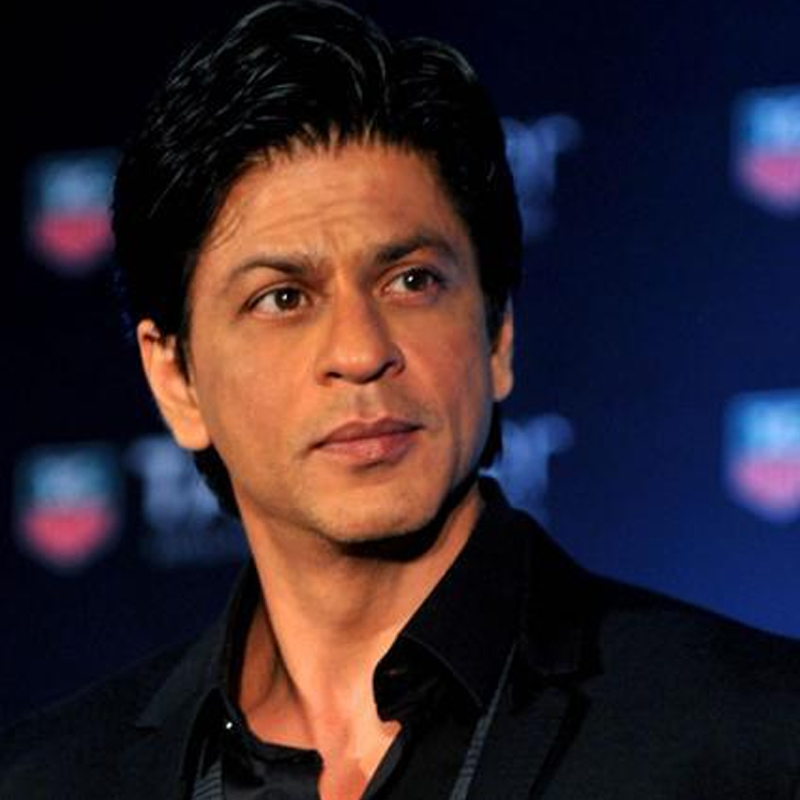
The festival will be inaugurated by Bollywood star Shah Rukh Khan at the Rabindra Bhavan in Madgaon. The festival will open with ‘The Consul of Bordeaux‘ by Francisco Manso and Joao Correa and will close on 3 December with ‘The Lady‘ by Luc Besson on the life of Aung San Suu Kyi of Myanmar.

Bertrand Tavernier is best known for his films ‘Prix Louis Delluc‘ and the ‘Silver Bear‘ as well as for the Special Jury Prize award winner for his film ‘The Clockmaker‘ at the 24th Berlin International Film Festival. Tavernier has to his credit acclaimed films like ‘Life and Nothing But‘ which won the BEFTA for best film in a language other than English in 1990 and ‘The Princess of Montpensier‘ which competed for the Palme d‘Or at the 2010 Cannes Film Festival.
The Festival will pay homage to seven stalwarts of the film industry who were well known for their creative geniuses. The international luminaries who will be remembered at this year‘s festival include Sidney Lumet, Raul Ruiz, Claude Chabrol, Adolfas Meekas, Richard Leacock, Elizabeth Taylor and Tareque Masood. The Indian to whom homage is being paid include Mani Kaul, Shammi Kapoor, Jagjit Singh, Bhupen Hazarika, and Rabindra Nath Tagore who will be remembered with the screening of five films based on his written works.
The Indian Panorama will open with the Malayalam film ‘Urunami‘ and will showcase eclectic Indian movies like ‘Ranjana Ami Ar Asho Na‘, ‘Zindagi Milegi Na Doobara‘, ‘Noong Amadi Yeroom‘, and much more.
The total budget of the Festival is around Rs 100 million including the award money of Rs 10 million, Festival Director Shankar Mohan said at a press meet here. Others who spoke were Entertainment Society of Goa CEO Manoj Srivastava, and eminent filmmaker AK Bir.
Bringing together the gems of the cinematic world, which have found acclaim in noted film festivals abroad, this year‘s film festival will be showcasing ‘Festivals Kaleidoscope‘, a package which includes top award winners in film festivals like Cannes, Locarno, Montreal and Busan. There will be sections on European Discoveries, Spotlight in India, Documentaries, Sketches on screen, and Soccer in Cinema, and Russian Classics. The country focus is on the United States. There will also be some Masterclasses.
The ‘Retrospective‘ section which screens acclaimed movies of eminent film personalities, will screen unforgettable movies of two legendary directors. Luc Besson, one of the most revered and acclaimed names in the French film industry, will be present. Another luminary whose works will be showcased at the festival is the much acclaimed Australian film director Phillip Noyce.
The five-member International Jury is headed by famed filmmaker Adoor Gopalakrishnan judging fourteen films. Seven outstanding films which could not make it to the competition are being shown in a section known as ‘A Cut Above‘.
With a view to bring along a technological revolution in this year‘s festival, the Festival will showcase 3D stereoscopic movies which are chosen not for their stereoscopic content, but also for excellence in handling the medium. This section will bring together 3D classics from across the world.
Srivastava also gave details about the Short Film Center and the Chhota Cinema section for new filmmakers.







Hindi
Zee5 and Applause Entertainment team up for whodunnit ‘Everybody Loves Sohrab Handa’
Rajat Kapoor directs star-studded murder mystery streaming from 10 April.
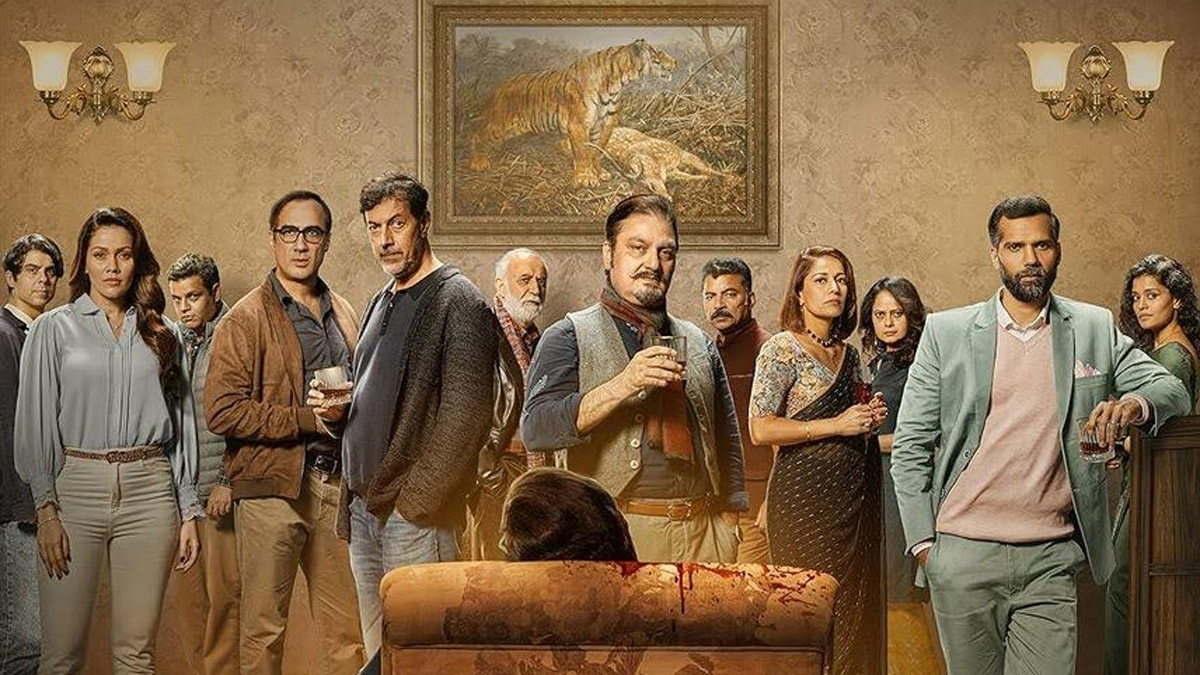
MUMBAI: Zee5 is serving up another killer collaboration and this time, the murder mystery comes with a generous side of dark humour and family dysfunction. The streaming platform has partnered with Applause Entertainment and Mithya Talkies to bring Everybody Loves Sohrab Handa, a fresh, twisted whodunnit written and directed by acclaimed filmmaker and actor Rajat Kapoor. The film will stream exclusively on Hindi Zee5 from 10 April.
The movie reimagines the classic murder mystery genre with a contemporary, darkly comic edge. It revolves around a group of friends and family who smile, drink, and celebrate together until the silence snaps and long-buried secrets spill out. The stellar ensemble cast includes Vinay Pathak, Ranvir Shorey, Waluscha De Sousa, Saurabh Shukla, Chandrachoor Rai, Neil Bhoopalam, Koel Purie, Palomi Ghosh, and Rajat Kapoor himself.
This latest offering continues the successful partnership between Zee5 and Applause Entertainment, which has previously delivered diverse hits such as Mithya, Bloody Brothers, and Jab Khuli Kitaab.
&TV Business Head of hindi Zee5 and chief channel officer Kaveri Das said, “Our collaboration with Applause Entertainment has consistently delivered distinct, high-impact storytelling. Everybody Loves Sohrab Handa is a natural progression, reinforcing our focus on genre-led content with a compelling whodunnit premise and a strong ensemble cast.”
Applause Entertainment business head for movies Sunil Chainani added, “This film adds yet another compelling layer to our slate with Rajat Kapoor’s unmistakable voice.”
Rajat Kapoor shared, “What interested me was not just the mechanics of a whodunnit, but the emotional violence that precedes physical violence. These are people who smile at each other, but there’s so much that is not said.”
The film promises razor-sharp writing, layered performances, and simmering tension, inviting viewers not just to solve the crime but to unravel the complex relationships at its heart.
If you love a good murder mystery served with wit and emotional depth, Everybody Loves Sohrab Handa looks set to be your next addictive watch. Mark your calendars, the whodunnit drops on Hindi Zee5 from 10 April.







