Content Hub
Supernatural genre gives writers most creative liberty

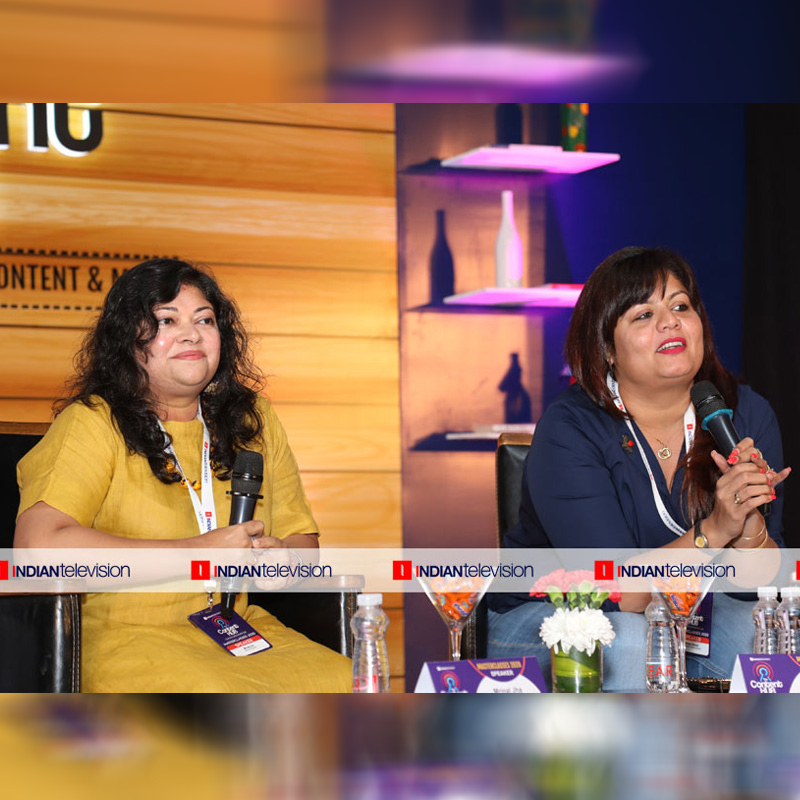
MUMBAI: Writers of the popular TV show Naagin, Mukta Dhond and Mrinal Jha, explored the scope of the supernatural genre at The Content Hub 2020 organised by indiantelevision.com.
Dhond said that the most exciting thing about fantasy is that it gives creative liberty to writers. As they say, anything is possible in the fantasy world which usually is not possible in other human stories. Human situations give you certain amount of possibilities but in fantasy there is so much more that is possible. There are some real stories; outside of that there is a whole world of small creatures who have power. Naagin is a female superhero; there are very few female superheroes worldwide, especially here in India.
“Naagin is a woman who does what she wants to do. She is a woman who has power. She is able to fight back and take revenge, but the world doesn’t hate her. The character can do unimaginable things that we cannot think of. She tells people that they are wrong and the Indian audience accepts it. Naagin is somebody like just you and I. But they are able to speak their mind. The funniest part of doing Naagin is that there is no limit, anyone can turn around and do anything. You are free to write what you want. You can just close your eyes and think something, the fantasy world takes you there. That is the beauty of supernatural shows,” said Dhond.

According to the panelists, for several years the supernatural genre was missing on Indian television. Aahat was the only show that continued for a long time. Otherwise no one wanted to venture into it. And later Naagin and Nazar happened which opened the door for plenty more shows.
They believe that the most exciting part for writers working on fantasy is the thought of coming up with unique ideas. It gives you the liberty to think out of the box.
Jha said that the supernatural genre also demands pace in writing which sometimes is a challenge. "The events of each minute are very high generally and you cannot borrow from the real life around you. You have to imagine constantly and keep creating. The plots and twists have to be new every time. That is the exciting part. But the struggle is to find something new to tell every week,” she said.
Sharing the same sentiments, Dhond said: “People in India have less patience. They want romance, action, drama, and revenge – all in one episode. The story that I finish in six months in a daily soap, it is over in its fourth week in Naagin. So, the volume of content generation that happens in fantasy shows like Naagin or Nazar becomes high. It is like surprising yourself and the audience every day.”
India’s obsession with knowing the future and foretelling gave birth to their new show Divya Drishti. The story is about a girl who can see the future.
“Also, what happens while writing shows like Naagin, Nazar and Divya Drishti is that you discover the classification of what is called supernatural. For example, Nazar is a creature horror. Why is it a creature horror and why isn’t it a superhero is an interesting classification because they dictate how you tell the story. This is the key part of doing supernatural, you are able to identify sharply as to what is the template of the story that you are portraying,” said Jha.
While answering the question of picking a genre while making a career in writing, Dhond said, "I started my career by writing for a supernatural genre. The first book which I did was called "November Rain" which later went on to become a series on Zee TV called Tum Bin Jaaoon Kahaan. I wrote lot of Mano Ya Na Mano at that time. It just came my way. Eventually I discovered my interest in that genre.”



Mumbai: Exploring the shift from regional to national content, this synopsis delves into the trends and challenges. It navigates the transformation, analyzing industry dynamics, emerging trends, and the hurdles faced. From preserving regional variation to adapting to a broader audience, it examines the multifaceted journey of regional content evolving into a national narrative. In what ways do the emerging trends and challenges influence the dynamics of the entertainment industry during this transition? How can creators navigate these changes effectively? What strategic approaches can content creators adopt to strike a balance between maintaining regional identity and fostering a cohesive national narrative in their work? How can the transition from ‘regional’ to ‘national content’ impact cultural diversity within the entertainment industry, and what measures can be taken to ensure the preservation of regional variation?
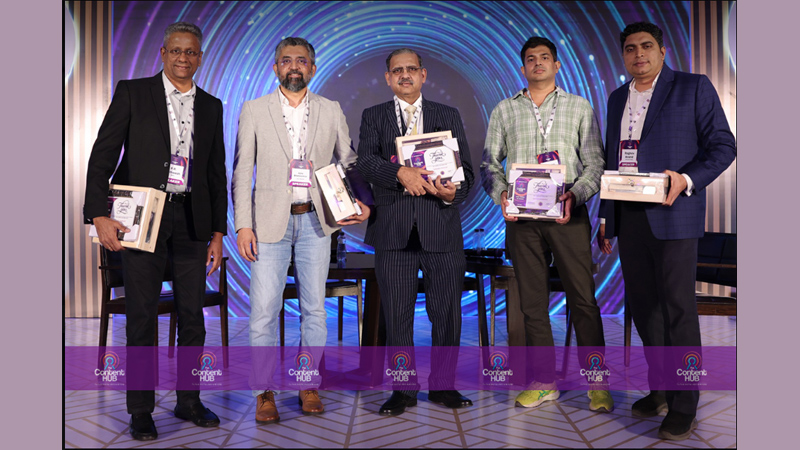
In a rapidly evolving media landscape, seasoned industry professionals have offered valuable insights into the transformation of content consumption and production. The session was chaired by Ernst and Young partner Raghav Anand, MMTV chief executive officer P.R. Satheesh, Sony Marathi business head Ajay Bhalwankar, PTC Network chairman & MD Rabindra Narayan, Shemaroo Entertainment COO, Digital, Saurabh Srivastava esteemed voices in the field, have articulated their perspectives on the burgeoning shift towards globalised content.
Rabindra Narayan emphasised the dissolution of regional boundaries in content consumption, attributing it to the accessibility facilitated by global platforms and connectivity options. He predicts a future where language barriers will fade, citing the potential of technology to clone and adapt voices, thus enabling seamless localization across languages.
Saurabh highlighted the democratisation of content creation in the digital era, underscoring its empowerment and revenue potential, particularly in linguistically diverse markets like India. He emphasizes the value of culturally rooted storytelling in filling gaps in content supply, with technology enabling effective monetization, especially through OTT platforms.
Ajay Bhalwan sheds light on the evolving landscape of Hindi and regional language content, noting a significant shift where a substantial portion of content on Hindi film channels originates from regional languages. He accentuates the importance of language in enhancing authenticity and audience engagement, exemplified by the strong resonance of Marathi content in Maharashtra.
PR Satheesh underscored the paramount importance of content quality in driving viewership and transcending language barriers. Drawing parallels with the global popularity of Korean dramas, he advocates for leveraging technology, including AI and real-time translations, to enhance content creation and distribution.
These insightful perspectives collectively echoed the industry’s adaptation to a globalised content landscape, where technology catalyzes innovation and accessibility. As content continues to evolve, these experts offered valuable guidance on navigating the dynamic media landscape and maximizing the impact of storytelling in diverse markets worldwide.