iWorld
Sunil Mittal advocates hiking minimum tariff, strategic content deals for ARPU growth

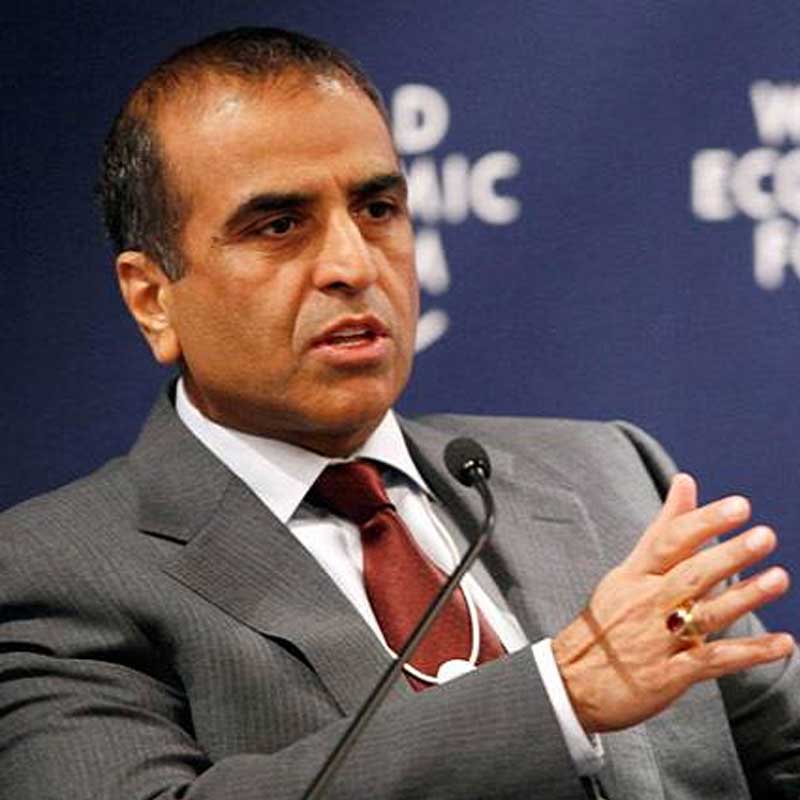
MUMBAI: India’s telecom industry has been bleeding losses for some time now. The entry of Reliance Jio in the market has only made things even more challenging. Airtel’s Sunil Bharti Mittal thinks 2020 could be the year when this haemorrhaging may stop. He also thinks that taking the lower table of tariff up and strategic content deals with online video platforms can help the industry to improve ARPUs which has been sliding continuously.
In an interview with BloombergQuint at the World Economic Forum, Mittal said that getting more customers is necessary for telcos to drive up ARPUs. He mentioned Airtel’s recent move of limiting its minimum to Rs 35. If customers positively respond to the step, then Airtel may take it up to Rs 60 or 80.
“There’s got to be a minimum ARPU coming in. Even for Reliance Jio, their minimum pack is Rs 50, there’s nothing below that. So you’ll have to keep taking the lower table up. And those people who are gouging a lot of data will have to start giving more than Rs 399. They were comfortably giving Rs 500-800,” Mittal added.
Mittal also pointed out that right segmentation is a necessity and providing high-end customers access to content platforms like Netflix, Amazon, Zee or Wynk for music will also help telco players. He is also hopeful that the trend of ARPUs going up will be visible from 2019.
After disrupting mobile broadband sector, Jio is now prepping up for its grand entry in fixed line broadband also. Although Mittal thinks there will be some turbulence in the sector, he is confident about surviving the upcoming storm on the back of previous experience. Despite the segment being a small part of the business, Airtel is planning to grow there. “We have been reducing our tariffs from Rs 1100 to now around Rs 700. So it will settle at around Rs 500 depending on where Jio comes in with pricing,” he commented.
In the changing scenario, many telecom players both in India and outside India are eying on building a content library while some of them are venturing into content creation. Though Airtel is striking strategic partnerships with various OTT players, it isn't interested in investing in content creation.
“We are not going to develop content on our own but we are partnering with Netflix, Amazon, Eros, Zee, Hulu. We are becoming the partner of choice as a telecom carrier for all the content players. That’s our strategy. We are not going to make investments in the areas we don’t understand very well. Similarly, we will go for e-commerce. Eventually, if that plays out then there are enough e-commerce companies who will seek us out,” Mittal commented on partnerships over acquisition of digital content.