iWorld
SonyLIV banked on Akamai to leverage ad insertion for India-SA series

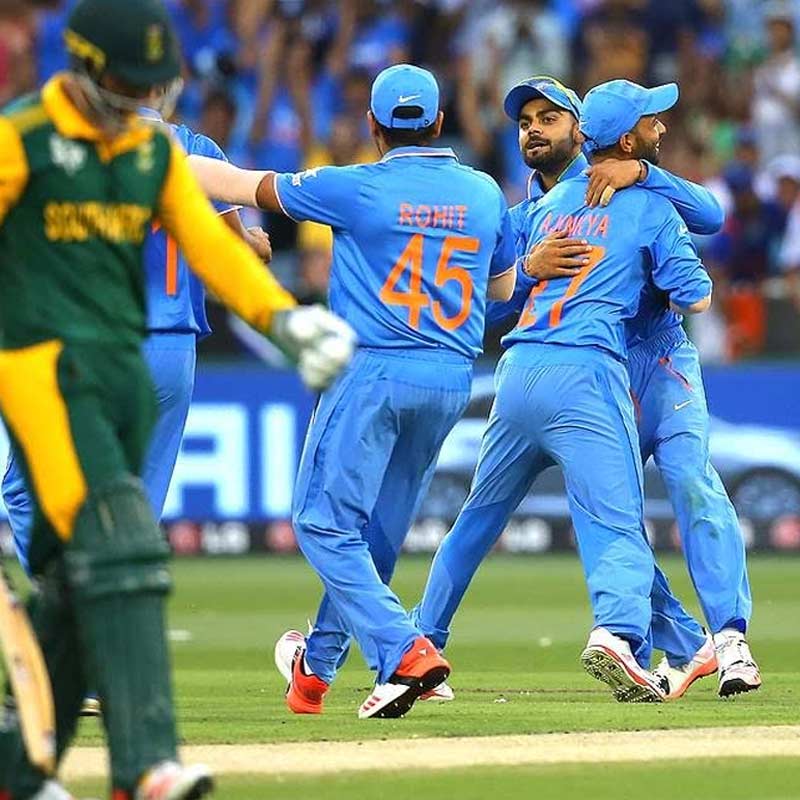
MUMBAI: SonyLIV, which provides multi-screen engagement to users on all devices, leveraged Akamai’s dynamic ad-insertion capabilities during the India-South Africa cricket series held over January and February 2018.
Akamai Technologies regional VP, media Asia Pacific and Japan Sidharth Pisharoti said, “SonyLIV has a vast library of original content. However, in India, few entertainment options have the capability to attract mass audiences like cricket. While the challenge on the one hand is to keep audiences engaged with a TV-like experience, the equally hard part is ensuring that advertisers see value in leveraging digital platforms to drive views and consequently, revenue through advertisements. With Akamai’s capabilities, we were able to successfully deliver what audiences and advertisers wanted over the course of the India-South Africa series.”
SonyLIV was the official and exclusive mobile and internet broadcaster for the India tour of South Africa series and delivered it to millions of users seamlessly across a variety of devices. Digital advertisers gained the most through the course of the series with Akamai’s dynamic ad insertion delivering targeted advertisements during the live stream. With this partnership, SonyLIV achieved a near 100 per cent ad fill rate without compromising on the viewing experience for users.

Commenting on the partnership, SonyLIV EVP and business head Uday Sodhi said, “The India Tour of South Africa series was a huge success for SonyLIV and our audiences had a seamless experience throughout. We partnered with Akamai and leveraged their technology and added it to our already existing capabilities. The series was a huge hit with all the brands we associated with.”
Pitch Madison’s Advertising Report for 2018 projects advertising spend on digital platforms to reach Rs 11,629 crore in 2018, representing a 19.5 per cent increase over the Rs 9,303 crore spent in 2017. In 2017, the spend on mobile was 78 per cent (Rs 7,256 crore) of the total digital outlay. Video represented 35 per cent (Rs 3,300 crore) of the total spend. This indicates a strong reflection of growing consumer trends in the country. A report by MoMagic Technologies found that 40 per cent of Indians prefer to watch advertisement videos on their mobile phones over other media. Additionally, as per IDC, India is the fastest growing smart phone market globally with a total of 124 million units shipped in 2017.
Powered by advertising technology expert Yospace, Akamai’s dynamic ad insertion is designed to help content providers offer greater monetisation opportunities through online advertising, while maintaining a TV-like experience for viewers at scale.
Also Read:
2017: The year OTTs went regional in India
Regional OTT content more than just catch-up TV







iWorld
Cineflicks set to enter India’s OTT market with community-first focus
New platform aims to blend streaming content with interactive viewing experiences

MUMBAI: A new player is gearing up to join India’s crowded streaming arena, with Cineflicks preparing to launch as a community-driven OTT platform aimed at redefining how audiences engage with digital entertainment.
The platform plans to offer a mix of movies, series and digital content, while placing equal emphasis on building an interactive ecosystem where viewers can connect, share and participate beyond passive viewing.
India’s OTT market has seen explosive growth over the past decade, fuelled by rising smartphone penetration and affordable internet access. As streaming becomes the default mode of content consumption, new entrants are increasingly looking to differentiate themselves not just through content libraries but through user experience.
Cineflicks appears to be positioning itself within this next phase of evolution. Instead of focusing solely on scale, the platform is aiming to create a space where audiences can engage more deeply with the content they watch, turning entertainment into a shared experience rather than a solo activity.
While details around its content slate remain under wraps, people familiar with the development say the platform is currently building out features and partnerships ahead of a phased rollout. The broader strategy suggests a blend of content discovery, community interaction and digital participation.
The timing is notable. With global and regional streaming platforms competing intensely for attention, the emphasis is slowly shifting towards engagement and retention rather than just acquisition. Platforms that can foster stronger audience connections may have an edge in this evolving landscape.
Cineflicks’ entry reflects the continued expansion of India’s digital entertainment ecosystem, where innovation is increasingly being driven by how content is experienced, not just what is offered.
As the platform moves closer to launch, the real test will be whether it can translate its community-first pitch into a compelling, everyday habit for viewers.







