iWorld
Snapchat partners four IPL teams

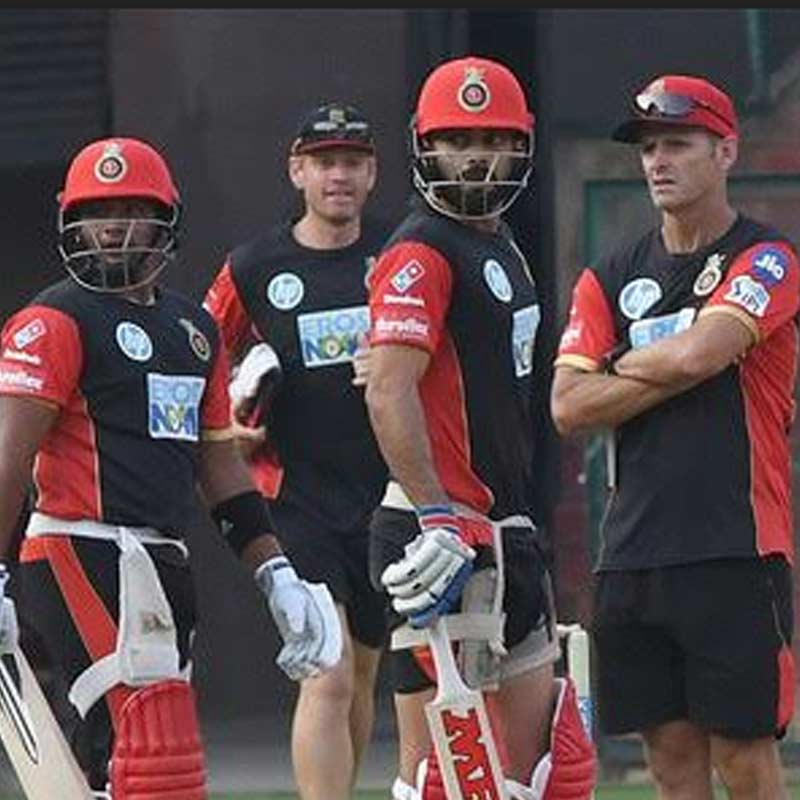
MUMBAI: IPL 2018 fans better get ready as four of your favourite teams are coming to Snapchat. The social media platform has announced its partnership with four IPL teams–the Mumbai Indians, Royal Challengers Bangalore, Delhi Daredevils and the Rajasthan Royals. The teams have joined Snapchat for Official Stories on 9 April 2018
Snapchat has also released new creative tools for fans to support their teams and join the fun, such as custom stickers, filters and lenses. The lenses transform you into a helmeted player, with the team anthem playing in the background, and are available automatically in each team’s state or by scanning a Snapcode in Snapchat.
“We love finding new ways to make Snapchat a great place for fans,” said Snapchat vice president of partnerships Ben Schwerin. “We are so excited for Snapchatters to be able to catch behind the scenes action by their favourite players, cheer their teams and share in the IPL 2018 frenzy with their friends and family!”

This is Snapchat’s first partnership with India’s largest sporting event. The company is excited to give every cricket fanatic the opportunity to celebrate and support their teams better, on and off the field, through these new Official Stories. Snaps created by these official team accounts will be featured in the Discover section of Snapchat, and will provide glimpses of the action that you won’t be able to find elsewhere.
Also Read:
Star India lines up innovation filled IPL 2018
Eros Now joins hands with RCB for IPL debut
Burger King joins hands with Mumbai Indians for IPL 2018





iWorld
JioHotstar enters micro-drama space with 100 shows under Tadka banner
Short-form push targets 300M users as content meets commerce in new format
MUMBAI: JioStar has made a bold play in India’s fast-growing micro-drama space, rolling out over 100 short-form shows under its new Tadka banner on JioHotstar, timed with the massive viewership surge of the Indian Premier League 2026.
The scale of the launch signals clear intent. Rather than testing the waters, the company has dived in headfirst, releasing a wide slate of content on day one. Each show is designed for quick consumption, with episodes running 60 to 90 seconds in a vertical format tailored for mobile-first audiences.
The move comes as India’s micro-drama market, currently valued at around $300 million, is projected to grow tenfold to over $3 billion by 2030. Globally, the format has already proven its mettle, with China’s micro-drama sector recording explosive growth in recent years.
What sets this rollout apart is its built-in monetisation strategy. The shows are free to watch and ad-supported, with brand integrations woven directly into storylines from the outset. It reflects a broader shift where content and commerce are increasingly intertwined, rather than operating in silos.
The timing is equally strategic. With more than 300 million users already tuning in for IPL action, JioHotstar is effectively turning cricket’s biggest stage into a discovery engine for its new format.
The company is not entering an empty arena. Early movers like Kuku TV, MX Player and platforms backed by Zee Entertainment Enterprises have already laid the groundwork, building audiences and validating demand for snackable storytelling.
Now, with scale, distribution and advertiser interest aligning, the big players are stepping in. For JioStar, Tadka may well serve as a proving ground for the next evolution of digital entertainment, where every minute counts and every second sells.
If the bet pays off, India’s next big content wave might just arrive in under 90 seconds.






