
Cable TV
Slow pace of court cases, MSO registration may delay DAS deadline


NEW DELHI: Between the analog sunset and a digital morning are court cases and cumbersome and slow MSO registration processes. And, the deadline of 31 December 2016 appears to be becoming a distant possibility despite assertions to the contrary in the stakeholder-government meetings.
A mere 26 MSOs got provisional registration in November 2016, taking the total to 1,059 and the number of permanent MSOs (with ten-year licences) remaining static at 229.
With the Ministry of Home Affairs (MHA) directive about doing away with security clearances for MSOs not being communicated in writing to the MIB, confusion prevails slowing down the registration processes of MSOs for delivering services in DAS areas.
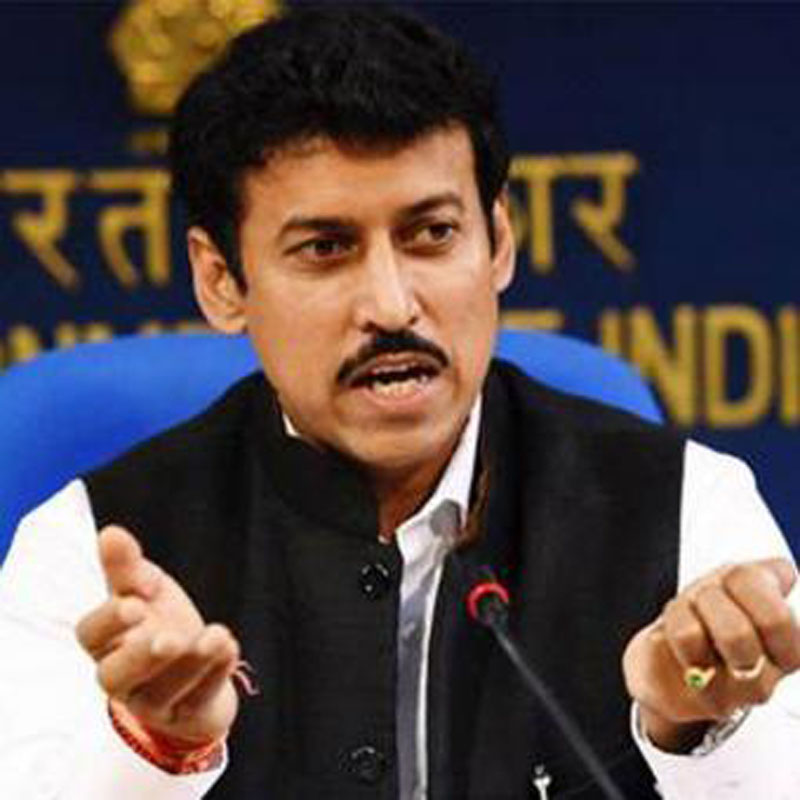
Junior minister in the Ministry of Information and Broadcasting (MIB) Rajyavardhan Rathore had admitted in response to a question in Parliament recently that legal cases, filed mostly by cable operators relating to some phases of digital rollout, may delay the year-end sunset date for analog services in the country.
Though MIB officials and regulator TRAI in public insist that final digitisation deadline won’t be extended, in private government officials do admit that in Phase IV areas, comprising approximately 100,000 villages, small towns and hamlets, seeding of STBs is far from the desired level. An MIB official pointed out after the last DAS Task Force Meeting late last month that cash crunch due to demonetisation of high-value currency notes has only added to the problem on the ground slowing down the entire digital rollout process.
Further impeding STB seeding is the slowing registration of MSOs who’d actually do the work on the ground.
MIB List of Cancelled Registrations
Meanwhile, MIB yesterday released a list of 44 MSOs whose registrations have been cancelled or their proposal for licences closed – as against 42 in October and 29 at the end of September 2016.These cancellations exclude four cases – Kal Cables of Chennai, Godfather Communication Pvt. Ltd of Amritsar, Digi Cable Network (India) Pvt Ltd of Mumbai, and Intermedia Cable Communication Pvt. Ltd of Delhi — in which provisional or permanent registrations were issued after high courts stayed the cancellation orders in petitions filed by these MSOs.
Most of the other cases in the list of cancelled registrations had failed to get security clearance from the MHA. However, there are cases of many MSOs holding provisional licences not completing certain formalities relating to shareholders and so on.
According to the latest list up to 30 November 2016, the areas of operation of two MSOs (one each in the permanent and provisional lists) have been revised or corrected after 31 October 2016.Of the new licensees, three (UCS Broadband Private Limited of Lucknow, Elxire IT Services Pvt. Ltd of Haryana and Microsense Wireless Pvt. Ltd of Chennai) have got pan-India licences. Maury Diginet Pvt. Ltd of Bihar has got pan-India licence for Phase II, III and IV.
The other new registrations after October 2016 include state-wide licences or for specific districts in Kerala, Himachal Pradesh, Uttar Pradesh, Haryana, Maharashtra, Tamil Nadu, Gujarat, Madhya Pradesh, Chattisgarh, Rajasthan, Telengana, Andhra Pradesh, Manipur, Odisha, Punjab, Delhi and Tripura.In one of the meetings of stakeholders at MIB it was revealed that though there were a reported 6,000 MSOs in the country, but only a handful of them had come forward to register.
ALSO READ:
MIB’s digital deadline dilemma: to relax or not
30 MSOs got provisional licences in Oct, taking total to 1033






