iWorld
Siyaram’s stitches up AI and emotion in a Father’s Day film that tugs heartstrings


MUMBAI: If dad jokes could make you cry, Siyaram’s latest film might be the culprit.
This Father’s Day, the heritage menswear brand has spun a yarn of emotion and AI wizardry with its digital film, ‘Papa Hain Toh’. But unlike your dad’s wardrobe staples, this one’s entirely stitched in code.
The campaign, a first for Siyaram’s, marries poetic emotion with AI-generated visuals and music to celebrate the silent strength of fatherhood. The film features moving Hindi verses and a subtle storyline that showcases the father as the quiet architect of every family comfort. Created entirely by artificial intelligence, the film doesn’t feel mechanical – it pulses with warmth.

“पापा हैं तो घर में हर दिन खुशियां आती हैं,
पापा से ही माँ की मुस्कान सजती जाती है।”
“Fathers often speak the least but say the most through their actions”, said Siyaram’s AVP marketing Prashant Awasthi. “With Papa Hain Toh, we wanted to honour that quiet strength, the everyday presence that makes everything feel safe, complete, and steady. At the heart of it all, we realised, ‘Papa Hain Toh Sab Theek Hain’. This film is our tribute to those unsaid moments and unseen sacrifices that define fatherhood”.
Creative partner Agency09 helped translate this brief into a campaign powered by generative tech. “We used AI deliberately, not to replace emotion, but to express it more creatively and powerfully”, said Agency09 creative director Ketan Shivadekar. “The challenge was to make something generated feel genuinely felt”.
While the campaign flexes technological muscle, Siyaram’s insists it doesn’t sideline human creativity. The film, now live across Siyaram’s digital channels, marks a new frontier in Indian apparel advertising – one where emotion and innovation co-exist, and storytelling is no longer confined to traditional filmmaking.
The 48-year-old brand, known for its textile heritage, now adds storytelling flair to its fabric with a campaign that goes beyond fashion, straight to the heart.



iWorld
OpenAI hits back at Elon Musk’s lawsuit ahead of trial
Company calls claims “baseless” and accuses Musk of trying to disrupt a rival.
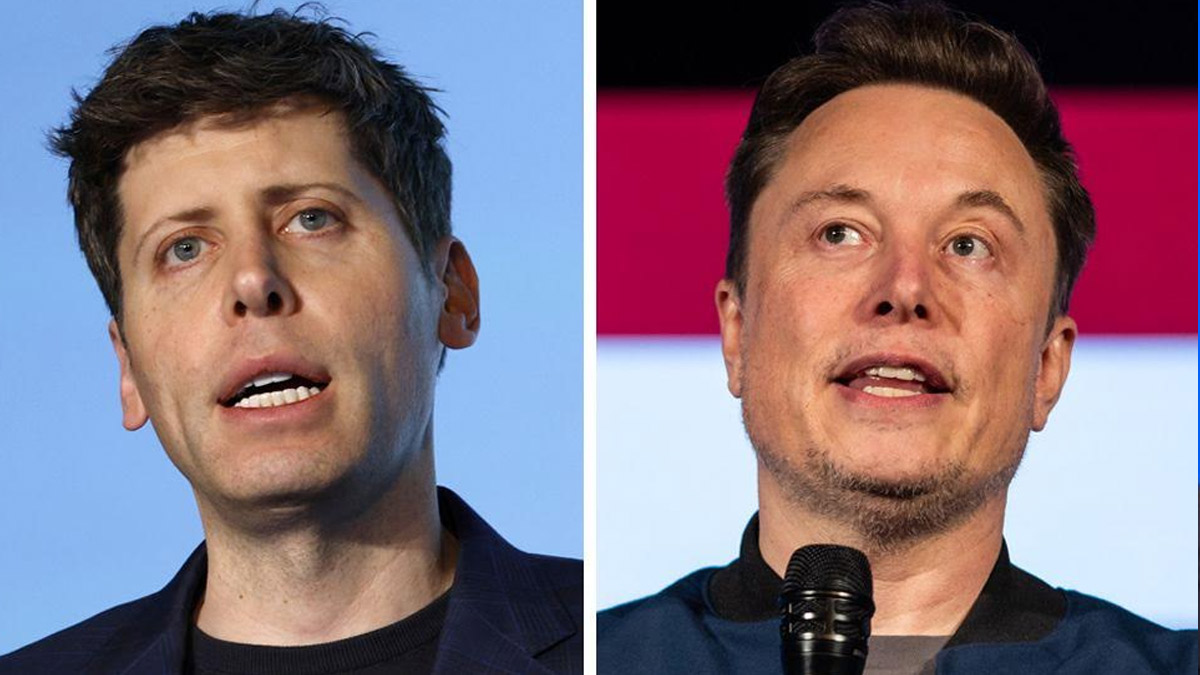
MUMBAI: When the stakes are measured in billions and egos are involved, even Silicon Valley titans can turn a courtroom into a battlefield. OpenAI has issued a sharp public response to Elon Musk’s ongoing lawsuit, accusing the billionaire of filing the case to harass a competitor rather than address genuine concerns. In a strongly worded statement shared on its official X account, OpenAI described Musk’s allegations as “baseless” and suggested the lawsuit is an attempt to disrupt the company as the case heads toward trial later this month in Oakland, California.
The response comes after Musk’s legal team recently amended the complaint, proposing that any damages potentially exceeding $150 billion should go to OpenAI’s nonprofit entity rather than to Musk personally. OpenAI questioned the timing and motive behind this change, calling it a late-stage attempt to “pretend to change his tune” on the nonprofit structure.
The company further labelled the lawsuit a “harassment campaign”, arguing that Musk’s actions are driven by personal rivalry, ego, and a desire for greater control and financial upside.
At the heart of the dispute is Musk’s claim that OpenAI has abandoned its original nonprofit mission of developing artificial intelligence for the benefit of humanity. A co-founder who left in 2018, Musk is seeking governance changes, including the removal of CEO Sam Altman from the nonprofit board, and the return of certain financial gains linked to Altman and President Greg Brockman.
OpenAI has firmly rejected these allegations, maintaining that its current hybrid structure, a public-benefit corporation overseen by a nonprofit parent remains true to its long-term goals. The company has also previously accused Musk of anti-competitive behaviour aimed at weakening its leadership.
As the case prepares for a jury trial, this public exchange highlights the deepening rift between two of the most influential figures in the AI revolution and raises broader questions about governance, mission, and power in the fast-moving world of artificial intelligence.
In the high-stakes game of AI, it seems the real drama isn’t just inside the models, it’s playing out in courtrooms too.






