High Court
Simulcast of India-Bangla series: HC asks DD to state how much it will pay
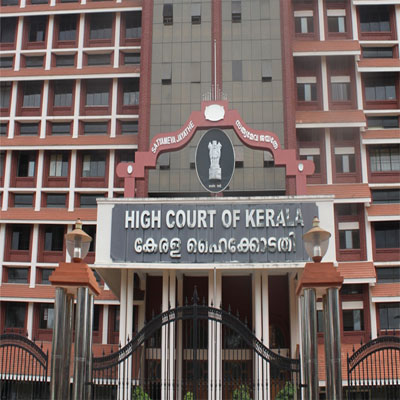
MUMBAI: The Kerala High Court has asked pubcaster Prasar Bharati to indicate how much it would be willing to pay for simulcasting live the ongoing India-Bangladesh cricket series.
The question relates to a public interest petition filed last week, seeking telecast of the matches on national broadcaster Doordarshan (DD). The court’s query to DD was prompted by ESPN Star Sports’ (ESS) insistence on a compensation if the matches were to be simulcast. The court will continue hearing the case tomorrow.
ESS has acquired five-year exclusive telecast rights to the Bangladesh board for Rs 500 million.
When contacted, Prasar Bharati chief executive officer KS Sarma told indiantelevision.com: “At this stage, we can only take up live telecast of the matches if we have a revenue share arrangement with ESS. The ratio can be worked out with ESS.”
ESPN Software India managing director R C Venkatesh, however, was unwilling to discuss the issue. “As the matter is sub-judice, we would not like to offer any comment at this juncture,” he said.
The advertising rates on cricket matches have been on a downward trend recently. DD earned an average net revenue of Rs 15 million a day for the India-South Africa Test series. Though the India-Bangladesh series has not drawn audiences and advertisers, DD feels there may be some interest in the one-dayers.
Meanwhile, ESPN has switched off signals to Rajan Raheja-promoted Hathway Cable & Datacom and Asianet for non payment of dues. This has coincided with the telecast of the India-Bangladesh cricket series.

High Court
Bombay HC likely to protect Kartik Aaryan’s personality rights
Actor seeks Rs 15 crore damages over AI misuse, deepfakes and merch
MUMBAI: In an age where faces can be faked and voices cloned, even stardom needs legal armour. The Bombay High Court has indicated it will pass an order safeguarding the personality and publicity rights of Bollywood actor Kartik Aaryan, following allegations of widespread digital misuse of his identity.
The matter, heard by Justice Sharmila U. Deshmukh, centres on a plea filed by Aaryan seeking a broad John Doe injunction against 16 defendants, including e-commerce platforms, social media intermediaries and unidentified entities. The court noted the concerns raised and said appropriate orders would be issued.
At the heart of the case lies the growing threat of artificial intelligence-driven impersonation. Aaryan’s petition flags multiple instances of deepfake content circulating across platforms such as YouTube and Instagram, where his likeness has allegedly been used to create fabricated videos, including false romantic link-ups and objectionable scenarios designed to drive engagement.
In one particularly alarming example, the actor’s legal filing cites AI-generated visuals that falsely associate him with controversial global figures, including Jeffrey Epstein. The plea argues that such content not only misleads audiences but also causes serious reputational damage.
The concerns extend beyond content to commerce. The suit alleges that unauthorised merchandise bearing Aaryan’s name and image is being sold across platforms such as Amazon, Flipkart and Redbubble, without his consent. Additionally, the actor has raised red flags over AI-powered chatbots that mimic his voice and simulate conversations, warning of potential misuse in fraudulent activities.
Aaryan’s filing underscores that he is the registered proprietor of the trademark “Kartik Aaryan”, with his name, voice and likeness carrying significant commercial value. The unauthorised use of these attributes, the plea states, leads to “immediate and irreparable harm” to his goodwill.
Seeking both preventive and punitive relief, the actor has requested a permanent injunction restraining entities from exploiting his identity in any form be it name, voice, signature or distinctive dialogue style. He has also sought damages amounting to Rs 15 crore for alleged commercial misappropriation and reputational loss.
The case highlights a larger legal and cultural moment, where the lines between reality and replication are increasingly blurred. As AI tools become more accessible, courts are now being called upon to define the boundaries of identity in the digital age, where a face may be famous, but control over it is no longer guaranteed.