News Broadcasting
Shruti Bhargava returns to Republic Media Network as national branded content head

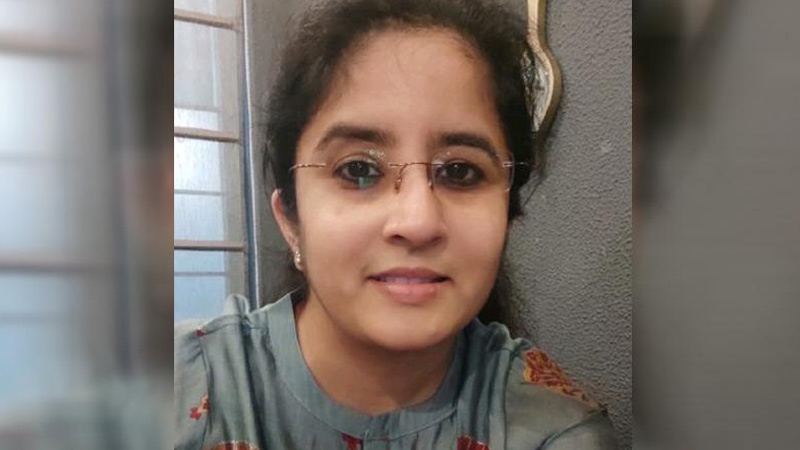
MUMBAI: Shruti Bhargava has officially commenced her new role as the national head of branded content and associations at Republic Media Network. In her announcement on LinkedIn, she expressed her gratitude, stating, “Thank you Hersh Bhandari for your unwavering support and for the opportunities to help me grow in the professional journey.”
With over 15 years of extensive experience in the media industry, Shruti Bhargava’s career reflects remarkable growth and versatility.
She has held significant leadership roles, including general manager – north at Republic World since January 2024, overseeing operations and advertising revenue across platforms. Prior to this, she served as regional head – north & east India at Goldmines Telefilms, managing advertising revenue for diverse television channels. Between April and December 2022, she was general manager at Republic World, spearheading branded content initiatives and campaigns.

Earlier, as deputy general manager at Republic Media Network Sales, she led the North India business for Republic TV from June 2021 to March 2022.
Bhargava’s career also includes senior manager positions at TV Today and HT Media Ltd, where she managed advertising sales and marketing strategies across radio, television, digital, and print media, cementing her reputation as a well-rounded leader in the industry.
Bhargava’s academic background includes a Bachelor of Technology in computer science from the Indian Institute of Technology, Kanpur, and a master’s degree from the University of Illinois at Urbana-Champaign. Additionally, she has participated in significant initiatives such as the International Antarctic Expedition as a Climate Force Ambassador.
As Bhargava steps into this new chapter at Republic Media Network, her vision is set on strengthening brand partnerships and creating impactful content that resonates with audiences across the nation.





News Broadcasting
News18 India launches Command Centre war explainer with Arya
New show shifts from debates to decoding global conflicts and impacts
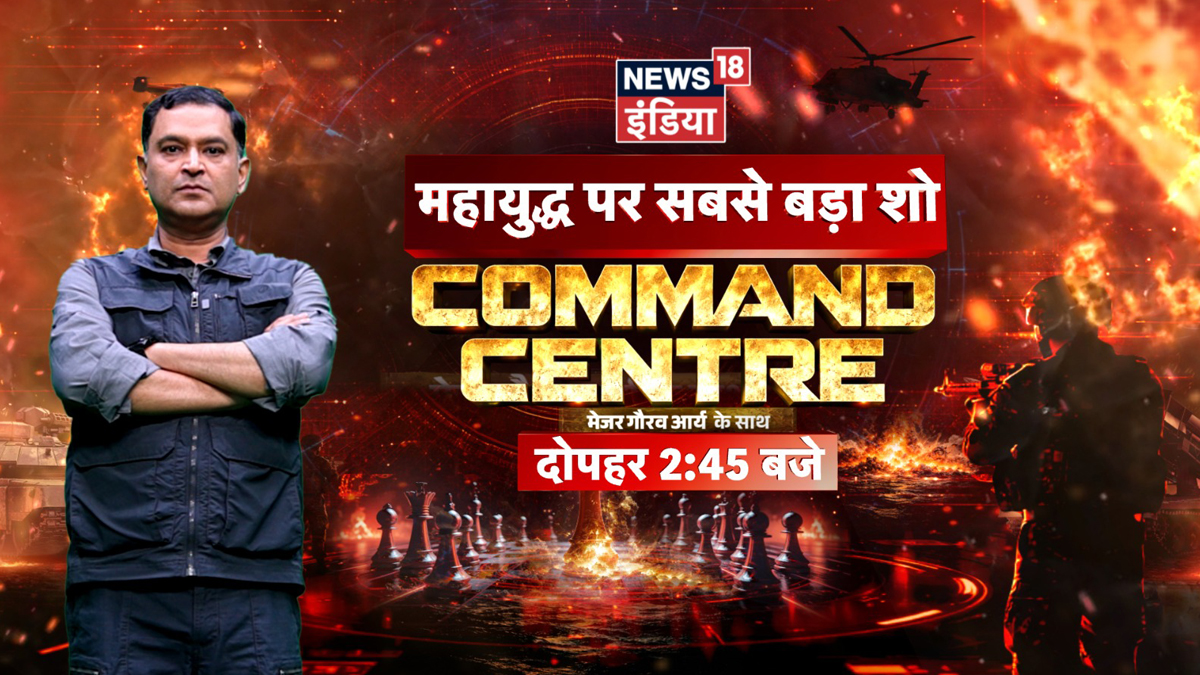
MUMBAI: News18 India has rolled out a new war-focused programme, Command Centre, featuring Gaurav Arya, as it looks to offer viewers a sharper, more grounded take on global conflicts amid rising tensions in West Asia.
Positioned as an “insider war room”, the show moves away from conventional panel debates and instead focuses on explaining military developments, decoding strategy and connecting global events to their everyday impact, from fuel prices to economic shifts.
The format leans heavily on visuals and data. The studio has been designed like a command hub, complete with large LED war maps, real-time graphics and an alert system to track developments as they unfold.
At the centre of it all is Arya, who brings his military background to simplify complex war strategies for viewers. His signature line, “Seedhi baat samjhiye”, anchors the show’s promise of clarity over noise.
News18 India managing editor Jyoti Kamal said, “Command Centre, featuring Major Gaurav Arya is designed to deliver accurate insights and a clear perspective on how evolving conflicts impact everyday life, from household budgets to national security. With expert voices analysing every development in real time, the show goes beyond headlines to decode what’s happening now, what it means, and what could come next.”
Echoing the intent, Gaurav Arya added, “In times of war, confusion is the biggest threat. With News18 India’s Command Centre, we are bringing viewers inside the war room, decoding strategies, tracking every escalation, and explaining, in the simplest terms, what it means for India and for every household. Seedhi baat samjhiye, this is where you understand not just what is happening, but what happens next.”
The weekday show will air in the afternoon slot and will also feature Gaurav Shukla, adding to its editorial depth.
With its mix of analysis, visuals and a clear focus on impact, the show reflects a broader shift in news consumption. Viewers are no longer just watching events unfold, they are looking to understand what those events mean for them.






