Content Hub
Short video content ecosystem grew by 100x in last two years: TikTok’s Nikhil Gandhi

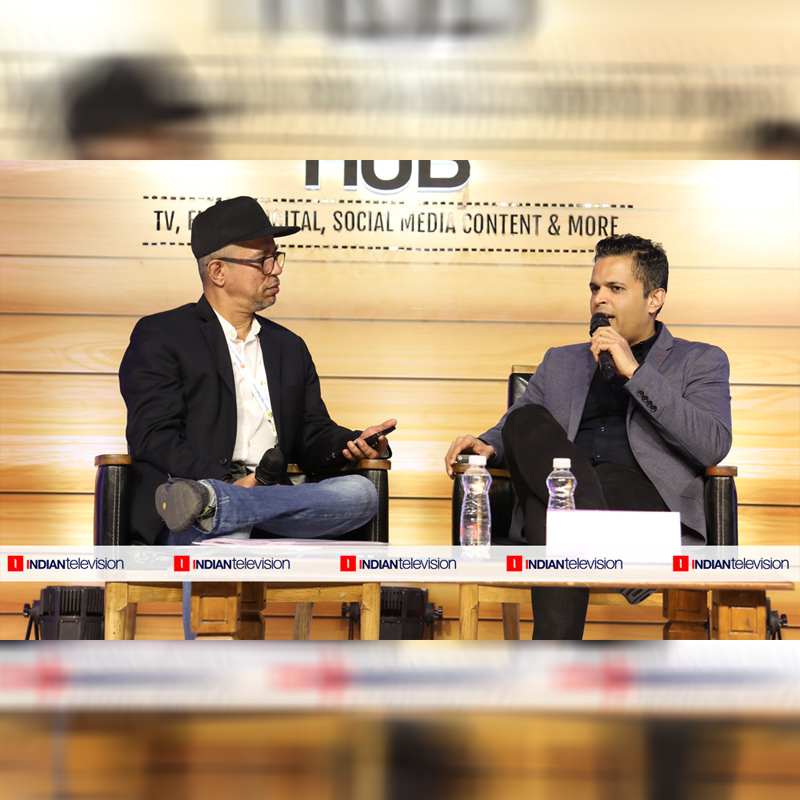
MUMBAI: Streaming services started democratising content creation a couple of years ago but TikTok has made easier for the mass also to express and create. Bytedance’s most popular app has taken young Indians by a storm along with boosting vertical video growth. TikTok India head Nikhil Gandhi said that they have been now on the forefront of creating a new economy.
Gandhi got the mandate to lead ByteDance’s most aspiring product in India last year. In a fireside chat with Indiantelevision.com founder, CEO and editor-in-chief Anil Wanvari at the Content Hub 2020, the TikTok India head shared the growth of short-format video, how TikTok is helping a new breed of creators, how they maintain a self-moderated standard of content. He said that the app actually promotes and inspires creativity. Moreover, it has given wings to young creators to fly , to showcase their creativity and bring out their art form.
As he comes from a rich broadcasting background, it’s a new learning phase for Gandhi as well. He mentions the suit of four products from ByteDance that operate in India. Along with TikTok, helo, and Vigo Video, the latest addition is a music streaming app Resso. Hence, he pointed out that the suite of apps that they have reach out to all ends of the spectrum. He added that it has been a fascinating journey for TikTok. “We've taken off on a great start. And in the last two years, we've seen massive, massive growth as far as the user base is concerned in India,” Gandhi said. Although he did not reveal the exact number, reports say it boasts of 200 million users in India.

“The average consumer in India spends a little less than three hours a day on TV. But he spends about three and a half hours a day being online. And out of that, he spends about two hours plus just watching video content. So I think it's a very, very encouraging trend for content creators who are in the digital space. And I think this is going to continue,” he commented.
Not only video viewing is growing, the bite size, short video content ecosystem also grew by 100 X in the last two years. Gandhi shared the total consumption of short video was about 530 million per month in January 2018. Exactly after two years, about 5.3 billion minutes of short video is being consumed.
“From our analysis, about 70 odd percent of people tend to continue to watch the entire short video which is a full length of one to three minutes. However, the moment you have a video, which is about 20 minutes, almost 24 per cent only consumed the entire content,” he said.
While content creation has already become a career for many youngsters, Gandhi added that if a creator’s video is good, brands will also follow them. According to him, as long as the creator has the ability to promote themselves and bring out the art form, the app lends a lot of support. Many TikTok influencers are now working with brands, getting featured on TV shows, collaborating with B-Town faces. Even established creators are gradually coming on the platform. He said that the platform hosts right from popular creators to unique talent, which is unlikely on other platforms. He added that the discoverability is huge.
But along with more native creators, the risk of unsolicited content also increases. Gandhi noted that TikTok has got a very comprehensive set of community guidelines to create awareness about trust and safety. They keep updating community guidelines every year.
“We do a lot of social awareness campaigns for creators to make them conscious to promote the fact that they should be posting responsibly and sensitive issues that are related to India and overall trust and safety. And anybody who violates our community guidelines is not welcome on the app. So we take those content off the app,” he pointed out.
“We have a very strong tested safety moderation system, which is a huge factory of about a huge number of people who are just constantly moderating content and the numbers of the total uploads as is huge on a daily basis is in India. So it's a very, very big push for us,” he added.






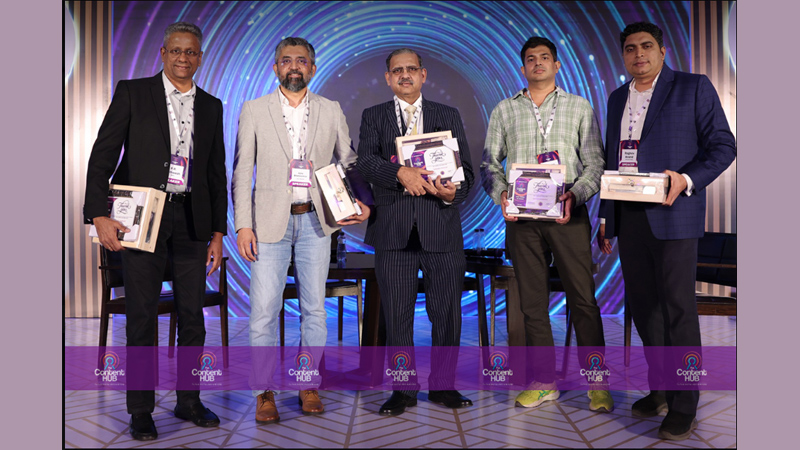
Mumbai: Exploring the shift from regional to national content, this synopsis delves into the trends and challenges. It navigates the transformation, analyzing industry dynamics, emerging trends, and the hurdles faced. From preserving regional variation to adapting to a broader audience, it examines the multifaceted journey of regional content evolving into a national narrative. In what ways do the emerging trends and challenges influence the dynamics of the entertainment industry during this transition? How can creators navigate these changes effectively? What strategic approaches can content creators adopt to strike a balance between maintaining regional identity and fostering a cohesive national narrative in their work? How can the transition from ‘regional’ to ‘national content’ impact cultural diversity within the entertainment industry, and what measures can be taken to ensure the preservation of regional variation?
In a rapidly evolving media landscape, seasoned industry professionals have offered valuable insights into the transformation of content consumption and production. The session was chaired by Ernst and Young partner Raghav Anand, MMTV chief executive officer P.R. Satheesh, Sony Marathi business head Ajay Bhalwankar, PTC Network chairman & MD Rabindra Narayan, Shemaroo Entertainment COO, Digital, Saurabh Srivastava esteemed voices in the field, have articulated their perspectives on the burgeoning shift towards globalised content.
Rabindra Narayan emphasised the dissolution of regional boundaries in content consumption, attributing it to the accessibility facilitated by global platforms and connectivity options. He predicts a future where language barriers will fade, citing the potential of technology to clone and adapt voices, thus enabling seamless localization across languages.
Saurabh highlighted the democratisation of content creation in the digital era, underscoring its empowerment and revenue potential, particularly in linguistically diverse markets like India. He emphasizes the value of culturally rooted storytelling in filling gaps in content supply, with technology enabling effective monetization, especially through OTT platforms.
Ajay Bhalwan sheds light on the evolving landscape of Hindi and regional language content, noting a significant shift where a substantial portion of content on Hindi film channels originates from regional languages. He accentuates the importance of language in enhancing authenticity and audience engagement, exemplified by the strong resonance of Marathi content in Maharashtra.
PR Satheesh underscored the paramount importance of content quality in driving viewership and transcending language barriers. Drawing parallels with the global popularity of Korean dramas, he advocates for leveraging technology, including AI and real-time translations, to enhance content creation and distribution.
These insightful perspectives collectively echoed the industry’s adaptation to a globalised content landscape, where technology catalyzes innovation and accessibility. As content continues to evolve, these experts offered valuable guidance on navigating the dynamic media landscape and maximizing the impact of storytelling in diverse markets worldwide.







