iWorld
Shemaroo hopes to grow at 38% CAGR over the next few years

MUMBAI: For the last three-four quarters, Shemaroo Entertainment Ltd has been guiding for softer margins due to investments in multiple initiatives. Among other initiatives, the new streaming service ShemarooMe and device business have also left an overall impact due to the higher investment. However, the company hopes to reap benefit from the new initiatives both in terms of margin and top-line. Despite some cyclical issues, the company hopes to grow at 38 per cent CAGR or higher over the next few years.
“If you see even for this quarter, the people expenses are up by about 40 per cent. Other expenses are up by 50 per cent. So, there is a certain investment that is being done. There are certain cyclical aspects, how long they will last? We do not know. So, it is very difficult for me to guide for the rest of the year because the economy is in a certain state,” Shemaroo Entertainment CEO Hiren Gada commented in an earnings call after Q1 FY 19 results.
But he also noted that over the last several decades of being in business, they have seen many cycles which have been regarded as opportunities to actually build longer-lasting and better return businesses.

While new media growth also slowed down to 25 per cent from 35 per cent, the telecom segment contributed 40 to 45 per cent to the overall revenue and the rest of the contribution was equally split between YouTube and syndication having 27 to 30 per cent. Though YouTube and syndication both continue to grow more or less equally fast, Gada hopes that over the next few quarters, ShemarooMe also will kick-in in terms of monetisation and revenue.
“Telco piece is now in a phase where that business is transitioning from a feature phone product to the smartphone; the market itself is transitioning from feature phone to smartphone. So, that is the whole aspect of that business. So, that business in a way you can say will be shrinking over the next few quarters,” Gada added.
Despite overall growth in the YouTube segment, the growth in revenue has been significantly lower compared to viewership growth as the realisations on a CPM basis, the ad rate basis continue to fall.
“So, this quarter, definitely YouTube has at least grown or come back into the growth trajectory or rather, I would say remained in the growth trajectory which it was towards the end of last year that has continued. So, that is one thing, in terms of the overall growth of digital media, I think one is that the base is now significantly higher. So, definitely that base effect is bound to kick in. That is one reason for the slowdown,” Gada added.
Shemaroo recently launched its over-the-top platform ShemarooMe in a market where more than 30 players are trying to win over consumers. Rather than creating web series or acquiring the latest and greatest movie blockbusters, Shemaroo has focused on segmenting the audience based on consumer needs.






iWorld
What SMS letters G, T, S and P mean and how they help spot scams
Small alphabet tags on messages reveal whether texts are government or ads.
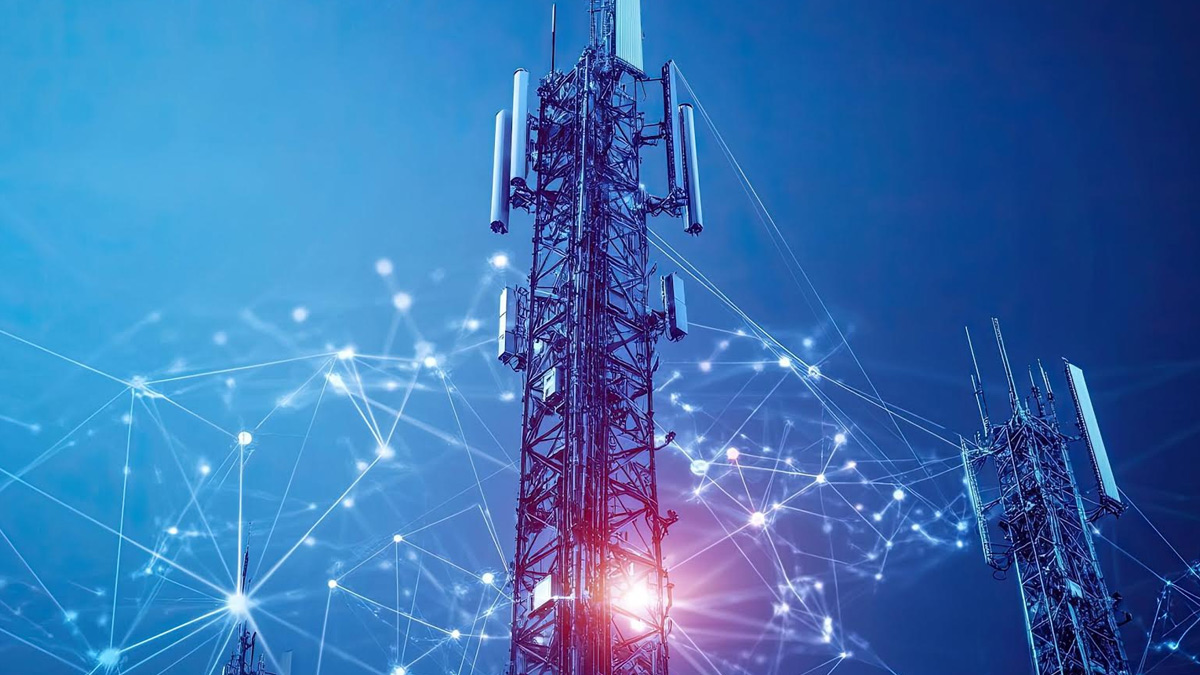
MUMBAI: Sometimes the smallest letter in a message can be the biggest clue. In an age where smartphone users receive dozens of alerts every day, the tiny alphabet appearing at the end of many SMS messages can reveal whether a text is official, transactional, service related or simply promotional. Understanding these tags can help users quickly identify legitimate messages and stay alert to potential scams.
Under telecom regulations in India, SMS senders are required to categorise messages based on their purpose. As a result, many texts end with a single letter that indicates the type of communication being sent.
If an SMS ends with the letter G, it typically means the message has been sent by a government authority. These alerts may include information about public services, government schemes, safety advisories or emergency notifications such as natural disaster warnings.
A message ending with the letter T signals a transactional SMS. These are usually sent by banks, financial institutions or digital services to confirm activities such as payments, account updates or one time passwords (OTPs).
The letter S represents a service related message. These notifications commonly come from companies and online platforms providing updates about services or orders. For instance, e commerce platforms like Amazon or Flipkart often send delivery updates and order confirmations that end with the letter S.
Meanwhile, SMS messages ending with the letter P are promotional in nature. These texts are typically marketing communications sent by businesses advertising products, offers or services such as education programmes, fashion sales or loan schemes.
Understanding these simple tags can also help users stay cautious about fraudulent messages. Cybersecurity experts note that scam messages often do not follow these regulated formats and may arrive without any category letter at the end.
While the absence of a tag does not automatically mean a message is fraudulent, it can serve as an early warning sign encouraging users to verify the source before clicking links or sharing personal information.
For those who wish to reduce marketing texts altogether, telecom operators also provide Do Not Disturb (DND) options.
Users of Jio can activate DND through the MyJio app by navigating to the menu, selecting settings and enabling the DND option with preferred filters.
Similarly, subscribers of Airtel and Vi can enable the same feature through their respective mobile apps to block promotional messages.
In a digital world flooded with alerts and notifications, recognising what a single letter means could make the difference between a harmless update and a potential scam.