Hindi
Shah Rukh Khan launches production company in the US

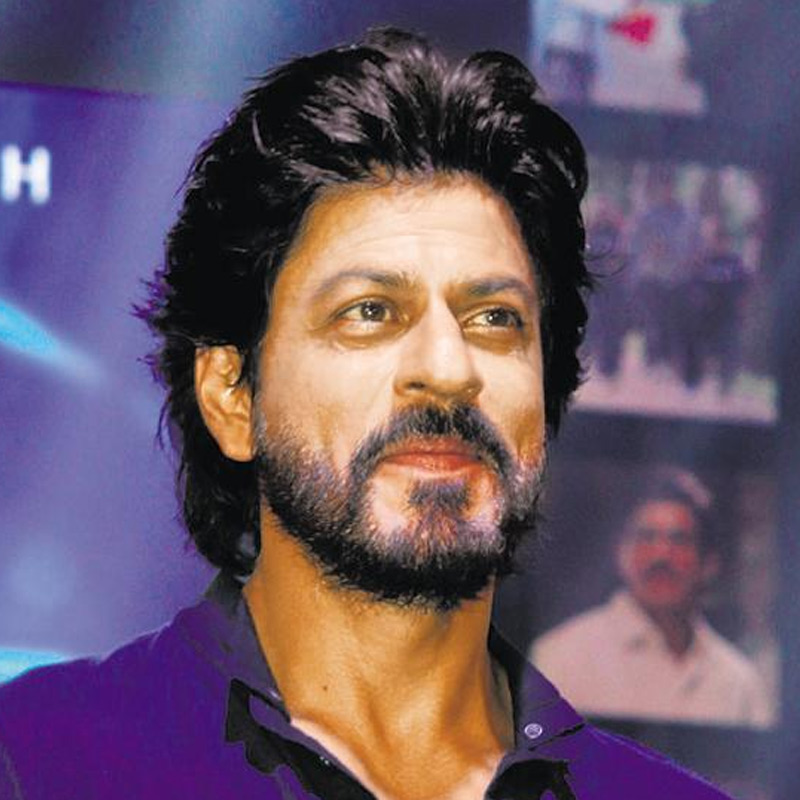
MUMBAI: While major players like Reliance Big Pictures and Dharma Productions are already testing out Hollywood waters, there’s a new entrant on the scene. Shah Rukh Khan recently launched his production company Red Chillies USA, setting his eyes on international production values and the American box office.
Charged with expanding the company’s digital presence while also securing partnerships with American production houses, the unit would be headed by Shailja Gupta.
“I want to start the company off with a bang. But I’d like the work to speak for itself,” Gupta has reportedly observed.

Red Chillies is not just about promoting the idea of Bollwood in the US. By claiming a presence overseas, the production house hopes to improve the quality of its own film production, whether it means shopping for scripts to co-produce or partnering with cutting-edge technicians.
Drawing attention to Bollywood’s growing need to join forces with its American counterpart for survival’s sake, Gupta said, “Hollywood’s reach is everywhere; they’ve gobbled up a lot of industries across the world—India and its urban audiences are next. We’re hoping when we tie up with Western filmmakers, they’ll introduce a certain way of writing that we can learn from because Bollywood really needs to buck up on its scripts.”
Launched in 2002, Red Chillies Entertainment, the parent company of Red Chillies USA, began its operations in Mumbai as a production house co-founded by Shah Rukh Khan and his wife, Gauri. The company later branched out to include other divisions including an in-house visual effects studio at Andheri.
Khan’s popularity among non-resident Indians is likely to help the company take off in the U.S. “Shah Rukh often jokes that he’s an NRI actor, so having his brand recognised worldwide has never been an issue,” added Gupta.
Khan’s NRI appeal can be attributed to memorable performances in blockbusters like Dilwale Dulhaniya Le Jayenge, Kuch Kuch Hota Hai and Kabhi Khushi Kabhi Gham.







Hindi
MIFF 2026 to return to Mumbai; film entries open till April 12
19th edition to host WAVES Doc Bazaar, spotlighting global documentary talent
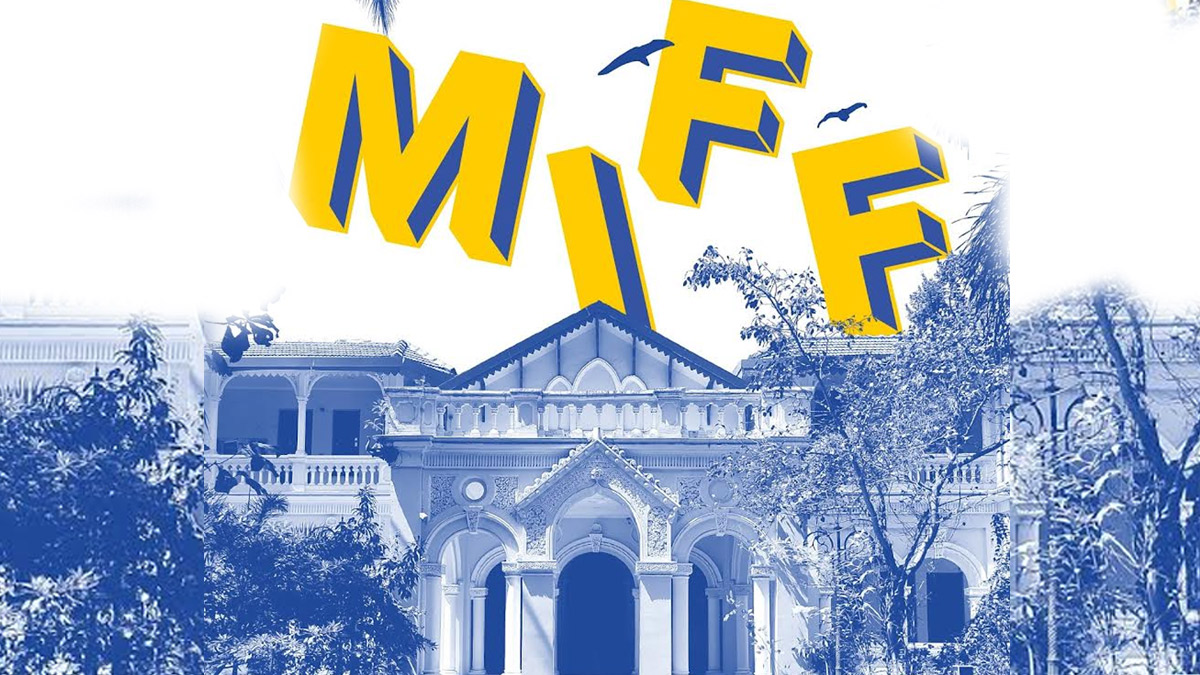
MUMBAI: The 19th edition of the Mumbai International Film Festival 2026 is set to take place from June 15 to 21 at the NFDC Complex, with film submissions currently open and the deadline fast approaching on April 12.
Organised by the National Film Development Corporation under the Ministry of Information and Broadcasting, the biennial festival remains one of South Asia’s most prominent platforms for documentary, short fiction and animation films.
Filmmakers, producers and content creators from across the globe have been invited to submit entries via the Film Freeway platform for the Competition Section. Offline submissions will not be accepted, reinforcing a fully digital entry process.
MIFF 2026 continues to sweeten the deal with a robust awards pool of Rs 55 lakh. The coveted Golden Conch for Best Documentary carries a top prize of Rs 10 lakh, alongside multiple awards across categories, making it one of the most lucrative non-feature film festivals in the region.
A key highlight this year will be the second edition of the WAVES Doc Bazaar, scheduled from June 16 to 18 alongside the festival. Designed as a hub for collaboration, the Doc Bazaar will feature a co-production market, viewing rooms and a work-in-progress lab, bringing together global buyers, sellers and creators under one roof.
Since its inception in 1990, MIFF has built a reputation as a serious showcase for non-feature cinema, drawing participation from filmmakers worldwide. The previous edition saw over 350 films from more than 30 countries, underlining its growing international footprint.
With submissions closing soon and preparations underway, MIFF 2026 is shaping up to be a vibrant meeting point for storytelling, collaboration and cinematic craft, offering filmmakers both a stage and a springboard.







