iWorld
Senators turn up heat on Netflix over Warner Bros takeover

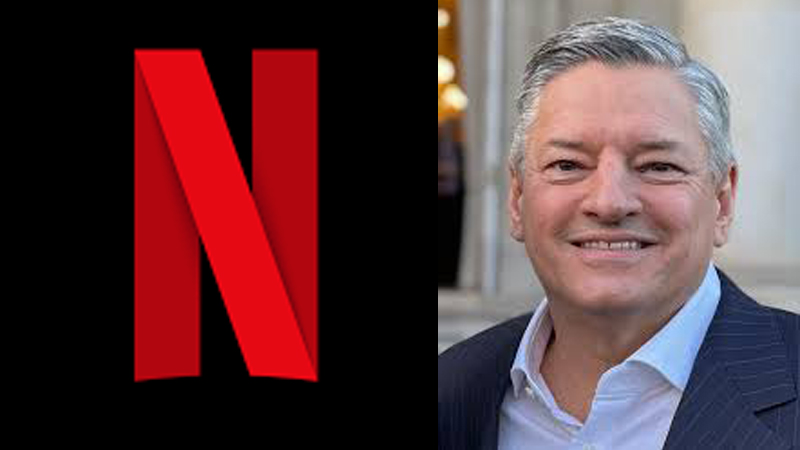
CALIFORNIA: Netflix’s push to swallow Warner Bros Discovery has landed in Washington’s crosshairs. Ted Sarandos, Netflix’s co-ceo, faced pointed questioning from U.S. senators over the company’s proposed $82.7 bn acquisition, as antitrust alarms rang loudly across Capitol Hill.
At a Senate antitrust subcommittee hearing led by Mike Lee, Sarandos appeared alongside Bruce Campbell, Warner Bros Discovery’s chief strategy officer. The mood was sceptical. Lawmakers pressed on how a tie-up of two entertainment heavyweights could tilt the industry’s balance of power.
The Senate cannot block the merger, but the scrutiny was unmistakable. Lee warned the deal could thin job prospects for writers, actors and production crews, restrict rival platforms’ access to Warner’s crown-jewel franchises and give Netflix outsized control over what reaches cinema screens.

“Netflix seeks to become the one platform to rule them all,” Lee said.
The U.S. Department of Justice is now reviewing Netflix’s offer alongside a competing hostile bid from Paramount Skydance. Warner Bros Discovery is prized for its studios, deep content library and global franchises including Game of Thrones, Harry Potter and DC Comics icons such as Batman and Superman.
Paramount Skydance, led by David Ellison, argues its proposal would face fewer regulatory hurdles. Warner Bros Discovery has rebuffed those bids, which would leave Paramount carrying heavy debt. Larry Ellison, David Ellison’s father, has long-standing ties with Donald Trump.
Politics hovered over the proceedings. Cory Booker asked Sarandos about Trump’s potential role after Trump said he would be involved following the deal’s announcement. Sarandos replied he was unsure whether Trump had any involvement.
Netflix has defended its market position by citing Nielsen data showing YouTube attracts more U.S. TV viewing time than any streaming rival. Sarandos argued television is a “zero-sum game,” saying time spent on YouTube or HBO Max comes at Netflix’s expense.
Regulators, however, may look past broad viewing shares and zoom in on narrower markets such as subscription streaming, where concentration could bite harder. That lens could prove decisive.
For now, the battle lines are drawn. Big media wants scale; regulators want guardrails. As streaming’s wars shift from content to consolidation, the real drama may play out not on screen, but in courtrooms and committee rooms. In the fight for Hollywood’s future, the script is still being written.





iWorld
OpenAI hits back at Elon Musk’s lawsuit ahead of trial
Company calls claims “baseless” and accuses Musk of trying to disrupt a rival.
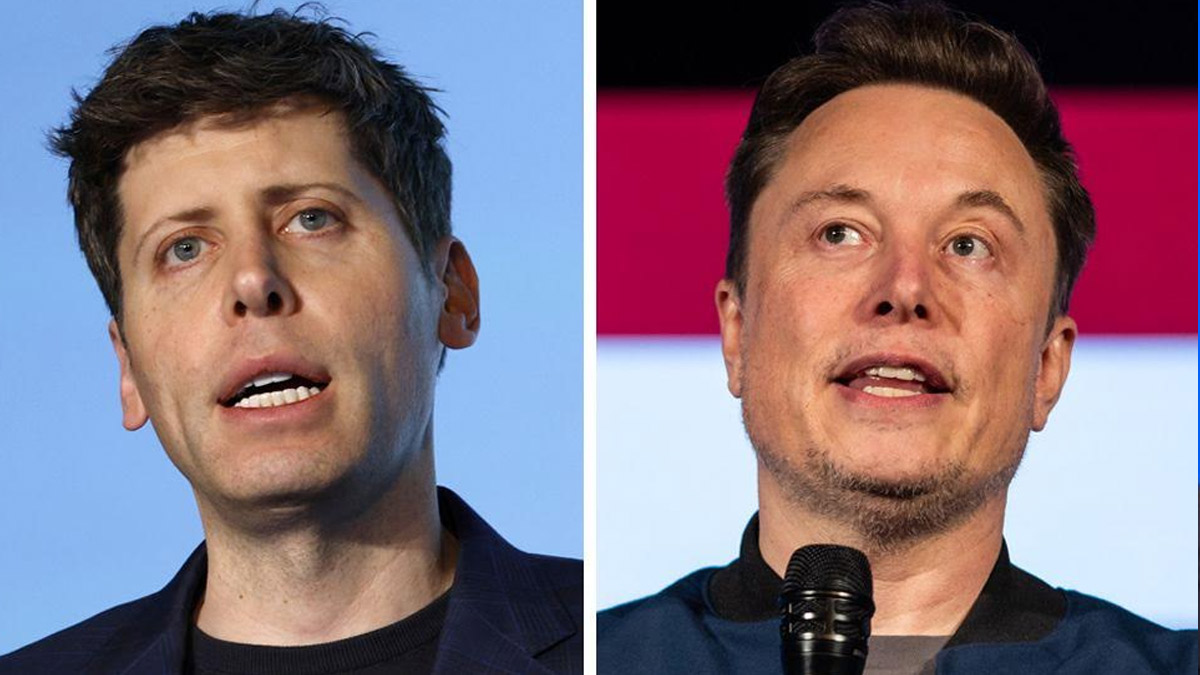
MUMBAI: When the stakes are measured in billions and egos are involved, even Silicon Valley titans can turn a courtroom into a battlefield. OpenAI has issued a sharp public response to Elon Musk’s ongoing lawsuit, accusing the billionaire of filing the case to harass a competitor rather than address genuine concerns. In a strongly worded statement shared on its official X account, OpenAI described Musk’s allegations as “baseless” and suggested the lawsuit is an attempt to disrupt the company as the case heads toward trial later this month in Oakland, California.
The response comes after Musk’s legal team recently amended the complaint, proposing that any damages potentially exceeding $150 billion should go to OpenAI’s nonprofit entity rather than to Musk personally. OpenAI questioned the timing and motive behind this change, calling it a late-stage attempt to “pretend to change his tune” on the nonprofit structure.
The company further labelled the lawsuit a “harassment campaign”, arguing that Musk’s actions are driven by personal rivalry, ego, and a desire for greater control and financial upside.
At the heart of the dispute is Musk’s claim that OpenAI has abandoned its original nonprofit mission of developing artificial intelligence for the benefit of humanity. A co-founder who left in 2018, Musk is seeking governance changes, including the removal of CEO Sam Altman from the nonprofit board, and the return of certain financial gains linked to Altman and President Greg Brockman.
OpenAI has firmly rejected these allegations, maintaining that its current hybrid structure, a public-benefit corporation overseen by a nonprofit parent remains true to its long-term goals. The company has also previously accused Musk of anti-competitive behaviour aimed at weakening its leadership.
As the case prepares for a jury trial, this public exchange highlights the deepening rift between two of the most influential figures in the AI revolution and raises broader questions about governance, mission, and power in the fast-moving world of artificial intelligence.
In the high-stakes game of AI, it seems the real drama isn’t just inside the models, it’s playing out in courtrooms too.






