Gaming
Scoop, score, chill repeat as Mother Dairy drops into esports arena

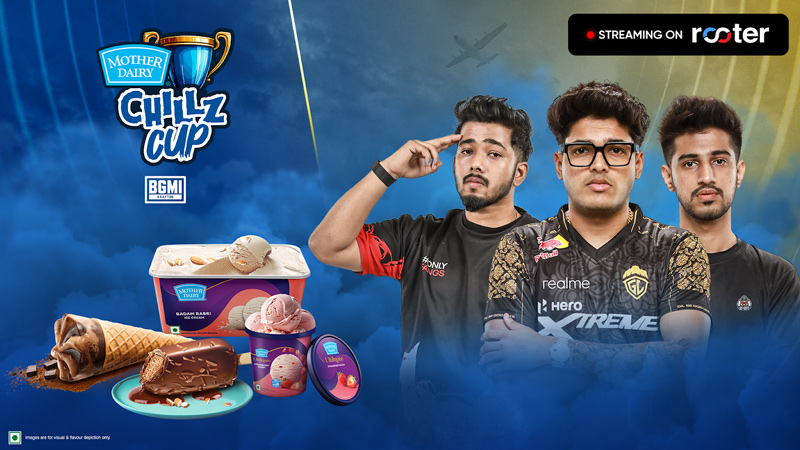
MUMBAI: When the heat is on and the stakes are high, a scoop of calm can go a long way. And this summer, it came with sprinkles of glory and a side of gaming grit. Mother Dairy has officially levelled up. In a sizzling first, the iconic dairy brand dipped into the world of esports with the Mother Dairy Chillz Cup, a high-octane gaming tournament hosted in partnership with Rooter, India’s largest game streaming and commerce platform. With 64 top teams and over 2,000 gamers facing off in an epic Battlegrounds Mobile India (BGMI) showdown, it wasn’t just about victory, it was about staying cool while doing it.
And that’s where the magic happened. As players braved virtual crossfire and tactical pressure, Mother Dairy’s ice creams emerged as the real MVPs, cooling the nerves with indulgent favourites like Banoffee Pie, Pina Colada, Filter Coffee Cone, and the ever-quirky Choconado. It was a gaming-meets-gastronomy experience like no other.
The final clash on May 11, 2025, wasn’t just a gaming finale, it was a festival of fandom. Crowds cheered, creators scooped up frozen delights, and elite teams like iqoo Soul, Godlike, and Revenant X Spark brought their A-game in front of roaring fans.

Speaking about the collaboration, Mother Dairy Spokesperson said, “Ice creams are all about excitement and fun. We are thrilled to partner with Rooter for the Mother Dairy Chillz Cup, marking our entry into the dynamic and fast-growing world of esports. This association enables us to connect with a younger audience through a platform that thrives on energy, engagement, and innovation. The Chillz Cup truly embodies our brand’s youthful spirit and commitment to delivering the coolest experiences.”
Rooter founder and CEO Piyush said “We’ve always believed in creating meaningful partnerships that bring value to both the gaming community and our brand partners. The Chillz Cup was a great example of how a legacy brand like Mother Dairy could connect with a digital-first audience in their native environment, making it a fun, and memorable experience. The Chillz Cup captured the cool spirit of gaming staying calm under pressure and outplaying rivals with a cool head just like enjoying a scoop of ice-cold Mother Dairy Ice Cream on a hot day. We are proud to collaborate on a campaign that celebrates high-performance gaming while adding an element of summer joy to the esports experience”
From frosty cones to fiery comebacks, the Chillz Cup didn’t just serve scoops, it served up a new era of brand storytelling in gaming. And with esports now firmly on Mother Dairy’s menu, the summer just got a whole lot cooler.




Gaming
Konami concludes successful eFootball India campaign
Campaign featuring Rinku Singh, Varun Chakravarthy and other stars boosts engagement ahead of FIFA World Cup 2026.
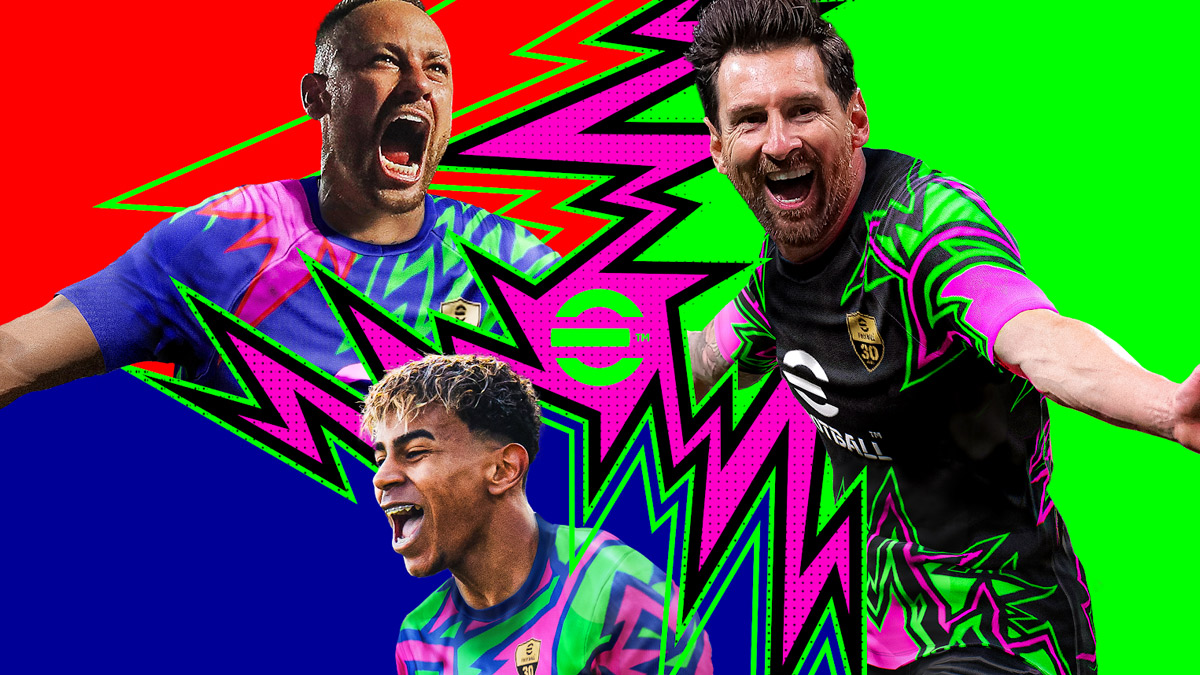
MUMBAI: When cricket meets football in the virtual world, even the biggest fans can’t help but score and Konami’s latest eFootball campaign in India has clearly hit the back of the net. Konami Digital Entertainment has successfully wrapped up its India campaign for eFootball, which brought together cricketers Rinku Singh and Varun Chakravarthy, actors Naslen Gafoor and Chandu Salim Kumar, and footballers Sahal Abdul Samad and Shubhasish Bose. The multi-star campaign generated strong excitement across gaming, football, and creator communities through social content, fan participation, and in-game engagement.
Building on the initial launch that featured a limited-time Lionel Messi card, the campaign united fan communities, lifestyle creators, football creators, and competitive eFootball influencers. It significantly expanded the game’s visibility and deepened engagement with fans across the country.
The campaign also saw thousands of entries submitted as part of its social media engagement challenge, reflecting high levels of community enthusiasm and active creator involvement.
Looking ahead, Konami plans to build on this momentum with more eFootball experiences for Indian fans as the FIFA World Cup 2026 approaches. With global attention on the tournament set to rise, India will remain a key market for deepening community engagement and bringing fans closer to the action.
In a country that lives and breathes sport, Konami has shown that mixing real-world stars with virtual thrills is a winning formula leaving fans eagerly waiting for the next goal.






