iWorld
Ronnie Screwvala’s Unilazer invests Rs 15 crore in on-demand platform Timesaverz

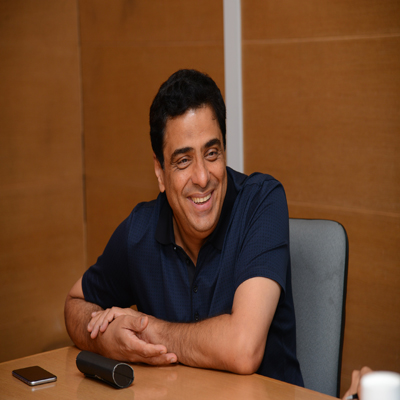
MUMBAI: Ronnie Screwvala’s Unilazer Ventures has pumped in Rs 15 crore in an on-demand home services platform Timesaverz. This Series A funding will be used to expand services of the startup in new markets.
Founded in 2013 by Debadutta Upadhyaya and Lovnish Bhatia, the Mumbai based startup operates in six key metros namely Bangalore, Delhi, Gurgaon, Hyderabad, Noida and Pune, growing at a 100 per cent rate QoQ. The service is available for both Android and iOS users.

Screwvala said, “On-demand home services comprise the new frontier of e-commerce where service is now a product. Large companies are going to be created in this space and we will work closely with the founders to make Timesaverz a leader in an existing $5 billion industry with immense growth potential.”
Timesaverz co-founder and CEO Debadutta Upadhyaya added, “Timesaverz started as a 2-hub operational company in Mumbai two years ago and has since grown to cater to one service request every three seconds and manages fulfilment through a 1000+ Timesaverz partner network. Since the launch of its both on web and mobile application, it has been witnessed growth in visitations and 80 per cent of the traffic is through mobile. The recent round of funding is aimed at bolstering our technology solutions and strengthening our product portfolio.”




iWorld
OpenAI hits back at Elon Musk’s lawsuit ahead of trial
Company calls claims “baseless” and accuses Musk of trying to disrupt a rival.
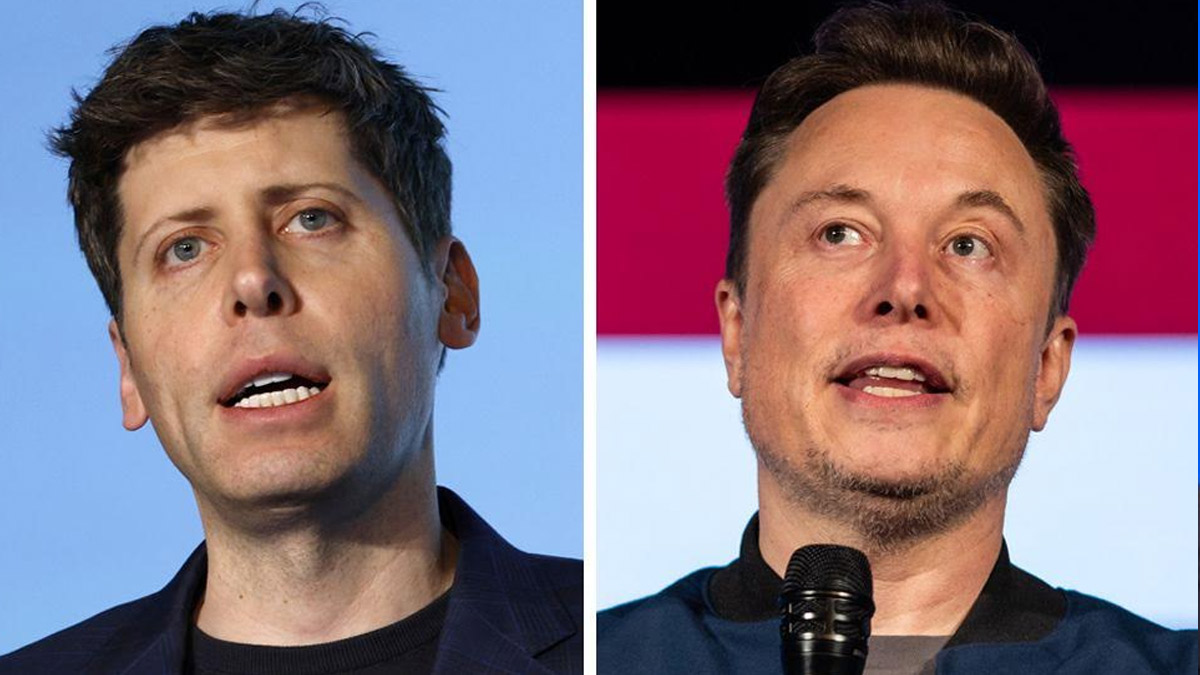
MUMBAI: When the stakes are measured in billions and egos are involved, even Silicon Valley titans can turn a courtroom into a battlefield. OpenAI has issued a sharp public response to Elon Musk’s ongoing lawsuit, accusing the billionaire of filing the case to harass a competitor rather than address genuine concerns. In a strongly worded statement shared on its official X account, OpenAI described Musk’s allegations as “baseless” and suggested the lawsuit is an attempt to disrupt the company as the case heads toward trial later this month in Oakland, California.
The response comes after Musk’s legal team recently amended the complaint, proposing that any damages potentially exceeding $150 billion should go to OpenAI’s nonprofit entity rather than to Musk personally. OpenAI questioned the timing and motive behind this change, calling it a late-stage attempt to “pretend to change his tune” on the nonprofit structure.
The company further labelled the lawsuit a “harassment campaign”, arguing that Musk’s actions are driven by personal rivalry, ego, and a desire for greater control and financial upside.
At the heart of the dispute is Musk’s claim that OpenAI has abandoned its original nonprofit mission of developing artificial intelligence for the benefit of humanity. A co-founder who left in 2018, Musk is seeking governance changes, including the removal of CEO Sam Altman from the nonprofit board, and the return of certain financial gains linked to Altman and President Greg Brockman.
OpenAI has firmly rejected these allegations, maintaining that its current hybrid structure, a public-benefit corporation overseen by a nonprofit parent remains true to its long-term goals. The company has also previously accused Musk of anti-competitive behaviour aimed at weakening its leadership.
As the case prepares for a jury trial, this public exchange highlights the deepening rift between two of the most influential figures in the AI revolution and raises broader questions about governance, mission, and power in the fast-moving world of artificial intelligence.
In the high-stakes game of AI, it seems the real drama isn’t just inside the models, it’s playing out in courtrooms too.






