Hollywood
Robert Redford, Hollywood golden boy and Sundance film festival pioneer, passes on at 89

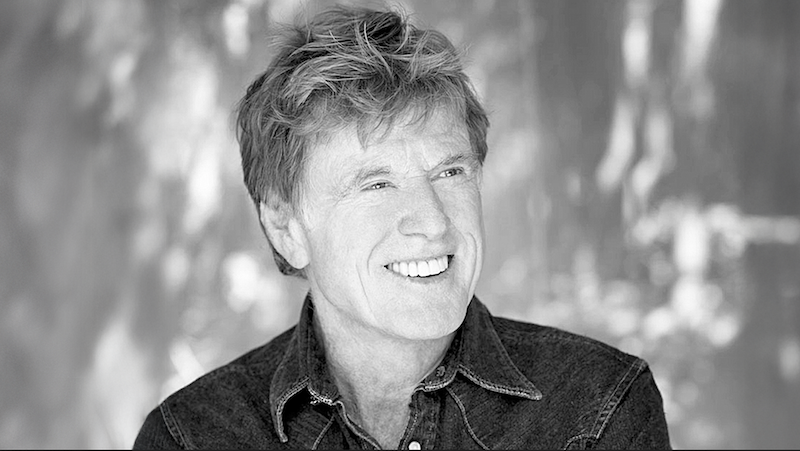
MUMBAI: Robert Redford, the incandescent star of Butch Cassidy and the Sundance Kid, The Sting and All the President’s Men, has died aged 89. His publicist Cindi Berger said he passed away on 16 September “at Sundance in the mountains of Utah – the place he loved, surrounded by those he loved”.
Redford was far more than a matinee idol. After conquering the 1970s box office with a string of hits, he turned to directing and won a best director Oscar for Ordinary People in 1981. He then rewrote the rules of American cinema by founding the Sundance Institute and the Sundance film festival, which became the crucible of independent film-making and launched the careers of Quentin Tarantino, Steven Soderbergh and countless others.
The Sundance Institute, the organisation he nurtured for more than four decades, issued a moving statement that read like a farewell to a guiding spirit. “Our founder, mentor and friend, Robert Redford, has passed away,” wrote acting chief executive Amanda Kelso and founding senior director Michelle Satter. “Bob’s vision launched a movement that, over four decades later, has inspired generations of artists and redefined cinema in the US and around the world. The vibrant storytelling landscape we cherish today is unimaginable without his passionate drive and principled leadership.”
The note went on to praise his character as much as his achievements: “Beyond Bob’s enormous contributions to culture at large, we will miss his generosity, clarity of purpose, curiosity, rebellious spirit, and his love for the creative process. We are humbled to be among the stewards of his remarkable legacy, which will continue to guide the institute in perpetuity.”
Redford’s own journey was a Hollywood script in itself. Born Charles Robert Redford Jr in Santa Monica in 1936, he dabbled in art and baseball before studying acting in New York. Early TV work led to Broadway acclaim in Barefoot in the Park and a breakout film role opposite Paul Newman in 1969’s Butch Cassidy and the Sundance Kid. That began a decade of defining performances—Jeremiah Johnson, The Way We Were, The Great Gatsby, Three Days of the Condor—culminating in his dual role as producer and star of All the President’s Men.
His later career was equally varied. He played a weathered baseball hero in The Natural, an adventurous lover in Out of Africa, and delivered a near-silent tour de force in All Is Lost (2013). He even joined the Marvel franchise as the duplicitous Alexander Pierce.
A lifelong environmentalist and liberal voice, Redford campaigned against the Keystone XL pipeline and championed documentaries exposing political and ecological failings. Honours flowed: an honorary Oscar in 2002, a lifetime achievement Golden Lion in Venice in 2017, a César in 2019 and the Presidential Medal of Freedom from Barack Obama in 2016.
The Sundance Institute’s tribute captures the consensus on his influence: “Thank you for your participation in our work that carries on Bob’s mission and vision,” the letter concluded. “The vibrant storytelling landscape we cherish today is unimaginable without his passionate drive and principled leadership.”
Redford is survived by his wife Sibylle Szaggars, daughters Shauna Schlosser Redford and Amy Redford, and seven grandchildren—an enduring family legacy to match the cinematic one that bears his name.