I&B Ministry
Rare peep into the fragrant culture and traditions of the north east

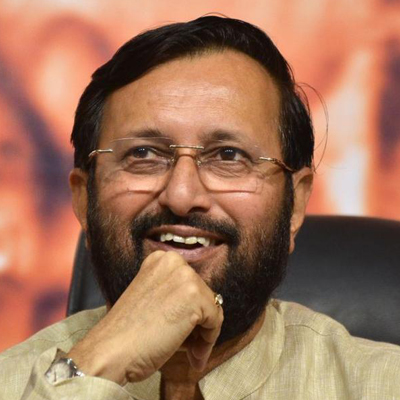
NEW DELHI: Inaugurating the three day North East Film Festival, Information and Broadcasting Minister Prakash Javadekar said that the Government is fully committed to mainstream new initiatives in the North Eastern region in all sectors including the film industry.
He also added that there was need to harness the rich potential of the region with regards to its geographical and cultural diversity. The initiatives outlined in the budget reiterated the commitment of the Government in mainstreaming the North East region.
The theme of the three day North East Film Festival was ‘Fragrances from the north east.’
Speaking at the event, the I&B Minister said, “The film festival would be a memorable cultural experience in showcasing the potential of the region in the Media and Entertainment sector of the region. A testimony to this fact was the increasing number of awards won by the films from the north east at the National Film Awards every year. The Ministry would always be supportive in providing all possible support for promoting films in the region. The Satyajit Ray Film and Television Institute at Kolkata provided a platform to the students of the north eastern region to harness their talent in the domain of film making.”
On the occasion, Meghalaya Chief Minister Mukul Sangma also highlighted the different initiatives undertaken by the State Government to build a strong base for film making in the region. He specifically referred to the policies being developed to provide infrastructure to host any international film festival, and also to help filmmakers who wanted to come to the region to shoot their films.
The inaugural function was attended by actors and directors from the region, including Manju Borah, Geetanjali Thapa, Oinam Gautam Singh, Mapuia Chawngthu, Alex Lalchhuankima, Abdul Muzid, Tashi Lhamu, Leishangthem Tonthoingambi Devi and Meena Debbarma.
The function was followed by a cultural evening by Papon, singer and composer along with his band ‘The East India Company’.
While Khawnglung Run (Mizoram), directed by Mapuia Chawngthu was the opening film of the festival, the closing film of the three-day Festival concluding on 24 August will be RI: Homeland of Uncertainty, directed by Pradip Kurbah.
Directorate of Film Festival director Shankar Mohan stated, “This festival was in continuation of a focus on films from the north east during the last International Film Festival of India in November last year, and the Festival of Indian Panorama films held in Shillong in March this year.”
The festival will also include an exhibition of paintings, exhibition-cum-sale of handicrafts and artifacts from the north east organised by the Culture Ministry and special north east food stalls representing cuisines from all eight states of north-east. It will be curated by veteran journalist and filmmaker Utpal Borpujari.
Other films being screened at the event includes Yarwng in Kokborok by Joseph Pulinthanath; Phijigee Mani in Manipuri by O Gautam Singh; Sonam in Monpa by Ahsan Muzid, Ajeyo in Assamese by the renowned Jahnu Barua etc.