I&B Ministry
R Jaya takes over as JS (Broadcasting) in I&B as Supriya Sahu’s term ends
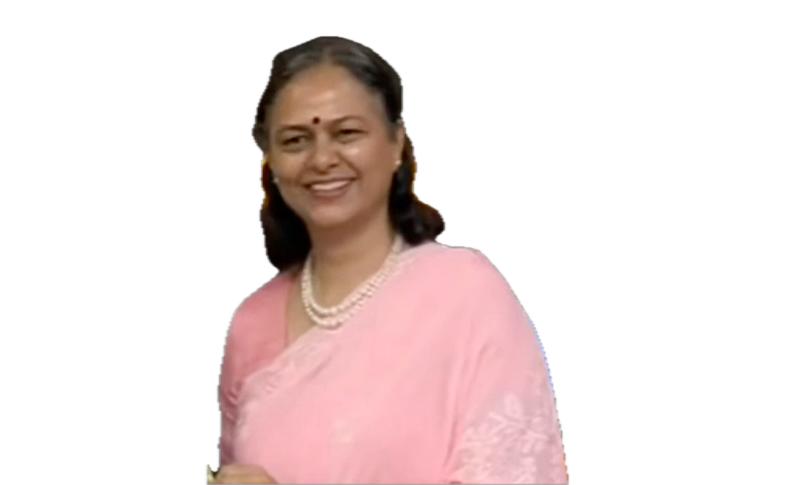
NEW DELHI: Senior Indian Administrative Service (IAS) officer R Jaya has taken over as joint secretary (Broadcasting) in the Information and Broadcasting Ministry following the end of the extended term of Supriya Sahu.
Sahu, whose term ended in June but was given a three-month extension, has sought leave for two months and will be posted elsewhere, later.
Tamil Nadu-cadre officer Jaya was member secretary in National Council for Teacher Education under the Department of School Education and Literacy.
Jaya is from the 1995 batch of the Tamil Nadu cadre and also worked in the Rural Development, Home and Personnel ministries before her last assignment in the Human Resource Development Ministry.
Sahu is also from the Tamil Nadu cadre of IAS 1991 batch. She was handling the transition to digital addressable systems for cable television at present, apart from conducting the weekly open house meetings with multi-system operators and cable operators with regard to licensing and other issues.
She had joined the I&B Ministry as director in July 2009 and was promoted to joint secretary in October 2011.
Meanwhile, Puneet Kansal, an IAS officer from the 1996 batch from Sikkim, has been elevated and transferred as JS to the I&B Ministry against a vacant post. He is expected to look after FM and community radio.
On deputation to the Centre since February 2009, he was until recently, director in the Power Ministry.

I&B Ministry
Prasar Bharati sets EPG standards for DD Free Dish platform
New specs define 7-day guide, LCN mapping, and device compatibility.
MUMBAI: Your TV guide just got a backstage pass structured, scheduled, and far more in sync. Prasar Bharati has released detailed technical specifications for Electronic Programme Guide (EPG) services on DD Free Dish, laying down a standardised framework for how channels and programme information are organised and delivered. At the core of the update is a defined EPG data structure, covering genre-based categorisation, scheduling formats, and Logical Channel Numbering (LCN). The aim is simple: make navigation less guesswork and more guided experience across the platform’s over 40 million households.
The specifications also introduce a seven-day programme guide window for each channel, alongside clear rules for channel grouping and LCN mapping effectively deciding not just what you watch, but how easily you find it.
On the technical front, the document outlines requirements for Program Specific Information (PSI) and Service Information (SI), including descriptor usage across tables such as PAT, BAT and NIT. It further details service lists and network linkage parameters, giving OEMs and developers a clearer blueprint for integration.
Importantly, the framework is designed to work seamlessly with television sets equipped with in-built satellite tuners, enabling users to access DD Free Dish directly without additional hardware, an incremental but meaningful step towards simplifying access.
The platform will continue to operate on GSAT-15 transponders, using MPEG-4 compression and DVB-S2 transmission standards, ensuring continuity even as the interface evolves.
While largely technical, the move signals a broader push towards standardisation and user-friendly discovery in India’s free-to-air ecosystem because sometimes, the real upgrade isn’t what’s on screen, but how easily you get there.