Applications
Qualcomm, Tata to launch push-to-talk telecom service


NEW DELHI: Qualcomm Inc, a global leader in code division multiple access (CDMA) digital wireless technology, and Tata Teleservices today announced having signed a non-binding memorandum of understanding (MoU) to launch in India formers push-to-talk service and other next generation mobile services.
Tata Teleservices plans to use Qualcomms BrewChat solution to introduce push-to-talk telecom service in India. This service offers a walkie-talkie on a mobile phone and is being planned to be launched by Tata Teleservices by mid-2004, thereby making the Indian company to be the first CDMA service provider outside the US to launch this service. The Tata company would also become the first entity in the world to commercially launch the BrewChat solution.
The MoU provides a framework for Tata Teleservices to roll out Brew Chat-based services for up to seven million users. Tatas plan to offer Brew-based services to their wireless users in six states of Andhra Pradesh, Delhi, Gujarat, Tamil Nadu, Karnataka and Mahrashtra, Tata Teleservices President Amit Bose said, adding the services would be extended to 11 additional states in next few months.

Commenting on development, Qualcomm President Paul Jacobs said, “We are proud to welcome Tata Teleservices as a newest member of our worldwide operator community and thrilled with their plans to launch the Brew Chat solution”.
Qualocomms Brew system provides products and services that connect the mobile marketplace value chain, which includes application developers, publishers, content providers, devise manufacturers, operators and consumers.
This particular chat solution enables quick push-to-chat functionality on 3G CDMA wireless devices and networks.







Applications
With 57 per cent single new users, Ashley Madison rebrands as discreet dating platform
Platform says majority of new members now identify as single
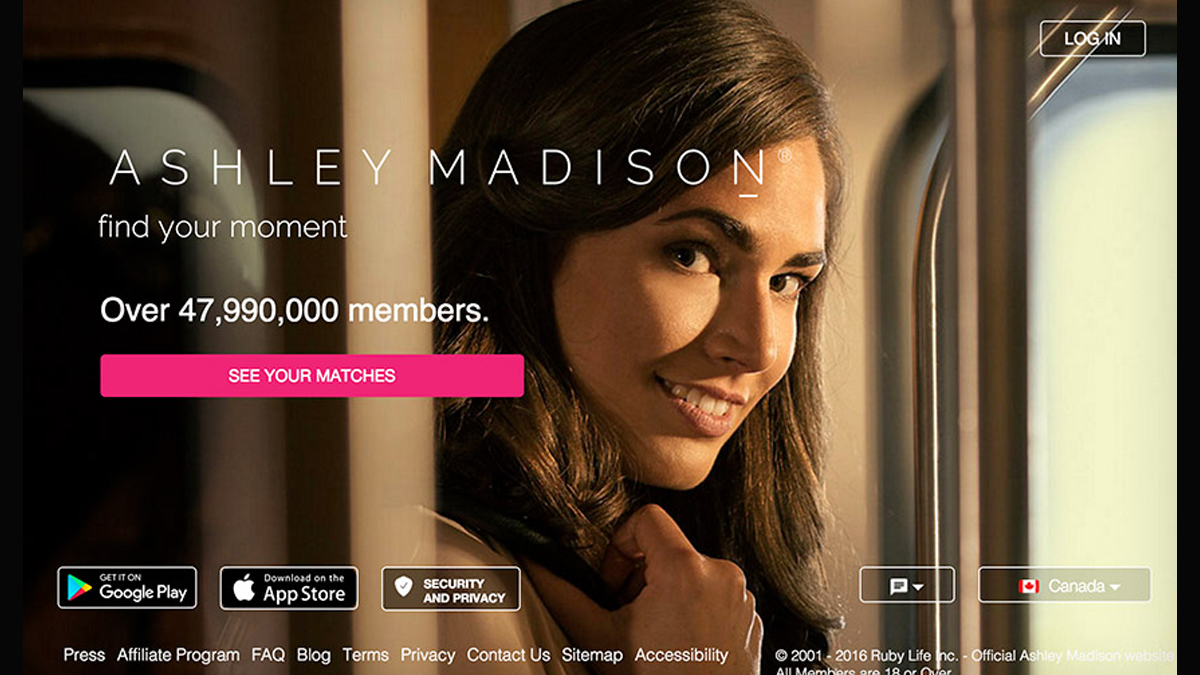
INDIA: Ashley Madison is shedding the “married-dating” label that defined it for two decades, repositioning itself as a platform for discreet dating in what it calls the post-social media age.
The rebrand, unveiled in India on 27 February, 2026, marks a structural shift in business model and identity. Once synonymous with married dating, the company now describes itself as the “premier destination for discreet dating” under a new tagline: Where Desire Meets Discretion.
The pivot is data-driven. Internal figures show that 57 per cent of global sign-ups between 1 January and 31 December, 2025 identified as single: a notable departure from the platform’s married core. The company argues that its community has already evolved beyond its original positioning.
“In an age where our lives have been constantly put on public display, privacy has become the new luxury,” said Ashley Madison chief strategy officer Paul Keable. He framed the platform’s offering as “ethical discretion” for singles, separated, divorced and non-monogamous users seeking private connections.
The shift also taps into wider digital fatigue. A global survey conducted by YouGov for Ashley Madison, covering 13,071 adults across Australia, Brazil, Canada, Germany, India, Italy, Mexico, Spain, Switzerland, the UK and the US, found mounting discomfort with hyper-public online lives.
Among dating app users, 30 per cent cited constant swiping and messaging as a source of fatigue, while 24 per cent pointed to pressure to curate public-facing profiles and early personal disclosure. Some 27 per cent said fears of screenshots or information being shared contributed to exhaustion; an equal share cited unwanted attention.
The retreat from oversharing appears broader. According to the survey, 46 per cent of adults actively try to keep most aspects of their life private online. Only 8 per cent feel comfortable sharing most aspects publicly, while 35 per cent say they are becoming more selective about what they disclose.
Ashley Madison is betting that this cultural recalibration towards controlled visibility can be monetised. By doubling down on privacy infrastructure and reframing itself around discretion rather than infidelity, the company is attempting to convert reputational baggage into a premium proposition.








