Movies
Punjab’s cinema makes waves worldwide

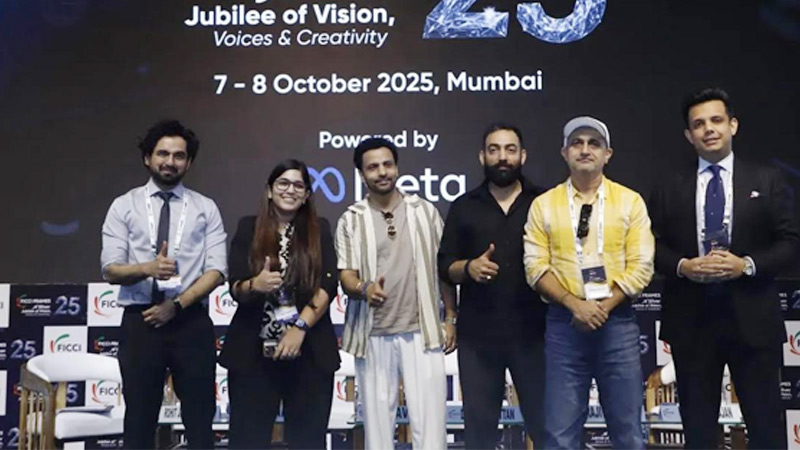
MUMBAI: Punjab is not just about bhangra and beats anymore. At the FICCI Frames 2025, a lively panel explored how Punjabi cinema is evolving beyond comedy and song-and-dance routines into micro-dramas, socially rooted stories, and web series that resonate both at home and with the global diaspora.
Moderated by filmmaker Rohit Jugraj Chauhan, the session featured actors and creators like Manav Vij, Rajiv Thakur, Dheeraj Ratan, Rhea Arora, and Ujjwal Mahajan of Chaupal OTT. The panel delved into how streaming platforms and social media are giving Punjabi stories unprecedented reach.
Chaupal OTT co-founder Ujjwal Mahajan explained the digital revolution behind Punjabi storytelling. “Chaupal is not just a platform; it’s a digital chowpal. Wherever Punjabis are, they can reconnect with home through our content. Every three days we add a new movie, and the momentum is only increasing.” He emphasised the distinction between “Punjab-based content” and true “Punjabi content,” pointing to titles like Satpanchi that resonate with cultural roots.
Comedian-turned-actor Rajiv Thakur reflected on the diaspora’s influence and talent in Bollywood. “Punjabis have always contributed massively, whether in comedy, music, or film. Our language, our stories, our culture matter. There’s power in Punjabiyat,” he said, noting the balancing act actors face between Mumbai and Punjab audiences.
Screenwriter and director Dheeraj Ratan traced the evolution of Punjabi cinema. “There was a time when you had to go to Bombay to make films. Now high-standard storytelling has returned to Punjab. Our films are visually strong and culturally rooted, and the market is responding,” he explained. He urged creators to establish local infrastructure to unleash the region’s vast talent and tell stories the world can watch.
Manav Vij described how Punjabi cinema is reshaping itself for a global audience. “Cinema has its own language of empathy. We need pathways to run freely, to make films the way we want. Punjabi culture has a value that deserves to be seen and heard globally.”
Rhea Arora, who has been pivotal in developing Punjab’s AVGC and animation ecosystem, highlighted how local talent is being nurtured. “We’ve brought art from Punjab to Mumbai and back. Creative talents are thriving, and the industry is evolving thanks to associations and government support.”
The panel concluded with a clear takeaway: Punjabi cinema is no longer just regional flair. From micro-dramas to mainstream hits, the state is staking a claim on global storytelling, powered by culture, community, and creativity.