News Broadcasting
Puja Sethi exits Times Network after brief tenure

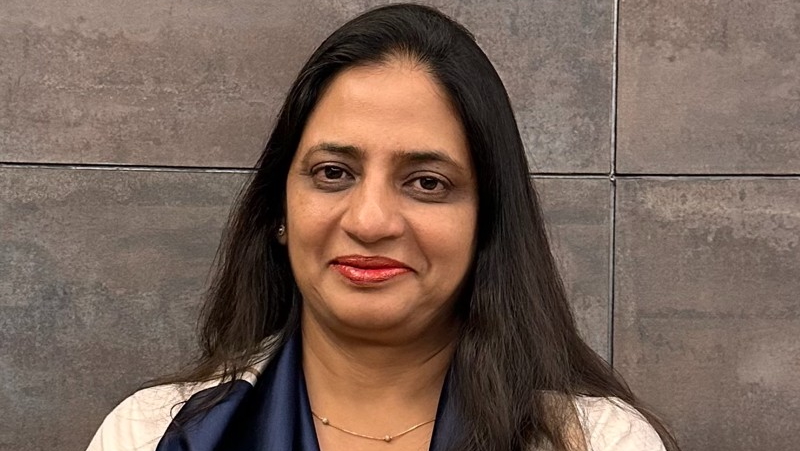
NEW DELHI: Puja Sethi is on the move again. After ten months as managing editor of Times Network Digital, she has announced her departure—the latest chapter in a career that has taken her through nearly every corner of Indian media since the turn of the millennium.
The move, described by Sethi as “difficult” and made “after much reflection”, ends a stint that began in March 2025. It continues a pattern of strategic pivots that have defined her professional trajectory. Her LinkedIn profile reads like a guided tour of India’s evolving digital media landscape: India TV (two-and-a-half years), Zee Entertainment (two years, seven months), myUpChar.com (one year, three months), Jagran New Media (six years, ten months in various roles).
Sethi’s career began in the early days of Indian private broadcasting, when she anchored programmes for All India Radio and Doordarshan as a freelancer. She was then scouted by Moving Pictures to present Subha Savere, billed as India’s first Hindi news breakfast show, before moving to “India This Week” as a political correspondent. By 2002, she had landed at Indiatimes, where she ran mobile content for short code 58888—India’s most widely subscribed text service at the time, back when people actually paid for SMS news alerts.
Print beckoned next. Sethi served as executive editor of two hyper-local newspapers, Neighbourhood Flash and Jagran Cityplus, launching 48 editions of the latter across Delhi, Mumbai, Bangalore, Hyderabad and Pune.

Then it was back online: editor of OnlyMyHealth.com, where she grew the user base to over 5 million, followed by a lengthy stint as digital head at Jagran New Media, managing content strategy and partnerships.
The vice-president role at myUpChar.com came in 2019, before she joined Zee Entertainment as group editor in April 2020, navigating the pandemic’s digital acceleration. By October 2022, she had moved to India TV, also as group editor. Three years later, Times Network came calling.
What next? Sethi, an English literature graduate from Lady Shri Ram College and a master’s from Miranda House, has not said. Her LinkedIn post speaks of “new challenges” and “the next chapter”—the standard language of career transitions, though given her track record, something substantial is likely brewing.
If there is a constant in Sethi’s career, it is adaptability. She has worked across radio, television, print, mobile content, online health portals, regional news networks and national broadcasters. She has launched products, grown audiences, managed teams and overseen digital strategies through multiple technological revolutions. Indian media’s evolution from analogue to digital, from SMS to social, from desktop to mobile—she has been there for all of it. Whether the next chapter involves another newsroom or something entirely different, it will likely reflect the same versatility that has marked her three decades in the business.





News Broadcasting
CNN-News18 to host Fury in the Gulf conclave on West Asia crisis
Three-hour summit to unpack geopolitical fallout and impact on India
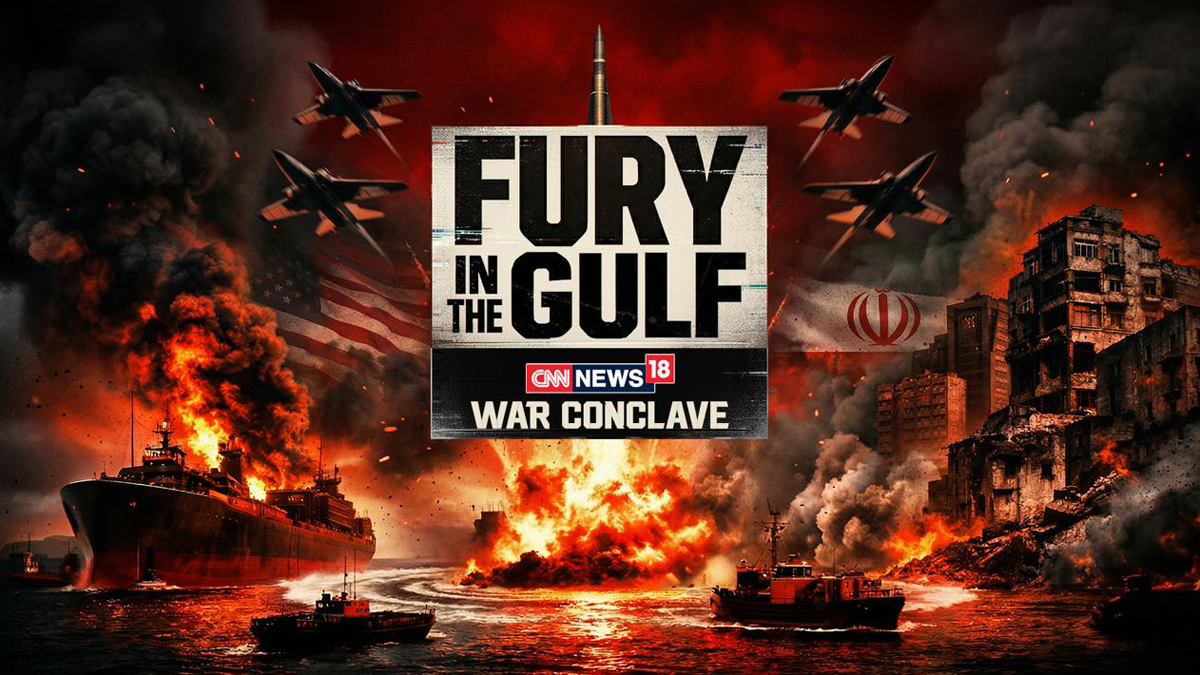
MUMBAI: CNN-News18 is set to host a special three-hour broadcast, Fury in the Gulf – War Conclave, on April 7, aiming to decode the escalating West Asia crisis and its far-reaching implications for India.
Scheduled from 4:00 PM to 7:00 PM, the conclave comes at a time when tensions between Iran and the United States are reshaping global geopolitics and triggering economic uncertainty. With India’s deep energy ties, trade links and large diaspora in the Gulf, the developments carry significant domestic relevance.
Built around the theme ‘Conflict, Consequences, and The Future,’ the programme will feature six curated sessions combining one-on-one interviews and panel discussions. The focus is to cut through the clutter and offer viewers a clearer understanding of the fast-evolving situation.
Key sessions include ‘Diplomacy in Times of War’ featuring Shashi Tharoor, and ‘World After the Iran Conflict’ with voices such as Ram Madhav, Reuven Azar, representatives from the European Union and the Iranian Deputy Envoy. Another session titled ‘Another Dunkirk?’ will bring together K. J. S. Dhillon and Jitin Prasada among others.
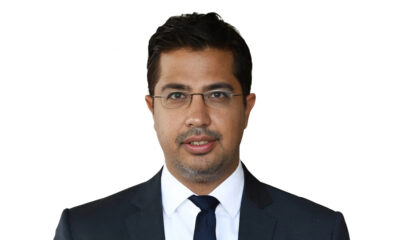
CNN-News18 editorial affairs director Rahul Shivshankar said, “In times of war, clarity becomes the most powerful tool. Fury in the Gulf – War Conclave brings together credible voices to address the questions and confusion that arise amid an overwhelming influx of information.”
He added that the initiative is aimed at delivering “facts, perspective, and insight” at a time when misinformation can easily cloud public understanding.
Echoing the sentiment, CNN-News18 CEO– English and business news Smriti Mehra said the conflict marks a defining global moment, with consequences that extend well beyond the region. She noted that the conclave seeks to present the crisis with “depth, nuance and responsibility” so audiences can better grasp its real-world impact.
As geopolitical tensions continue to dominate headlines, the conclave positions itself as an attempt to bring order to the noise, offering viewers a structured, insight-led look at a complex and rapidly shifting global situation.






