Gaming
Playful persuasion – Why games are the new playground for brands


In the modern entertainment landscape, a new empire has risen – one built not on bricks and mortar, but on pixels and play. Gaming has exploded into a cultural colossus, captivating billions across the globe. And amidst this digital renaissance, a new frontier beckons: the intersection of gaming and branding.
As gaming’s meteoric ascent reshapes the landscape, brands and advertising agencies are seizing the moment to craft immersive experiences and forge profound connections with audiences. The recent launch of Dentsu Gaming by Dentsu, a titan among advertising agencies, serves as a testament to this shift, marking a strategic pivot towards harnessing gaming as a potent platform for brand engagement. Joined by Havas with Havas Play and Omnicom with LevelUp OAC, these industry leaders epitomize a broader trend – brands swiftly reinventing their marketing strategies to unlock the transformative potential of gaming and cultivate deeper connections with consumers.
A global playground

The gaming industry, boasting over three billion active players globally, transcends demographics. Age, gender, and location are increasingly irrelevant, with gaming reaching a cultural crossroads. It dissolves language barriers and fosters unique connections, allowing people to bond, compete, and forge memories with friends and perfect strangers alike. This universality makes it a goldmine for advertisers.
Casual gamers, some of the most diverse demographics online, offer brands unparalleled granularity in targeting. Psychographic and behavioral data lets you tailor messages to resonate with specific player motivations and preferences. Whether it’s through in-game banners, native placements, or esports sponsorships, the avenues for brand integration are as diverse as the gamers themselves.
Luxury companies stand in queue
Even the realm of haute couture isn’t immune to the allure of gaming. Luxury titans, keenly aware of the burgeoning spending power wielded by millennial and Gen Z gamers, are forging strategic alliances with popular gaming titles. From Louis Vuitton’s coveted character skins in League of Legends to Gucci’s limited-edition esports watch co-created with Fnatic, these collaborations elevate product storytelling to new heights within the captivating gaming universe. Burberry’s designs for Tencent’s Honor of Kings further exemplifies this innovative marriage.
The rise of gaming influencers and the emergence of shoppable games within these virtual worlds promise a future brimming with fresh storytelling and revenue streams for the fashion industry.
Non-gaming apps want games too
In a quest to tap into the lucrative gaming market, non-gaming companies are strategically integrating games into their apps and websites. Bajaj Finserv (a one-stop finance app), ZEE5 (an OTT platform), and even Explurger (a social app for travellers), have all added dedicated gaming sections to their apps. This seemingly unorthodox strategy underscores the undeniable power of games to enhance user engagement.
At the heart of this approach lies HTML5, enabling seamless integration of casual games within apps and websites. According to a recent survey conducted by Gamezop, the provider of gaming solutions for the aforementioned, the incorporation of games leads to a notable 15-40 per cent increase in the time users spend on these apps. Put simply, casual games are proving to be instrumental in keeping users actively engaged within non-gaming platforms.
Borrowing game elements
For companies seeking an even deeper level of engagement, crafting bespoke mobile games or infusing existing platforms with gamification mechanics presents a golden opportunity. Imagine a loyalty program where points morph into power-ups for a custom-built mobile game, or a fitness app that showers users with virtual badges and rewards for conquering exercise milestones.
These gamified experiences seamlessly weave brand messaging directly into the fabric of gameplay, igniting a spark of excitement and a tangible sense of achievement. In this symbiotic relationship, marketing and entertainment converge to forge enduring connections with consumers in the ever-evolving digital landscape.
Future of playful persuasion
Gaming’s metamorphosis from a solitary pastime to a vibrant social hub represents a cultural evolution. The gaming industry has spurred companies to toss out their outdated marketing playbooks and embrace the irresistible allure of casual games and other forms of interactive content. An engaged and diverse audience, the seamless integration of games, and gamified experiences allow brands to craft meaningful connections with consumers in a fun and effective manner. The lines between gaming and marketing are blurring delightfully, and the future looks anything but serious – it looks playful, personalized, and brimming with innovative possibilities. Brands that fail to embrace the power of gaming risk missing out on a powerful new channel for engagement and growth.
The article has been authored by Gamezop co-founder Gaurav Agarwal.





Gaming
Konami concludes successful eFootball India campaign
Campaign featuring Rinku Singh, Varun Chakravarthy and other stars boosts engagement ahead of FIFA World Cup 2026.
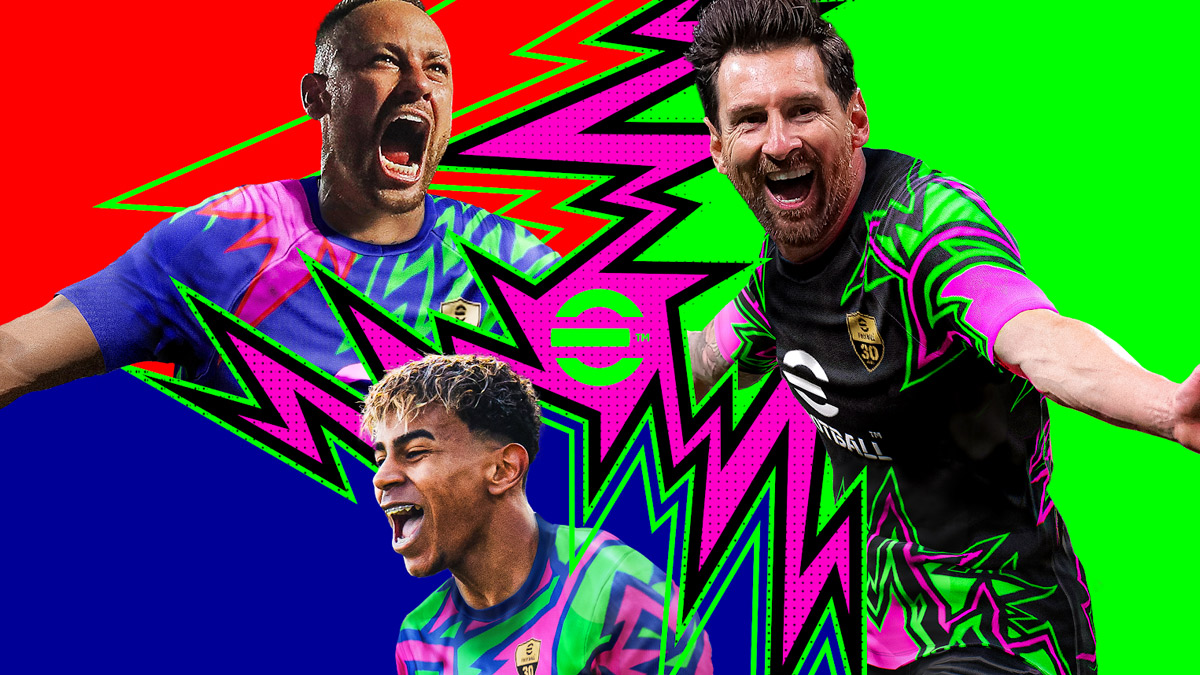
MUMBAI: When cricket meets football in the virtual world, even the biggest fans can’t help but score and Konami’s latest eFootball campaign in India has clearly hit the back of the net. Konami Digital Entertainment has successfully wrapped up its India campaign for eFootball, which brought together cricketers Rinku Singh and Varun Chakravarthy, actors Naslen Gafoor and Chandu Salim Kumar, and footballers Sahal Abdul Samad and Shubhasish Bose. The multi-star campaign generated strong excitement across gaming, football, and creator communities through social content, fan participation, and in-game engagement.
Building on the initial launch that featured a limited-time Lionel Messi card, the campaign united fan communities, lifestyle creators, football creators, and competitive eFootball influencers. It significantly expanded the game’s visibility and deepened engagement with fans across the country.
The campaign also saw thousands of entries submitted as part of its social media engagement challenge, reflecting high levels of community enthusiasm and active creator involvement.
Looking ahead, Konami plans to build on this momentum with more eFootball experiences for Indian fans as the FIFA World Cup 2026 approaches. With global attention on the tournament set to rise, India will remain a key market for deepening community engagement and bringing fans closer to the action.
In a country that lives and breathes sport, Konami has shown that mixing real-world stars with virtual thrills is a winning formula leaving fans eagerly waiting for the next goal.






