iWorld
Piracy, LaLiga, BCCI and the Indian government

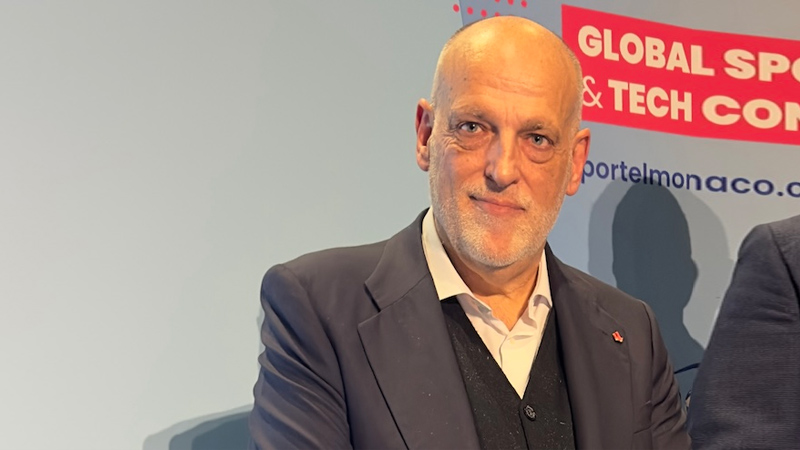
MUMBAI: LaLiga president Javier Tebas said he is prepared to collaborate with the Board of Control for Cricket in India (BCCI) to stamp out piracy of sports broadcast and streaming signals in Europe and all over the world. Speaking at sports and tech conference Sportel Monaco 2024 on 29 October during a keynote address he addressed his pet subject for the past few years once again: piracy and how big tech is aiding in its spread.
He pointed that piracy – especially illegal internet streaming – is causing huge losses to sports federations, broadcasters, and advertisers with the LaLiga alone losing around Euros 700 million each season.
His belief is that big tech companies like Google, Cloudflare, X, are actually benefiting from piracy. (He has raised his voice against Google in the past on several forums but he expanded the responsibility towards X and Cloudflare in his latest address during Sportel Monaco.)

He explained that Google is making money through searches online and on android phones through its ads that pop up during searches for pirated sites by viewers. Downloads of illegitimate apps on its Playstore give it oodles of money. It has no mechanism – either reactive or otherwise – to tackle piracy.
Cloudflare is profiting by providing reverse proxy services to pirates and more than 50 per cent of rogue sites are behind it. What’s alarming according to him is that 70 per cent of delisted content by Google is behind a Cloudflare IP.

X, he highlighted, is monetising through advertising on pirated streams and has been delaying enforcement by not providing automatic content detection. It does not have a content moderation team, neither is it blocking illegal content on its platform.
He appealed to sports federations to come together and raise their voices against big tech. In this regard he extended his hand towards the BCCI welcoming it to come and be a part of the anti-piracy campaign.
“After football, cricket has a large fan base globally and revenue leakages through piracy could be reduced by making the tech companies culpable,” he said. “The federations, accompanied by the broadcasters, need to lobby with governments to put in place the proper legislation.”
Tebas requested governments world over to pass legislation that would force big tech companies to clamp down on piracy. For the “how of doing it,” he said, they can turn to Argentina where a federal court ordered Google to block the download and use of a pirate platform Magis TV. Prior to this, Google had cited its inability to block the android application from being downloaded, but then it was forced to.
“We need hard measures to be put in place.If we have to stand a chance of reducing the menace of piracy, ” said Tebas in closing.







iWorld
OpenAI hits back at Elon Musk’s lawsuit ahead of trial
Company calls claims “baseless” and accuses Musk of trying to disrupt a rival.
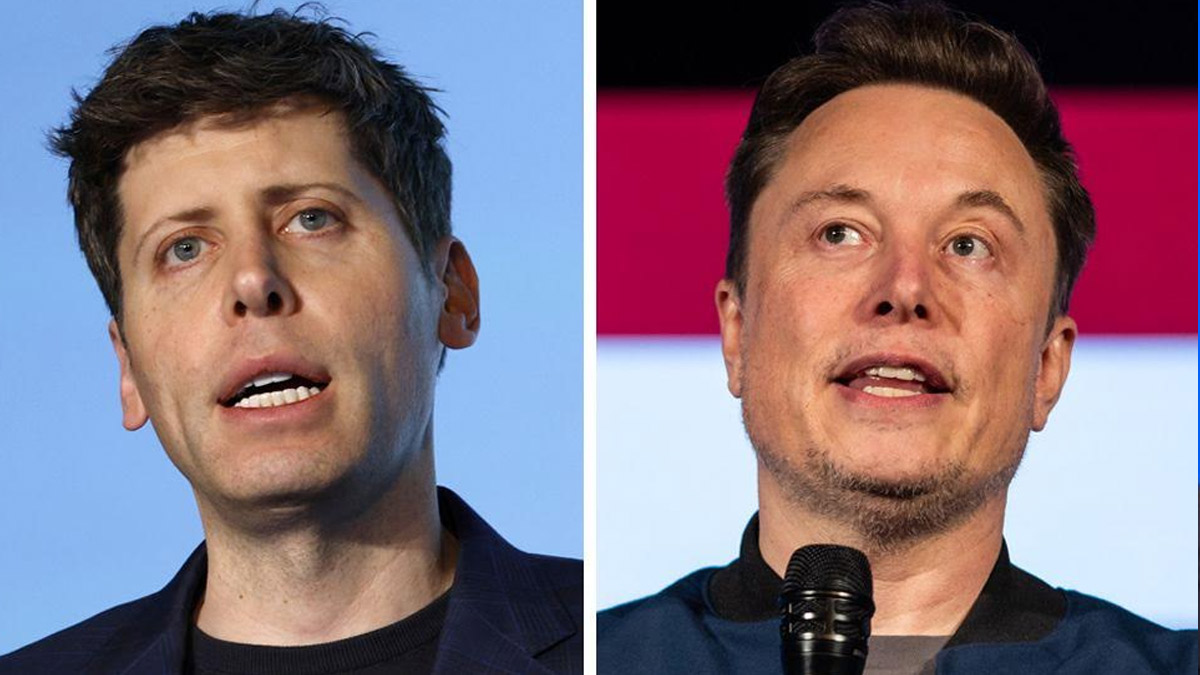
MUMBAI: When the stakes are measured in billions and egos are involved, even Silicon Valley titans can turn a courtroom into a battlefield. OpenAI has issued a sharp public response to Elon Musk’s ongoing lawsuit, accusing the billionaire of filing the case to harass a competitor rather than address genuine concerns. In a strongly worded statement shared on its official X account, OpenAI described Musk’s allegations as “baseless” and suggested the lawsuit is an attempt to disrupt the company as the case heads toward trial later this month in Oakland, California.
The response comes after Musk’s legal team recently amended the complaint, proposing that any damages potentially exceeding $150 billion should go to OpenAI’s nonprofit entity rather than to Musk personally. OpenAI questioned the timing and motive behind this change, calling it a late-stage attempt to “pretend to change his tune” on the nonprofit structure.
The company further labelled the lawsuit a “harassment campaign”, arguing that Musk’s actions are driven by personal rivalry, ego, and a desire for greater control and financial upside.
At the heart of the dispute is Musk’s claim that OpenAI has abandoned its original nonprofit mission of developing artificial intelligence for the benefit of humanity. A co-founder who left in 2018, Musk is seeking governance changes, including the removal of CEO Sam Altman from the nonprofit board, and the return of certain financial gains linked to Altman and President Greg Brockman.
OpenAI has firmly rejected these allegations, maintaining that its current hybrid structure, a public-benefit corporation overseen by a nonprofit parent remains true to its long-term goals. The company has also previously accused Musk of anti-competitive behaviour aimed at weakening its leadership.
As the case prepares for a jury trial, this public exchange highlights the deepening rift between two of the most influential figures in the AI revolution and raises broader questions about governance, mission, and power in the fast-moving world of artificial intelligence.
In the high-stakes game of AI, it seems the real drama isn’t just inside the models, it’s playing out in courtrooms too.






